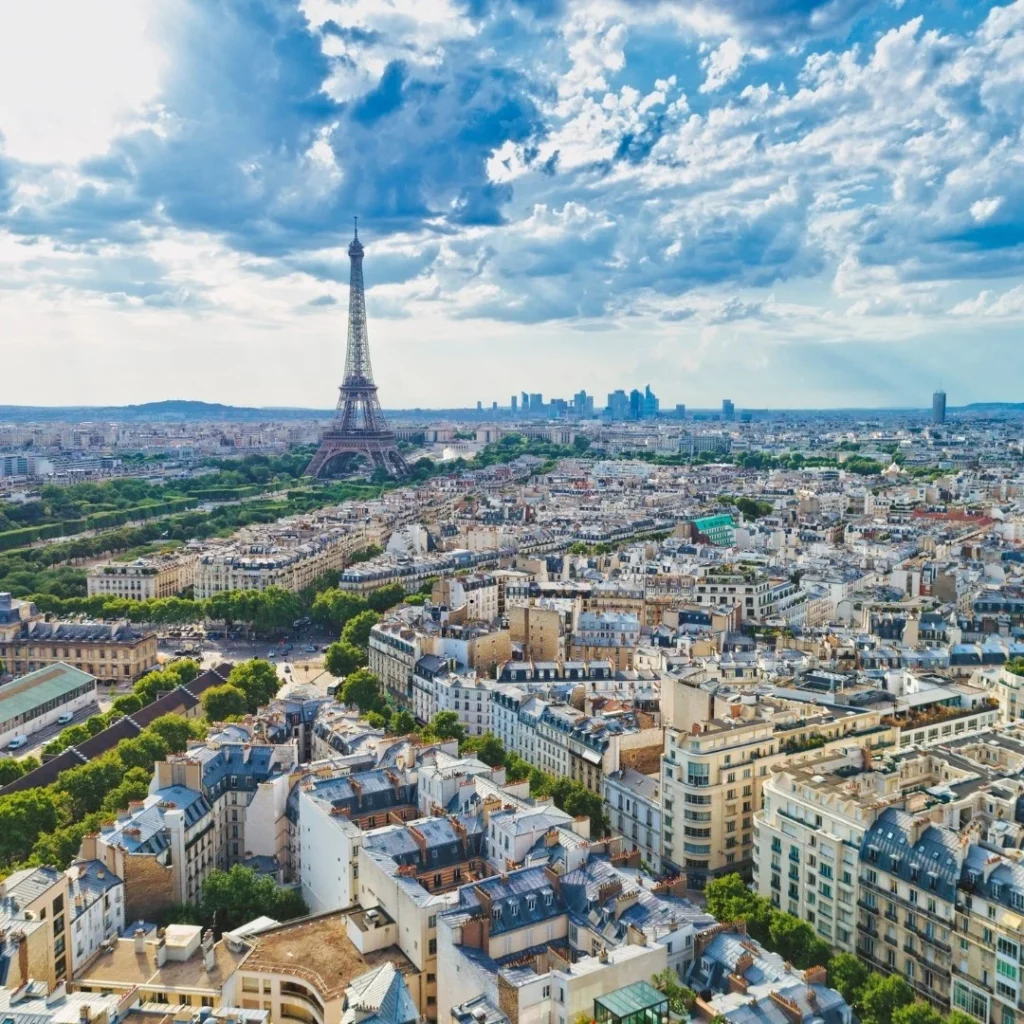
Why Is Paris Called the City of Light? Meaning, History and Best Night Views
Paris is a stunning city, brimming with timeless beauty, historical architecture, and rich culture, that entices visitors with its quote-worthy romantic charm. From the iconic Eiffel Tower that twinkles at the top of every hour to the romantic Seine River where couples can enjoy romantic dinner cruises, there’s much to explore in this stunning city.
One thing that many people don’t know about Paris, though, is why exactly it is nicknamed the City of Light, or Ville Lumière in French. To uncover this aspect of Parisian culture, as well as some romantic ways to experience the city of light, let’s take a dive into its history, cultural influence, and dazzling illuminations.
So, Why Is Paris Called the City of Light?
Paris is called the City of Light for more than one reason, and that is what makes the nickname so interesting. Part of it comes from the city’s role during the Age of Enlightenment, when Paris became one of Europe’s great centers for ideas, philosophy, science, writing, and culture.
The other reason is more literal. Paris was one of the early major European cities to light its streets at night, starting with public lanterns in the 17th century and later expanding with gas lighting in the 19th century. So, the nickname is not only about the way Paris glows after dark. It also reflects the “light” of knowledge, beauty, progress, and imagination that has long been linked with the city.
The Origins of Paris as the “City of Light”
There are multiple reasons Paris became known as the city of light, from illuminating ideas by great philosophers to literal artificial light sources being placed throughout the city. Let’s look at the main reasons Paris became known as the City of Light.
Philosophy and Revolutionary Ideas
The name La Ville Lumière became closely linked with Paris during the Age of Enlightenment. At that time, the city attracted philosophers, writers, scientists, artists, and creative thinkers who helped shape new ideas across Europe. Notable philosophers, including Voltaire and Rousseau, were popular figures at this time, and thanks to them, Paris became a notable destination for knowledge and progress.
Street Lamps
The nickname “city of light” also has a more practical origin, giving it somewhat of a dual meaning. In 1667, Paris became one of the first cities in the world to install street lights, with thousands of lanterns being placed along the streets, across bridges and around squares to help improve safety and reduce crime rates.
Artificial Lighting
Beyond these historical reasons, Paris has continued to uphold its nickname as “the city of light” thanks to being a pioneer in gas street lighting in the 19th century.
In 1889, the world was introduced to the Eiffel Tower during the World’s Fair. It quickly became one of the most famous landmarks in Paris and a symbol of the city’s engineering, creativity, and modern spirit. In 1910, the Paris Motor Show witnessed the first public display of neon lighting, further solidifying Paris as being synonymous with illumination.
The Eiffel Tower Sparkles at Night
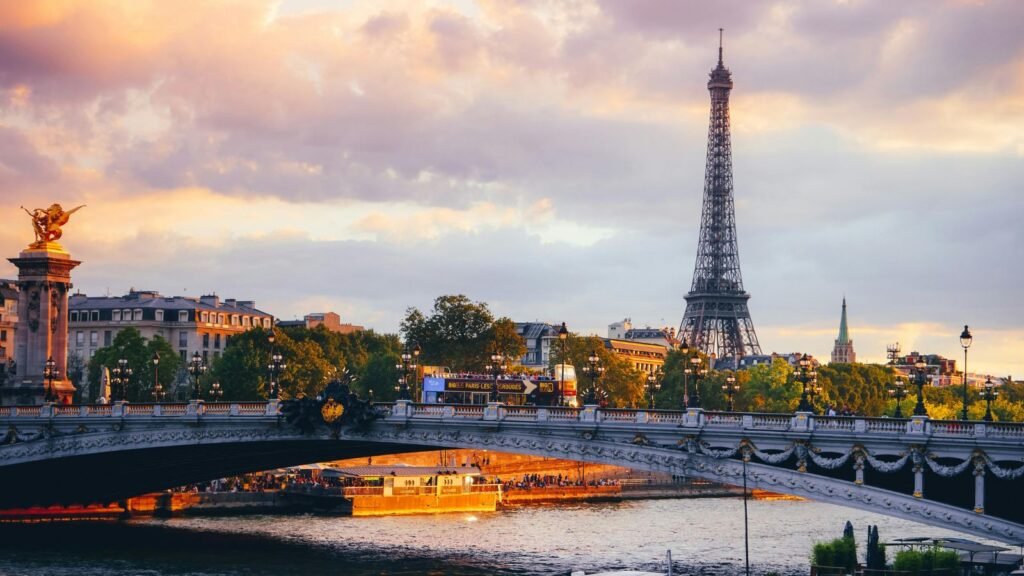
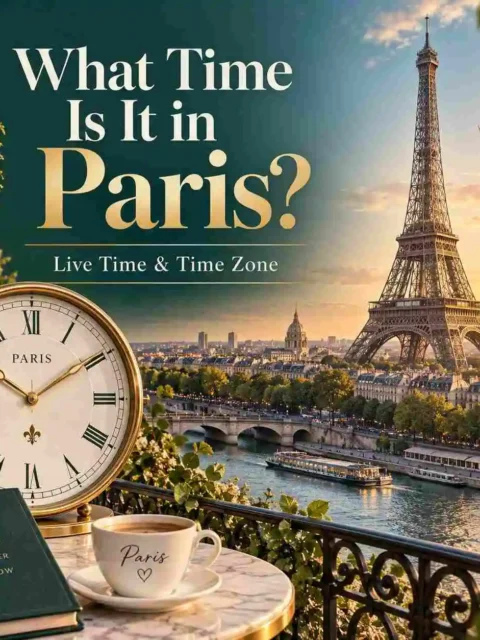
When you think of Paris as the City of light, one of the first things that comes to mind is the way that the Eiffel Tower sparkles with lights at the top of every hour.
When the Eiffel Tower opened for the 1889 World’s Fair, it quickly became one of the most powerful symbols of Paris. Over time, its lighting changed from simple illumination to the golden glow and sparkling display that visitors love today.
It is typically viewed from Jardins du Trocadéro, one of the best parks in the city for an Eiffel Tower view at night. This open space is especially ideal for families, as it allows parents to enjoy the illumination while the little ones have room to roam, just one of many fantastic things to do in Paris with kids.
That said, it’s not just the Eiffel Tower that sparkles. Other stunning landmarks that are popular on Paris itineraries also light up, including the Avenue des Champs-Élysées, Sacré-Cœur Basilica, and the famous Notre-Dame Cathedral.
A Simple Timeline of How Paris Became the City of Light
The story becomes easier to understand when you look at how Paris changed over time. The nickname did not come from one single moment. It slowly grew from the city’s history, ideas, streets, and glowing landmarks.
- 1667: Paris began adding thousands of street lanterns to make its streets safer and easier to walk through after dark.
- 18th century: The city became one of the great centers of Enlightenment thought, where writers, philosophers, artists, and scientists helped shape new ideas.
- 19th century: Gas lighting spread across Paris, making its streets, squares, and boulevards brighter at night.
- 1889: The Eiffel Tower opened for the World’s Fair and became a bold symbol of Parisian engineering and modern imagination.
- 20th century onward: Electric lights, glowing monuments, river reflections, shopfronts, and the Eiffel Tower sparkle helped keep the City of Light nickname alive for travelers.
Is It City of Light or City of Lights?
The more traditional nickname is City of Light, although many travelers also say City of Lights. Both are easy to understand, but “City of Light” is closer to the French phrase La Ville Lumière.
The singular “light” actually makes sense because the nickname is not only about lamps, glowing streets, or the Eiffel Tower sparkle. It also points to the light of ideas, learning, culture, and progress that made Paris famous during the Enlightenment.
When people say “City of Lights,” they are usually thinking more about the Paris we see at night: illuminated bridges, warm café windows, glowing monuments, and the soft sparkle of the Eiffel Tower. That version is not wrong in everyday travel language, but “City of Light” carries the deeper meaning behind the nickname.
Is Paris the City of Lights or Love?
Paris is known by both nicknames, but they describe different sides of the city. The City of Light is more closely connected to Paris’ history, culture, Enlightenment ideas, street lighting, and illuminated landmarks.
The City of Love, on the other hand, is the nickname many travelers use when they think about romantic walks by the Seine, charming cafés, elegant gardens, beautiful architecture, and dreamy views of the Eiffel Tower.
So, Paris does not have to be one or the other. The City of Light explains its history and brilliance, while the City of Love captures the romantic feeling many visitors experience when they arrive.
Does Paris Have Other Nicknames Besides the City of Light?
Yes, Paris has several other nicknames, although the City of Light is the most famous one. The city is also widely known as the City of Love because of its romantic streets, cafés, gardens, river views, and long connection with art and poetry.
You may also hear Paris called the fashion capital of the world, the capital of art, or simply the capital of France. Still, the City of Light remains the nickname that best connects Paris with its history, culture, glowing streets, and timeless beauty.
Where to Experience the City of Light in Paris
The nickname may come from history, but you can still feel it when you walk through Paris after sunset. Some places show the city’s glow better than others, especially if you are visiting for the first time.
1. Trocadéro for the Eiffel Tower Sparkle
Trocadéro is one of the classic places to watch the Eiffel Tower light up. The tower sparkles for five minutes at the beginning of each hour after nightfall, so it is worth arriving a little early and enjoying the view without rushing.
2. The Seine River at Night
The Seine is one of the loveliest places to understand why Paris feels so luminous. Bridges, boats, riverbanks, and historic buildings all reflect light in a way that makes an evening walk feel calm, romantic, and very Parisian.
3. The Louvre and Tuileries Area
The area around the Louvre, the glass pyramid, and the Tuileries gives you a softer side of the City of Light. It is less about sparkle and more about the warm glow of architecture, open spaces, and quiet evening walks.
4. Montmartre and Sacré-Cœur
Montmartre gives you a higher view of Paris, especially near Sacré-Cœur. From there, you can see the city lights spread across the skyline while still enjoying the old village-like charm of the neighborhood.
Is Paris the Only City of Light?
Paris has the most famous claim to the City of Light nickname, but it is not the only place associated with light. Other cities, such as Las Vegas in the United States and Lyon in France, are also known for bright lights, festivals, or illuminated streets.
Still, Paris remains the city most strongly connected with the nickname because its meaning goes beyond night views. It brings together Enlightenment history, early street lighting, glowing landmarks, art, culture, and the timeless beauty travelers still come to see today.
Final Thoughts
Paris is called the City of Light because the nickname carries two beautiful meanings. It reflects the city’s role as a center of ideas, art, science, writing, and culture, but it also points to the real history of street lighting, glowing boulevards, gas lamps, electric lights, and illuminated landmarks.
That is why the name still feels right today. Whether you are standing by the Seine, watching the Eiffel Tower sparkle, or walking through softly lit streets, Paris does not just look bright. It feels bright with history, beauty, and imagination.
FAQs About Paris as the City of Light
Paris is called the City of Light because it was a major center of Enlightenment ideas and one of the early European cities to develop widespread street lighting. The nickname refers to both intellectual light and the real glow of the city at night.
City of Light is the more traditional form because it is closer to the French phrase La Ville Lumière. City of Lights is also commonly used by travelers, especially when they are talking about Paris at night.
Yes, Paris is also called the City of Love. That nickname comes from its romantic streets, cafés, gardens, river views, architecture, and long connection with art, poetry, fashion, and couples’ travel.
The nickname developed over time. It is connected to 17th-century street lighting, the 18th-century Age of Enlightenment, and the 19th-century spread of gas lighting across Paris.
Trocadéro is one of the best places to see the Eiffel Tower sparkle. The Seine River, Louvre area, Montmartre, and Champs-Élysées are also beautiful places to experience Paris as the City of Light.