When Is the Best Time to Visit Paris? Your Month-by-Month Guide to the City of Light
The best time to visit Paris for most travelers is late April through May or mid-September through early October. These periods usually make walking, parks, river cruises and outdoor cafés more comfortable, without the strongest midsummer heat. Still, the right month depends on whether you care most about weather, prices, crowds, events or festive atmosphere.
The Short Answer
For most travelers, the best time to visit Paris is late April through May or mid-September through early October. You get mild walking weather, greener parks or autumn color, and fewer heat-related problems than in midsummer. January, February and November are better for lower prices, while December suits festive trips.
May may suit a first-time visitor who wants gardens and long sightseeing days. January can work better for someone planning museums, cafés and a quieter trip. In this guide, I’ll compare all 12 months by weather, crowd pressure, seasonal costs and the experiences each period handles best.
The weather figures below are long-term averages, not forecasts. Paris can still have a cool spring week, a summer heatwave, a wet autumn spell or an unusually mild winter.
August 2026 Planning Note
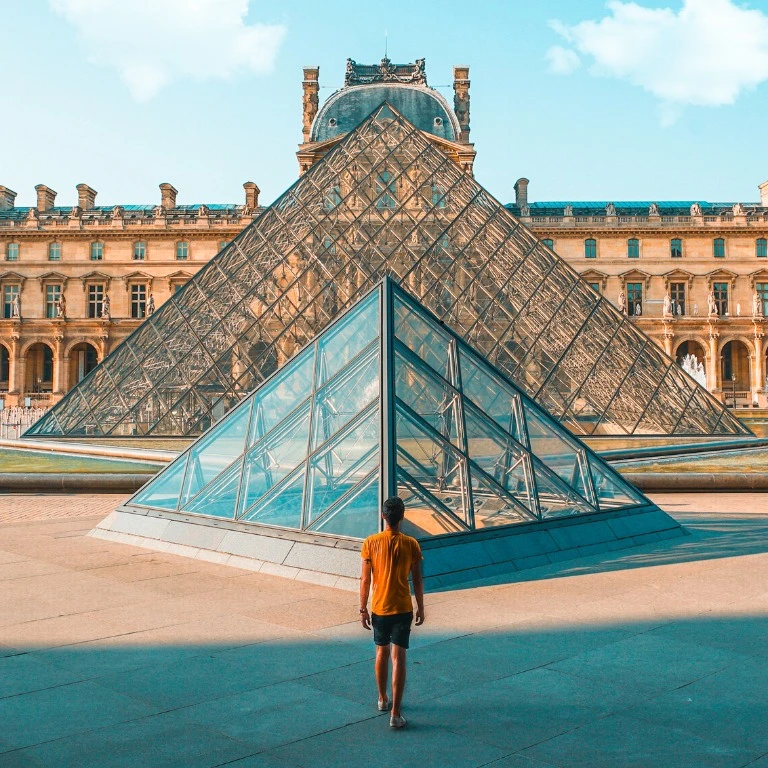
The Louvre requires advance reservations for almost all visitors through 31 August 2026. Summer maintenance can also affect Metro and RER services, so check the Louvre reservation notice and RATP traffic updates shortly before your visit.
Best Time to Visit Paris at a Glance

| Travel Priority | Best Time | Why It Works | Main Trade-Off |
|---|---|---|---|
| Best overall | Late April–May or mid-September–early October | Comfortable walking weather and a good mix of indoor and outdoor activities | Popular dates can still be expensive and busy |
| Best weather | May, June or September | Mild to warm temperatures with useful daylight | Rain and occasional hot spells remain possible |
| Lower seasonal prices | January, February or November | Better chance of lower hotel rates outside holidays and major events | Colder weather and shorter days |
| Fewer tourists | January, February or November | Less pressure on some streets, hotels and attractions | Major museums can still be busy |
| Gardens and blossoms | April and May | Spring flowers, greener parks and comfortable walks | Changeable weather and holiday weekends |
| Long summer evenings | June and July | Late sunsets, festivals, terraces and riverfront activity | Crowds, heat and higher prices |
| Autumn photography | October | Changing leaves, softer light and a busy cultural calendar | Cooler, wetter and shorter days |
| Christmas atmosphere | Late November–December | Illuminations, decorated shops and seasonal events | Holiday prices, closures and limited daylight |
The best month depends on the type of Paris trip you want, not weather alone.
Paris Weather, Crowds and Costs by Month
The climate figures below come from the official Paris tourism office weather guide, updated in July 2026. Rainfall is the average monthly total, not the number of rainy days in Paris.
Crowd and cost levels are Wanderlust Craze editorial assessments. They can change quickly around Fashion Week, school holidays, trade fairs, public holidays and major sporting events.
If weather is your main concern, our guide to weather in Paris by month goes deeper into temperatures, rainfall and typical conditions across all 12 months.
| Month | Average Low–High | Rainfall | Crowds | Cost Pressure | Best For | Main Concern |
|---|---|---|---|---|---|---|
| January | 3.2–7.6°C / 38–46°F | 47.6 mm | Low | Low–medium | Museums, winter sales and quieter sightseeing | Cold, damp weather and short days |
| February | 3.3–8.8°C / 38–48°F | 41.8 mm | Low–medium | Low–medium | Museums, couples and winter value | Cold conditions and Valentine’s demand |
| March | 5.6–12.8°C / 42–55°F | 45.2 mm | Medium | Medium | Early spring and museum-heavy trips | Fast temperature changes |
| April | 7.9–16.6°C / 46–62°F | 45.8 mm | Medium–high | Medium–high | Blossoms, parks and first-time visits | Showers, school holidays and marathon disruption |
| May | 11.1–20.2°C / 52–68°F | 69.0 mm | High | High | Gardens and comfortable outdoor sightseeing | Public holidays and Roland-Garros demand |
| June | 14.2–23.4°C / 58–74°F | 51.3 mm | High | High | Long evenings and outdoor events | Busy attractions and possible hot spells |
| July | 16.2–25.7°C / 61–78°F | 59.4 mm | Very high | High | Festivals, long days and evening activities | Heatwaves, queues and event restrictions |
| August | 16.0–25.6°C / 61–78°F | 58.0 mm | High at major sights | Medium–high | Summer programs and relaxed evenings | Heat and selected business closures |
| September | 13.0–21.5°C / 55–71°F | 44.7 mm | High | High | Balanced weather and cultural trips | Fashion Week and strong hotel demand |
| October | 9.9–16.5°C / 50–62°F | 55.2 mm | Medium–high | Medium–high | Foliage, photography and exhibitions | Rain and rapidly shortening days |
| November | 6.2–11.1°C / 43–52°F | 54.3 mm | Low–medium | Low–medium | Museums, cafés and lower-season travel | Gray weather and limited daylight |
| December | 3.8–8.0°C / 39–46°F | 62.0 mm | High around holidays | High around holidays | Christmas lights and festive trips | Short days, holiday prices and closures |
Temperature and rainfall figures are long-term monthly averages for Paris.
What Is the Best Month to Visit Paris?
May and September are the strongest all-round choices for many first-time visitors. Both usually give you comfortable walking conditions, enough daylight for a full day and an easy mix of museums, neighborhoods, parks and evening plans.
May is better for spring gardens and greener parks. September often feels less physically tiring than July, although it is still a popular month and hotel prices can rise around business events and Paris Fashion Week.
For a narrower sweet spot, look at late April to mid-May or mid-September to early October. These windows avoid some of the hottest summer conditions while keeping outdoor sightseeing realistic.
Do not expect empty attractions or automatic bargains. Paris stays busy throughout the year, and famous sights still need planning in the quieter months.
Best Time to Visit Paris by Travel Style
| Traveler | Recommended Period | Why It Works | What to Watch |
|---|---|---|---|
| First-time visitors | Late April–May or September | Good for a mixed indoor and outdoor itinerary | Higher demand and advance-booking pressure |
| Budget travelers | January, February or November | Better chance of lower rates outside special dates | Cold weather and shorter sightseeing days |
| Couples | May, October or early December | Gardens, autumn atmosphere or festive lights | Valentine’s Day and December weekends can be expensive |
| Families | Late May, June or early September | Longer days and more outdoor flexibility | School holidays and summer queues |
| Museum-focused travelers | November–February | Cold weather makes indoor planning feel natural | Holiday closures and popular exhibitions |
| Photographers | April, October or early December | Blossoms, foliage or seasonal lights | Rain and limited winter daylight |
| Nightlife and events | June–July or September–October | Festivals, longer evenings and cultural programs | Crowds and event-driven accommodation prices |
Families can use our guide to the best things to do in Paris with kids. Couples may also find seasonal ideas in our guide to romantic things to do in Paris.
Paris in Spring: March to May
Spring is one of the loveliest times to visit Paris, but it is not consistently warm or dry. Temperatures rise quickly between March and May, while cool mornings and passing showers remain part of the picture.
This season works especially well for gardens, neighborhood walks and outdoor cafés before midsummer heat arrives. Our guide to the best parks and gardens in Paris can help you choose where to spend a clear afternoon.
Paris in March
March is a transition month. Average temperatures run from about 5.6°C to 12.8°C, but one mild afternoon can be followed by a cold and windy morning.
Crowds are often easier than in late spring, which makes March useful for museum visits and travelers who do not mind carrying layers. Gardens begin changing, but you should not expect full bloom throughout the month.
Choose March if: You want early-spring conditions and can accept unpredictable weather.
Think twice if: Warm evenings and fully developed gardens are central to your trip.
Paris in April
April brings longer days, greener parks and average temperatures of roughly 7.9°C to 16.6°C. It can be one of the prettiest months, especially when blossoms appear around the city’s gardens.
It is not automatically quiet. The Paris Marathon, Easter travel and school holidays can add demand or affect roads and public spaces. Pack a light waterproof layer and avoid building a schedule that depends on a completely dry day.
Choose April if: You want spring scenery and do not mind carrying an umbrella.
Think twice if: You expect low-season prices or guaranteed warmth.
Paris in May
May is one of the easiest months for a first Paris trip. Average temperatures rise to about 11.1°C to 20.2°C, making long walks, river cruises, parks and terrace meals more comfortable.
That also makes May a particularly good time for rooftop dining in Paris, especially since many terraces operate seasonally.
It is also busy. France has several public holidays in May, and long weekends can increase domestic travel. Roland-Garros normally runs from the second half of May into early June, adding demand in western Paris.
Check attraction calendars carefully around public holidays. The Louvre, for example, closes on 1 May, as well as 1 January and 25 December.
Choose May if: Weather comfort and outdoor sightseeing matter more than finding the lowest price.
Think twice if: Your dates overlap with public holidays or a major sporting event and your budget is fixed.
Paris in Summer: June to August
Summer brings the longest days and the fullest outdoor calendar. It also brings heavy visitor pressure and the possibility of heatwaves that feel much hotter than the monthly averages suggest.
Many older hotels and apartments do not have strong air conditioning. Check the room details before booking in July or August, especially when heat affects your sleep.
Paris in June
June combines average temperatures of about 14.2°C to 23.4°C with long daylight hours. It is a strong month for walking beside the Seine, eating outdoors, visiting parks and staying out later.
Fête de la Musique takes place on 21 June, filling streets and public spaces with free performances. Roland-Garros may also continue into early June, depending on the year.
June is not a hidden shoulder month. Popular hotels and timed attractions can sell out well ahead.
Choose June if: Long days and outdoor activities are your highest priorities.
Think twice if: You want quiet landmarks or low accommodation rates.
Paris in July
July is energetic, crowded and event-heavy. Average temperatures run from about 16.2°C to 25.7°C, but hot spells can make outdoor queues, exposed walking routes and rooms without air conditioning uncomfortable.
France’s National Day is 14 July. Concerts, fireworks and security arrangements can affect travel around 13–14 July, and the exact schedule can change by year. The Tour de France may also finish in Paris later in the month, creating road restrictions around the final route.
Build at least one indoor alternative into each day. Our guide to free things to do in Paris can also help with parks, walks, viewpoints and lower-cost breaks between reserved attractions.
Choose July if: You enjoy festivals, busy streets and long summer evenings.
Think twice if: Heat, queues and road restrictions quickly reduce your enjoyment.
Paris in August
August is often misunderstood. Some residents leave the city for annual holidays, and selected independent restaurants or shops close. At the same time, the Eiffel Tower, Louvre, Montmartre and other major sights remain busy with international visitors.
The city does not shut down. Museums, monuments, hotels, river cruises and major visitor services continue operating, although you should check any small restaurant, bakery or boutique that is essential to your plans.
Heat remains possible, and summer maintenance can affect Metro or RER services. Check official transport updates shortly before travel. For evening ideas after the temperature drops, see our guide to Paris at night.
Choose August if: Your plans center on major attractions, summer programs and relaxed evenings.
Think twice if: A long list of specific independent businesses is essential to your trip.
Paris in Autumn: September to November
Autumn starts with warm, popular travel conditions and ends with a quieter, colder city. September still behaves like a high-demand month, while November has more of the low-season feel many travelers expect.
Paris in September
September is one of the best months to visit Paris, with average temperatures around 13°C to 21.5°C. Warm afternoons remain possible, while evenings become easier for long walks.
Do not assume September is cheap. Cultural programming returns, business travel increases and Paris Fashion Week can put pressure on hotels, restaurants and transport in selected districts.
This is a strong month for a balanced Paris itinerary that combines major landmarks, neighborhoods, parks and evening plans.
Choose September if: You want summer-like usability without the strongest midsummer heat.
Think twice if: Your main goal is finding low-season hotel prices.
Paris in October
October brings cooler temperatures, changing leaves and a busy exhibition calendar. Average conditions range from about 9.9°C to 16.5°C, with rain and chilly evenings becoming more common.
Paris also shifts back from summer time to standard time during this part of the year, so it is useful to understand how the Paris time zone changes seasonally when planning early-morning or evening activities.
It is one of the best months for seasonal photography in Luxembourg Gardens, the Tuileries, Parc des Buttes-Chaumont and along the Seine. Our guide to the most photogenic places in Paris can help you choose locations that work well in autumn light.
The Fête des Vendanges de Montmartre usually brings several days of celebrations to the hill and surrounding streets. Dates change each year, so check the official Paris events calendar before booking around it.
Choose October if: You prefer autumn atmosphere, culture and moderate crowd levels.
Think twice if: Long daylight and reliably warm evenings are essential.
Paris in November
November is cooler, darker and generally quieter than September or October. Average temperatures run from about 6.2°C to 11.1°C.
It suits travelers who prioritize museums, cafés, covered passages and temporary exhibitions. Outdoor plans remain possible, but it helps to keep a weatherproof alternative ready each day.
Christmas decorations begin appearing during the second half of the month, creating a useful middle ground between lower-season travel and December festivities.
Choose November if: You want culture, lower crowd pressure and do not mind gray weather.
Think twice if: Parks, picnics and long outdoor evenings define your ideal Paris trip.
Paris in Winter: December to February
Paris in winter is cold, often damp and much darker than spring or summer. It is also useful for museum-focused itineraries, cafés, shopping and lower seasonal prices outside Christmas, New Year, Valentine’s Day and major fashion events.
Snow is possible, but lasting accumulation is uncommon. Our full guide explains when it snows in Paris and what winter weather may mean for your plans.
Paris in December
December suits travelers who care most about lights, decorated department stores, festive events and seasonal atmosphere. Average temperatures range from about 3.8°C to 8°C.
The city becomes more expensive and crowded around Christmas and New Year. Daylight is limited, so schedule outdoor landmarks earlier and use the evening for illuminations, covered passages, performances or dinner.
Check holiday opening hours. The Louvre closes on 25 December and 1 January, while other attractions follow their own calendars.
Choose December if: Festive atmosphere matters more than low prices or long sightseeing days.
Think twice if: You want a quiet and inexpensive break during the main holiday period.
Paris in January
January is one of the coldest and quietest months, with average temperatures around 3.2°C to 7.6°C. After New Year, travelers often have a better chance of finding lower accommodation rates than in spring or summer.
Winter sales may interest shoppers, while museums and restaurants provide an easy escape from poor weather. Fashion events can still create local demand, so check your dates before assuming every January stay will be inexpensive.
Choose January if: You prioritize museums, shopping and lower-season travel.
Think twice if: Short days and cold outdoor queues would strongly affect your trip.
Paris in February
February remains cold, with average temperatures of about 3.3°C to 8.8°C, but daylight slowly begins to improve. It can offer good value outside school holidays, Valentine’s Day and major events.
It works well for couples who prefer indoor dining and museums, but Paris is not a guaranteed winter wonderland. Rain, cloud and damp pavements are more common than lasting snow.
Choose February if: You want a quieter cultural break with gradually improving daylight.
Think twice if: Your dates overlap with Valentine’s weekend and saving money is the main goal.
Peak, Shoulder and Low Season in Paris
Peak Season
Paris’s strongest leisure demand generally runs from late spring through summer, with another busy period in September. Christmas and New Year create a shorter winter peak.
Peak season usually means:
- higher accommodation prices and less room choice;
- longer queues at famous attractions;
- greater need for timed reservations;
- busier river cruises and popular restaurants;
- more events, but less room for spontaneity.
Shoulder Season
March, April, early May and October can behave like shoulder periods, although events and school holidays complicate the label. September is often called shoulder season, but its popularity and business calendar can make it feel closer to peak season.
Low Season
January, February and November usually show the clearest low-season pattern. Lower demand does not mean an empty city, and popular museums can still fill up during exhibitions, weekends and holidays.
What Is the Cheapest Time to Visit Paris?
January, February and November usually give you the best chance of finding lower accommodation rates, especially outside holidays, Fashion Week and major trade fairs.
Prices can still rise during:
- New Year;
- Valentine’s Day;
- Fashion Week;
- school holidays;
- large exhibitions and trade fairs;
- December weekends and Christmas.
Compare the whole trip, not the room rate alone. A cheaper hotel far from the places you want to visit may cost you more in transport and usable sightseeing time.
Use our guide to where to stay in Paris before choosing a lower-priced room in an unfamiliar area.
When Is Paris Least Crowded?
January, February and November are generally among the least crowded periods for leisure travel. Early weekday mornings and late museum openings can reduce pressure further, whatever month you choose.
Fewer tourists do not remove every queue. Security checks, timed-entry systems, school groups, temporary exhibitions and weekend visitors can keep major attractions busy.
Travelers who dislike crowds but want milder weather should consider March or late October rather than expecting May or September to feel quiet.
Quieter months also make it easier to spend time at some of the city’s lesser-known Paris attractions without rushing between the headline landmarks.
When Should You Avoid Paris?
There is no universally bad month, but some periods are a poor match for particular travelers:
- Avoid July or August when heat, heavy tourism and crowded landmarks are major concerns.
- Avoid late May and early June when you are not attending Roland-Garros and need a hotel in western Paris on a strict budget.
- Avoid the second half of December when your goal is a cheap and quiet winter break.
- Avoid January when parks, outdoor dining and long daylight hours are central to the trip.
- Avoid 1 May when closures would disrupt a very short itinerary.
- Avoid major event dates when road access, hotel prices or transport pressure matter more than attending the event.
A better question than “What is the worst month?” is “Which conditions would make my own trip less enjoyable?”
Major Events That Can Affect Crowds and Hotel Prices
| Typical Period | Event | Possible Travel Impact |
|---|---|---|
| Several periods each year | Paris Fashion Week and Haute Couture Week | Higher hotel and restaurant demand in selected districts |
| April | Paris Marathon | Road closures, crowded transport and accommodation pressure |
| Late May–early June | Roland-Garros | Strong demand around the tournament and western Paris |
| 21 June | Fête de la Musique | Large evening crowds, street performances and noise |
| 13–14 July | French National Day events | Security zones, road closures, fireworks crowds and transport changes |
| Late July, when scheduled in Paris | Tour de France finale | Restricted access around the final-stage route |
| July–August | Paris Plages and summer programs | Busier riverfront areas and more outdoor activities |
| October | Fête des Vendanges de Montmartre | Crowded streets and events around Montmartre |
| Late November–December | Christmas lights and seasonal events | Weekend crowds and higher festive-season prices |
Exact dates change every year. Check the official Greater Paris events calendar before buying nonrefundable flights or accommodation.
How Far Ahead Should You Book Paris?
Booking needs depend more on your exact dates than on the season’s label.
- Late spring, summer, September and December: Reserve well ahead when your hotel location or room type matters.
- Major event dates: Book accommodation once your dates are confirmed and choose flexible cancellation where practical.
- Low-season weekdays: You may have more flexibility, but do not delay booking any limited-entry attraction that is essential to your trip.
- Restaurants: Reserve celebrated or small dining rooms in advance, regardless of the month.
Official attractions release tickets on their own schedules. Buy from official websites where possible, and check exactly what a third-party ticket includes before paying.
What Should You Pack for Each Season?
- Spring: Layers, a light waterproof jacket, compact umbrella and water-resistant walking shoes.
- Summer: Breathable clothing, sunscreen, refillable water bottle, hat and a light layer for cooler evenings.
- Autumn: Layered clothing, a rain-resistant outer layer and shoes suitable for wet pavements.
- Winter: Warm coat, scarf, gloves, waterproof footwear and removable indoor layers.
Our complete Paris packing list includes practical recommendations for all four seasons.
How We Researched This Guide
Monthly temperature and rainfall figures were checked against the official Paris tourism office’s July 2026 climate guide, which directs readers to Météo-France for detailed climate records. Event timing and closure guidance were checked through official organizers, French public authorities, the Louvre, Paris tourism authorities and transport operators.
Climate averages describe long-term patterns and should not replace a short-range forecast. Check Météo-France shortly before departure and review official attraction and transport pages for temporary closures.
Paris Trip Timing FAQs
May and September are the best all-round months for many visitors. May is stronger for spring gardens, while September often gives you warm days without the most intense midsummer heat. Both remain popular, so book important accommodation and attractions ahead.
Late April through June and September through early October usually offer the most comfortable balance of temperature and daylight. The weather remains changeable, so keep a waterproof layer and an indoor backup plan.
January, February and November often give travelers a better chance of lower hotel rates outside holidays and major events. Fashion Week, Valentine’s Day, school holidays, trade fairs and Christmas can still push prices up.
January, February and November are generally among the quieter months. Major museums can still be busy on weekends, during temporary exhibitions and around holidays, so timed reservations remain useful.
There is no universal worst month. July can be difficult for travelers who dislike crowds and heat, August may inconvenience visitors relying on specific independent businesses, and January provides limited daylight for outdoor sightseeing.
Choose April for blossoms, cooler walks and the possibility of slightly lighter crowds. Choose May for warmer outdoor sightseeing and greener gardens. May is usually busier and includes several French public holidays.
September is better for warmer weather and longer outdoor days. October is better for autumn foliage, exhibitions and travelers comfortable with cooler, wetter conditions. September usually has stronger hotel demand.
Paris receives rain throughout the year rather than having one clear rainy season. Showers are often intermittent, although longer wet spells can happen. A compact umbrella or light waterproof jacket is useful in every season.
Yes, especially for museums, cafés, shopping, festive events and travelers seeking lower seasonal prices outside Christmas and New Year. The trade-offs are shorter daylight, cold rain and less reliable weather for parks and outdoor dining.
No. Major museums, monuments, hotels, transport services and visitor attractions continue operating. Some independent restaurants, bakeries and shops close for annual holidays, so check any specific business that matters to your itinerary.
Four or five days work well for the principal landmarks, at least one major museum and several neighborhoods without making every day feel rushed. A shorter visit is possible, but advance reservations and careful geographic planning become more important.
Choose May for spring gardens and comfortable sightseeing, September for the strongest overall balance, January or November for a better chance of lower seasonal prices, and December for festive atmosphere.
Travelers who dislike heat and heavy crowds should be cautious about July. Those who need long daylight and outdoor dining will probably find the middle of winter frustrating.
Once you choose your month, plan around daylight, attraction reservations, neighborhoods and at least one weatherproof alternative each day.