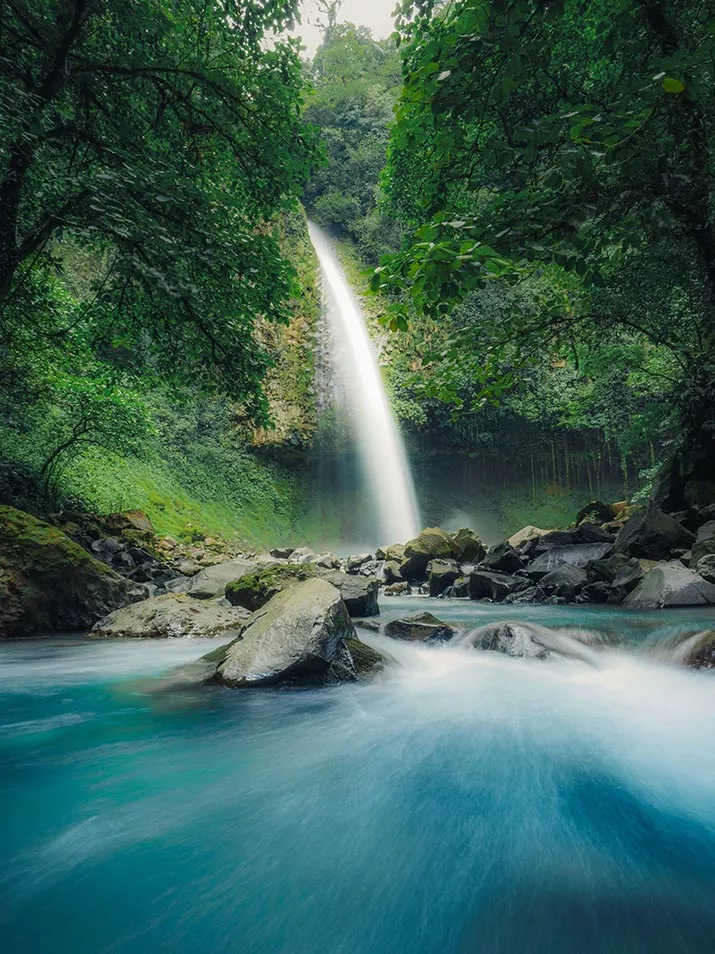
How to Plan Costa Rica Travel Days That Feel Like Part of the Adventure
Costa Rica is often presented as an easy country to explore because it is relatively small. That is true in one sense: you can experience volcanoes, rainforest, cloud forest and Pacific beaches in a single trip. But small on a map does not always mean quick on the ground. Mountain roads, rain, traffic around towns and the desire to stop at every viewpoint can turn a short-looking route into a full travel day.
That does not have to be a negative. A well-planned transfer can be one of the best parts of a Costa Rica itinerary. The key is to stop treating every move between destinations as lost time. Choose a sensible route, stay long enough in each place, and make transport decisions that match your group, budget and comfort level.
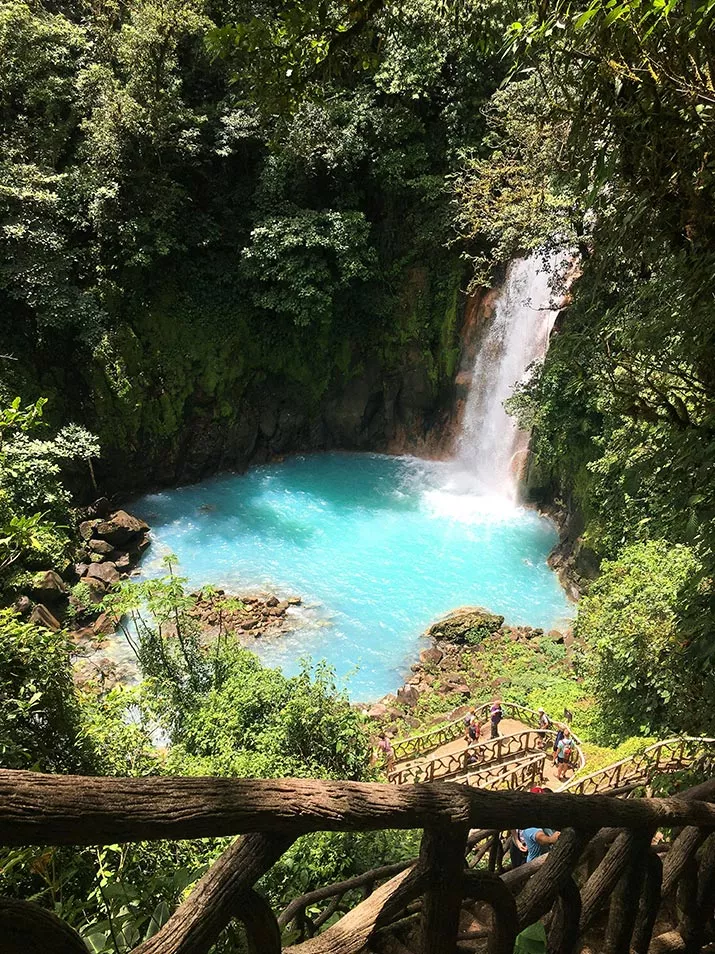
5 Tips for Planning Travel Days in Costa Rica
1. Start With Geography, Not a Bucket List
The first step is deciding which region you want to experience. Costa Rica offers very different landscapes, and a good trip has a clear direction rather than a long list of pins on a map.
Choose your arrival airport around your first stop and overall route. Compare San José (SJO) and Liberia (LIR) for La Fortuna and Monteverde; Liberia also serves Guanacaste and its Pacific beaches. Travellers with more than a week can link regions together, but should avoid zig-zagging across the country simply to tick off another attraction.
Consider a route with no more than three bases in one week. Two or three nights in one destination gives you enough time to see it in different weather, enjoy a quiet morning, and recover from an active day. It also means that a delayed transfer does not immediately ruin the rest of the itinerary.
Season matters when choosing your route. According to the Costa Rica Tourism Board, September and October are generally the Pacific coast’s rainiest months, but are relatively drier periods on the Caribbean coast. Check the weather for each stop rather than assuming the same conditions across the country.
2. Decide Whether a Car Really Adds Value
A rental car can be an excellent choice for travellers who want to stay in remote lodges, stop frequently or explore rural areas independently. However, it also means taking responsibility for unfamiliar roads, parking, fuel, insurance and navigation. For some people, that freedom is worth it. For others, it is exactly the stress they were trying to leave at home.
Private transport is often a better fit for families, groups, first-time visitors, or anyone arriving after a long flight. A Costa Rica private airport transfer can make the first journey uncomplicated:
meet the driver, load the bags, and start looking at the landscape. This is particularly useful if your hotel is outside the city centre or you have an early departure after a short stay.
For routes between popular destinations, shared shuttles can work well for solo travellers. Public buses are the most economical option, but may need connections and are best suited to flexible itineraries. Before choosing, compare the whole journey: not only the ticket price, but also baggage, pick-up location, travel time, hotel access and the value of the day you may lose.
3. Make Transfers More Comfortable
The best travel days have a realistic pace. Do not schedule a demanding hike or a late-night activity immediately after a cross-country transfer. Plan one easy thing instead: check in, have lunch, walk to a viewpoint, sit by the pool, or find a local restaurant.
Pack a small day bag with water, snacks, a rain layer, sun protection, medication, a charger and other solo travel essentials you do not want buried in your suitcase. Keep a dry bag for phones and cameras.
In Costa Rica, a warm sunny morning can become a wet afternoon very quickly, especially around the mountains and rainforest. If you plan to use maps and contact accommodation while travelling, get the best travel eSIM before departure and check that your chosen plan covers Costa Rica.
If you choose a Costa Rica private shuttle service, ask in advance whether the driver can include a comfort stop or a short food break. The journey becomes more enjoyable when there is room for a coffee, a fruit stand or a photograph of the view. It also helps to confirm the exact pick-up time, vehicle capacity and luggage allowance before the travel day.
4. Use Weather as a Planning Tool
Weather is one of the biggest reasons Costa Rica feels varied. A trip can pass through different elevations and microclimates in a few hours. Rather than trying to defeat the weather, use it to shape the day.
On the Pacific side during the rainy season, plan walks, wildlife viewing and outdoor activities for the morning where possible, as rain commonly arrives in the afternoon or early evening. Use afternoons for hot springs, museums, cafés, a slower lunch or a rest at your accommodation. If rain changes the plan, do not assume that the day is wasted. Forests can feel more alive in the rain, waterfalls may be at their best, and a covered terrace with a book can be part of the experience rather than a backup plan.
Always check current park conditions, road advisories and operator information shortly before leaving. Opening hours, trail access and local conditions can change, especially in wet weather. A flexible itinerary is not an unplanned one; it is an itinerary with room to adjust.
5. Think in Terms of Value, Not Just Price
The cheapest transport option is not always the best value. A late arrival, a difficult connection or an overly long bus journey can eat into a day that could otherwise be spent on a beach or trail. On the other hand, not every route needs a private vehicle. Save where it does not affect the trip, and spend where it protects time, comfort or safety.
Ask yourself: Does this choice fit the route? Does it make the arrival easier? Will it let me enjoy the destination rather than just reach it? Those questions usually lead to a better decision than choosing solely on price.
Costa Rica rewards travellers who slow down. Stay a little longer, take fewer transfers, and let the journeys reveal the country between the headline attractions. A road through the hills, the first sight of a volcano, or a rainstorm seen from the window may become just as memorable as the destination at the end of it.