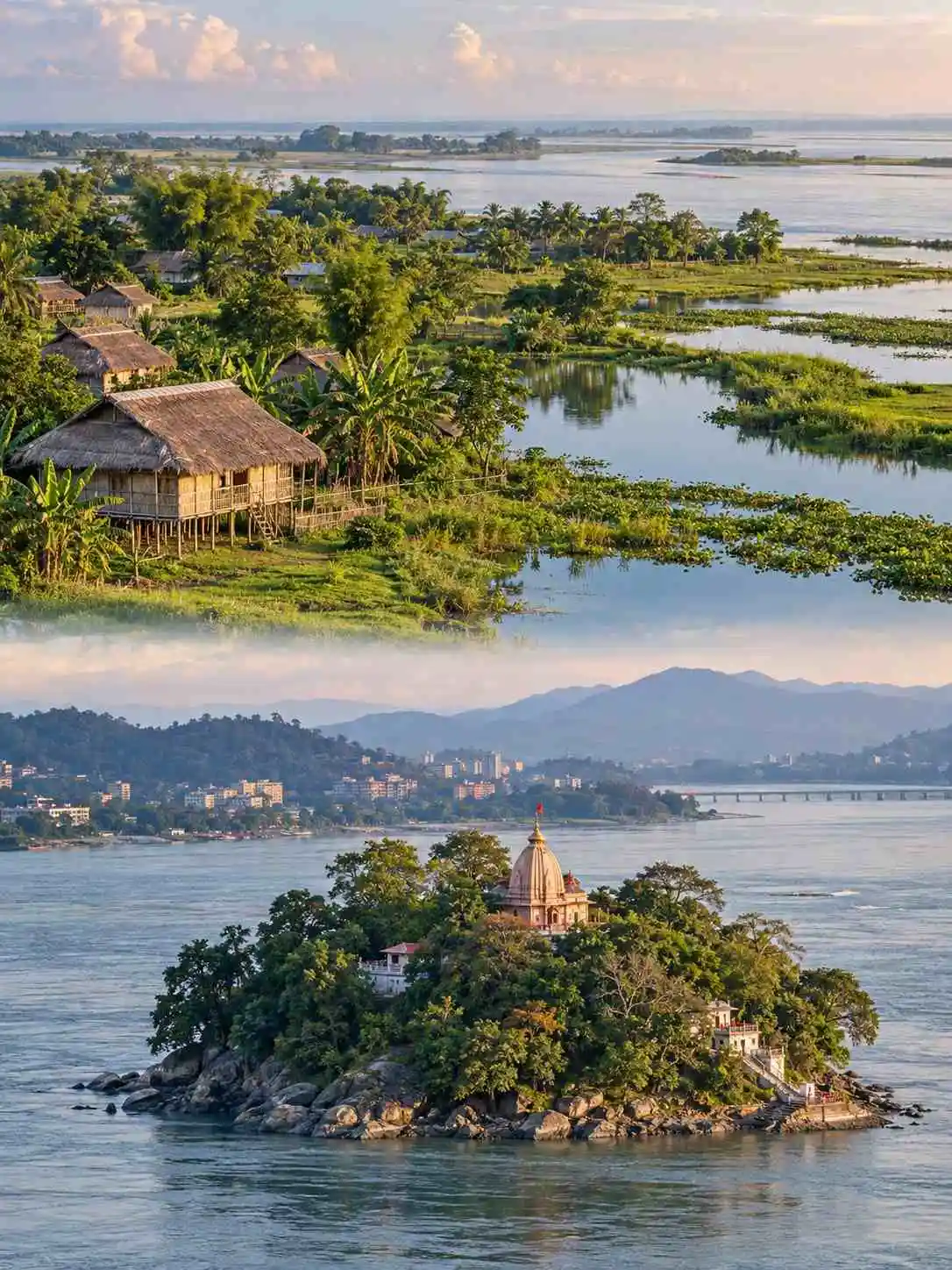
Assam Tourism is incompletely described unless one learns to follow the crests, turns, routines, rituals, and culture guided by the state’s Brahmaputra River. This waterway, flowing across the entire state from north to south, organizes all surrounding landscape; your experience of Assam draws from how livelihood, geography, stories, culture, and memory here are interwoven with the river’s course. Amid golden sandbanks and ethereal orange sunsets melting into the river, a true geographical marvel would be Assam’s unique river islands: a natural formation following centuries of sedimentation and the ever-shifting motions of the Brahmaputra.
The Majuli and Umananda islands of Assam are the state’s most remarkable riverine attractions, bearing deep, unique cultural ecosystems of their own. If you’ve been meaning to explore Assam, let the course of the Brahmaputra guide you to its uncharted banks of gentle lapping water and rustling river grass; think slow-paced, serene, immersive, and atmospheric; this is what to expect on your visit to the Majuli and Umananda islands of Assam.
The Heart of Neo-Vaisnavite Culture at Majuli
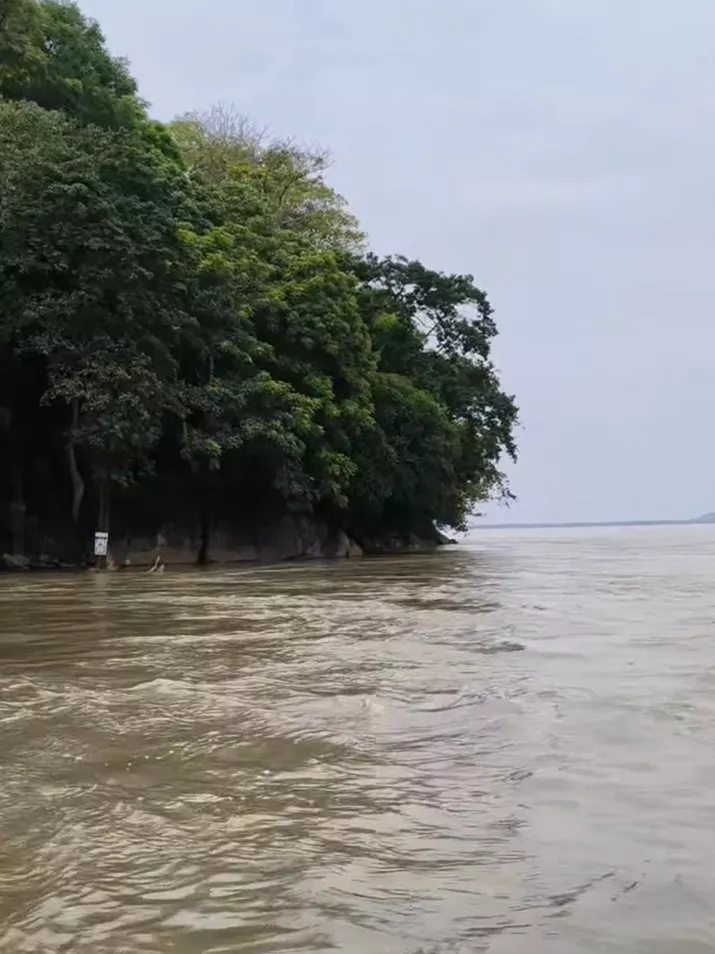
You’d know Majuli as the largest river island in the world (source); its grand shape and structure are enough to charm thousands of visitors yearly. However, it is only when you set foot here that the lesser-explored daily rhythms of Majuli form your truest place experience. And this fascinating bit ties to its history; the 15th-century polymath and spiritual leader Srimanta Shankardeva first propounded the centuries-old neo-Vaishnavite culture you see here (source).
This place was a hotbed of India’s spiritual renaissance during the Bhakti movement; a spiritual community founded upon the inclusion of all in the devotion of one God, sans caste, colour and background. This spiritually charged atmosphere seeps into many forms in Majuli’s Satras (Vaishnavite religious prayer houses), its folklore and literature, its vivacious Sattriya dance, Ankiya Naat and Bhaona Dramas, and Borgeet music traditions. Artistic expression and spiritual devotion converge upon a scenic physical world which is respectfully, animistically perceived; a surrounding river that is prayed to and that is even believed to speak back.
As I lay seated on the floor of the Dakhinpat Satras, in my last visit to Majuli, the Bhakat (priest) narrated one of these orally passed-down folklores to me:
During one particular pouring monsoon, as Assam was still drowning in seasonal floods, the Bhakats feared that the newly built Satra and their island would submerge if the river kept rising and closing in. Then the chief Bhakat walked to its violent shores and chanted his strongest mantras; he blew on a conch shell and tamed the river to the rhythms of the music he made. The river not only calmed and retreated, but its waves lapped rhythmically to the conch, dancing to the music that bewitched it. Ever since, every evening at the river aarti (praying session), the conch is played, and the river is prayed to, seeking to protect the island.
Many more such stories of God and nature in Majuli make up the place’s identity; this island is home to about 22 active satras (source). Tourists are usually recommended visits to:
- Sri Sri Samaguri Satra: Traditional mask-making craft
- Kamalabari Satra: Paalnaam (folk praying ritual) and Apsara Dance, Traditional Boat-making craft
- Dakshinpat Satra: Annual Raasleela celebration
- Bengena-ati Satra: Historic artifacts from Assam’s history
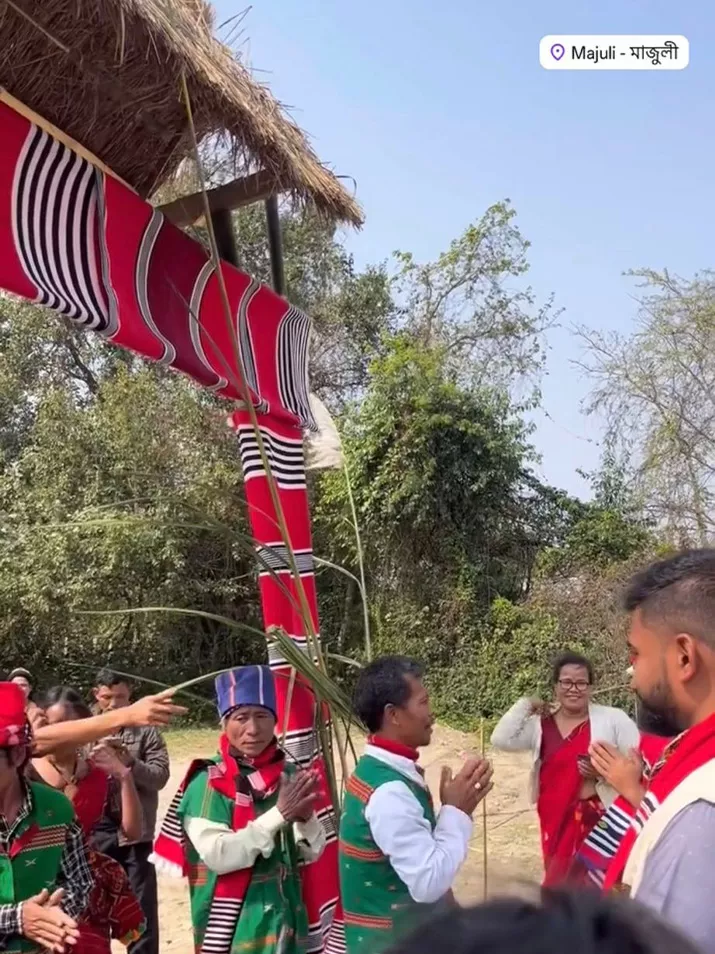
Things to Do:
- Seek blessings at temple shrines, witness folk prayer traditions.
- Experience bliss at lamp-lighting and evening aarti by the Brahmaputra.
- Immerse in mythology with the lively Ankiya Naat Drama Stagings.
- Witness the grace of dance performances like Sattriya, Apsara, Chali and Sutradhari.
- Watch skilled craftsmanship at mask-making and boat-making firsthand.
- Serene riverine views, morning fishing, bustling local market, hospitable locals.
- Try local delicacies like Apong (rice beer), Tupula Bhaat (sticky rice), Khorika (meat skewers), and Mising tribal cuisines.
Best Time to Visit: Spring (February-March) or Early Winter (October – November)
The Annual Festival: The island bursts into new charms every November as it celebrates a vibrant three-day-long annual Raasleela festival. This is Majuli in its excited grace, transforming into an open-air theatre that stages cultural music, dance, and dramas continuously throughout dusk and dawn. The birth, life, and divine providence of lord Krishna are staged; for art lovers, the sculptures, its intricate paintings, and lifelike costumes make an unforgettable impression.
How to Reach: Majuli is well-connected with communication lines to the capital city of Guwahati, and this journey of approx 350 kms takes about 8-10 hours. Once you land at Guwahati Airport, your next destination would be the town of Jorhat in Upper Assam.
- Take another flight to Jorhat Airport and then book a taxi to Nimati Ghat.
- Take a bus from Guwahati’s ISBT to Jorhat (7-8 hrs journey), take another auto to Nimati Ghat (30 mins journey).
- Book a direct cab to Jorhat or drive your way to Nimati Ghat with a booked car (the roads are well-maintained and offer a pleasant driving experience).
There are no land routes connecting Jorhat and Majuli, but an active ferry system. From Nimati Ghat, take a ferry to Majuli (1-2 hrs, Rs 30-60/person for tickets).
Note: Ferry availability is based on weather conditions, as Majuli is a flood-prone area and ferry services halt during heavy rainfall.
Ideal Stay Duration: 2-3 days
Additional Note for Travellers:
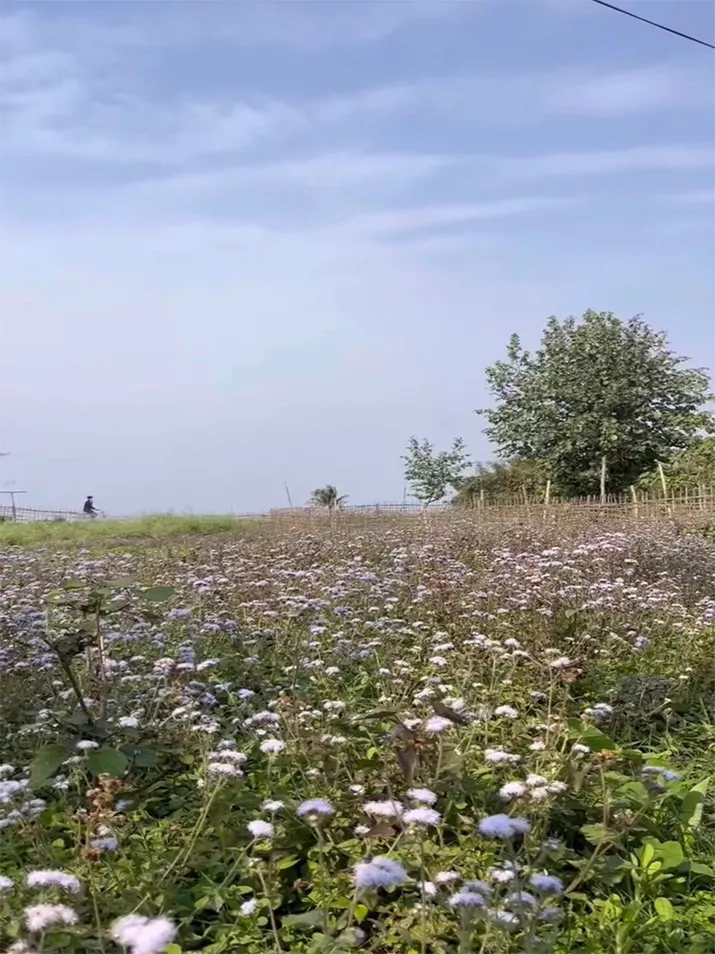
- Carry cash on hand; ATMs, though available, might be distant, inoperative, or out of connectivity at times. UPI is only accepted in select locations/shops.
- Photography is prohibited inside the interior shrines in the Satras. Ask for permission before photographing deities or the Bhakats.
- Rent a two-wheeler or a car for travelling inside Majuli. Public transport like vans, autos, buses and rickshaws are available.
- All visits are walk-in; book tickets on the spot for visiting museums, Satras, or to witness mask-making.
Accommodation Options: A wide range of homestays and eco-resorts are available for pre-booking online, or even on-the-spot booking. Costs range from ₹1500- ₹3000 per night.
Tamarind, Langurs, The Peacock Island: Umananda
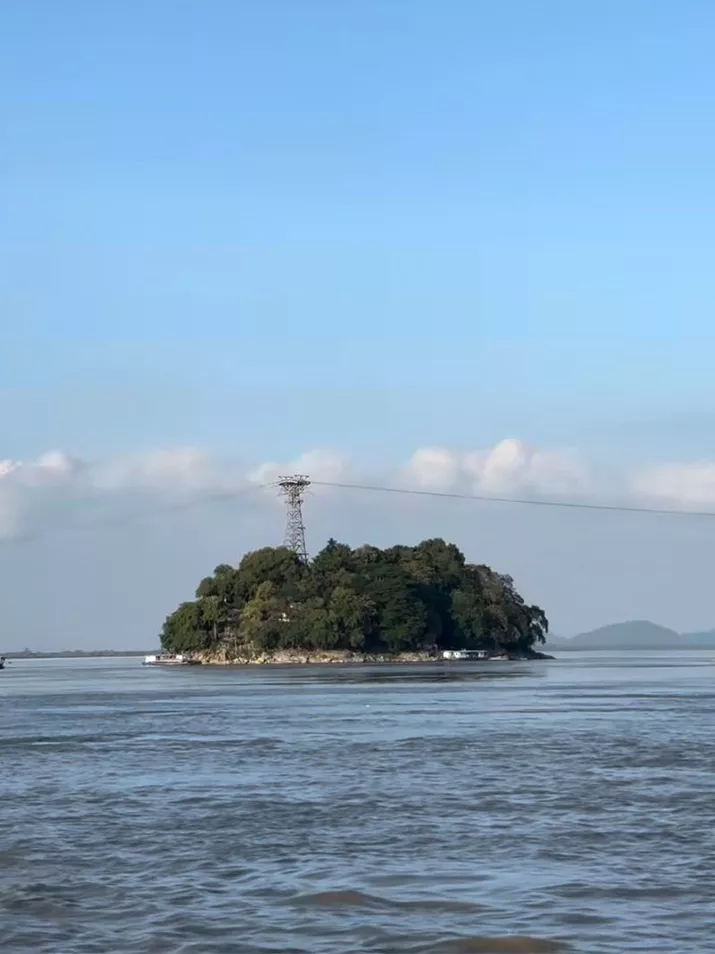
On your way back from Majuli, make a pit-stop at one of Assam’s hidden gems just 10 mins from Guwahati; this place was named the ‘Peacock Island’ by the British because of how uncannily it resembled the splayed feathers of a peacock in full display. This is the world’s smallest inhabited river island (source), a surprise nestled amid tamarind trees that once sheltered a population of the highly endangered Gee’s Golden Langurs, until Govinda, the last of them, passed away in 2020 (source).
One of the most profound pieces of folklore shared with me by a local resident whilst I visited this place: Lord Shiva had made this beautiful island for his wife Uma (another name for Parvati) so she could be made happy (adding the ananda suffix to Umananda). Its second name, however, is from folklore of mythological destruction, far from love. Bhasmachal, as the island is also called, comes from how Kamdev, the god of love in Hindu mythology, was destroyed by being burned down to ashes by Shiva here.
That same intimacy between land, folklore, and belief drifts beyond Umananda and into other corners of Assam. Further along the Brahmaputra lies Mayong, a village where oral stories, ritual traditions, and old mysteries seem stitched into the landscape itself. Here, folklore does not sit apart from everyday life; it lingers in memory, in inherited practices, and in the stories through which the village continues to understand its own past.
Umananda’s folklore and religio-spiritual practices revolve around Shaivism (followers of Shiva). Upon the Bhasmachal hills lies the most prominent Umananda Devaloi, a temple of Lord Shiva built around 1694CE by the Ahom dynasty (source). From personal observations, this place does remain crowded, with a rise in devotee numbers during peak worship hours in the morning. There are designated queues for devotees, and the priests were present, guiding all visitors and managing the crowd. This is a must-visit place to seek divine blessings while you get to marvel at the detailing of rock-cut God figurines; the temple has idols for 10 other Hindu deities besides Shiva.
How to reach/Plan: Take a morning ferry from Guwahati’s Kachari Ghat across the Brahmaputra. Official boat services run from 7:00 AM. Take a returning ferry by 4:00 PM.
Suggested Itinerary:
- Day 1: Arrival at Majuli + Sunset Aarti + Visit one of the local resorts for rice beer and meat delicacies
- Day 2: Visit the Satras + witness mask-making and boat-making craftsmanship + Return to Guwahati
- Day 3: Visit Umananda early morning + temple visit and sightseeing + return on the 4 pm ferry