Mayong, Assam: Folklore, Wildlife and What Travellers Should Know
When Magic Exists As Is
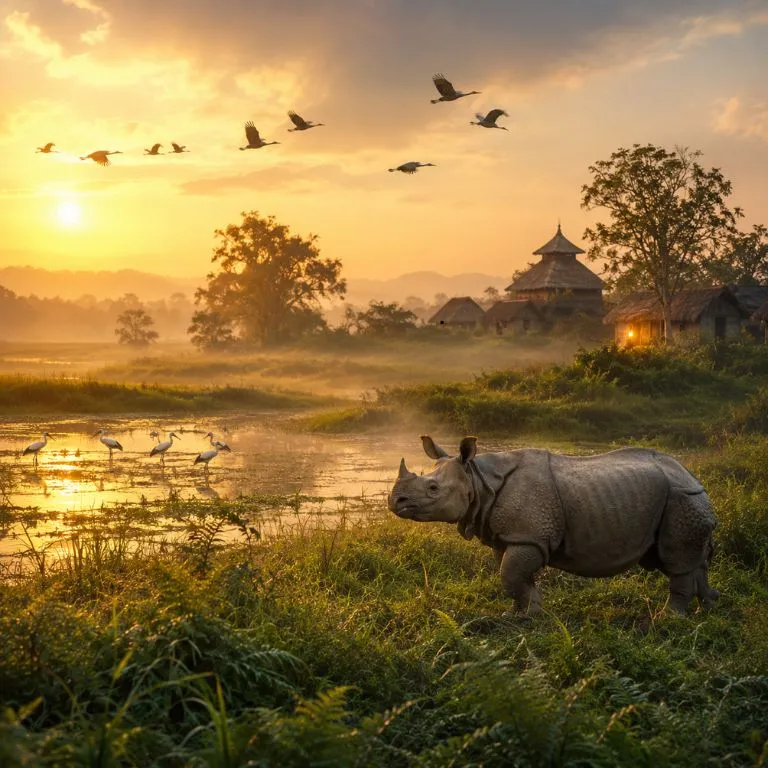
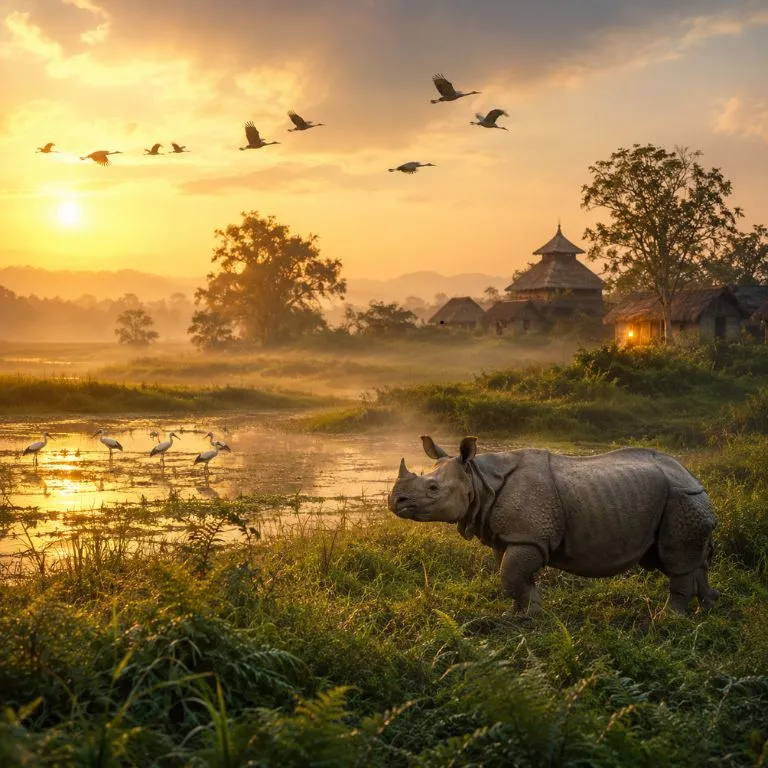
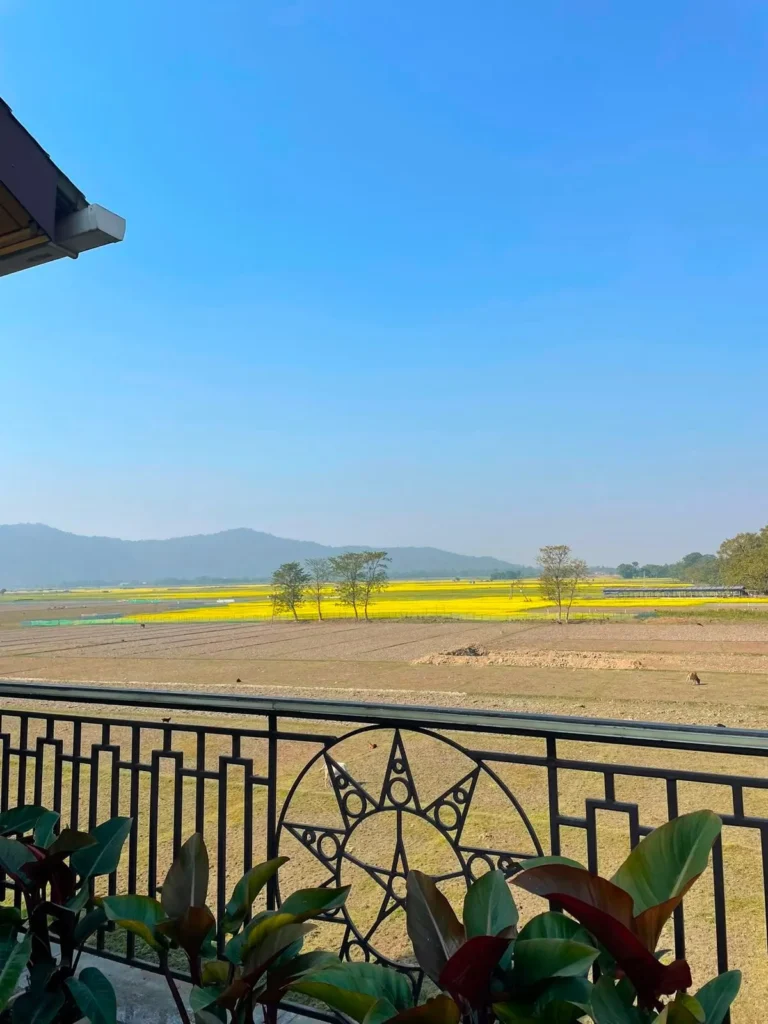
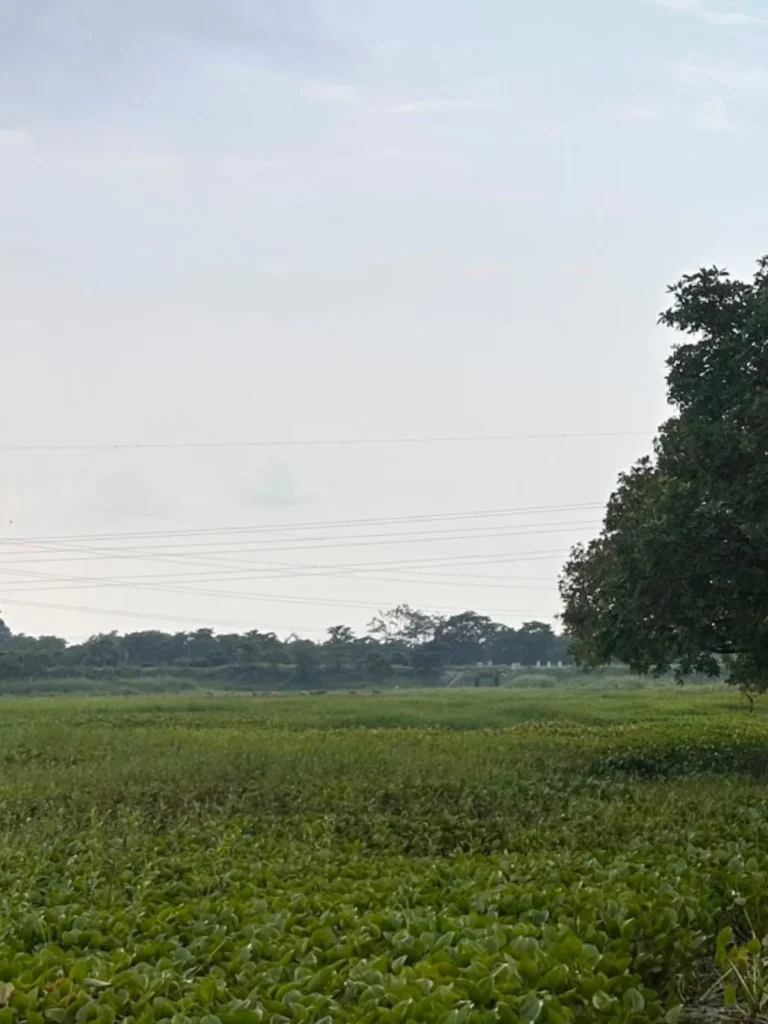
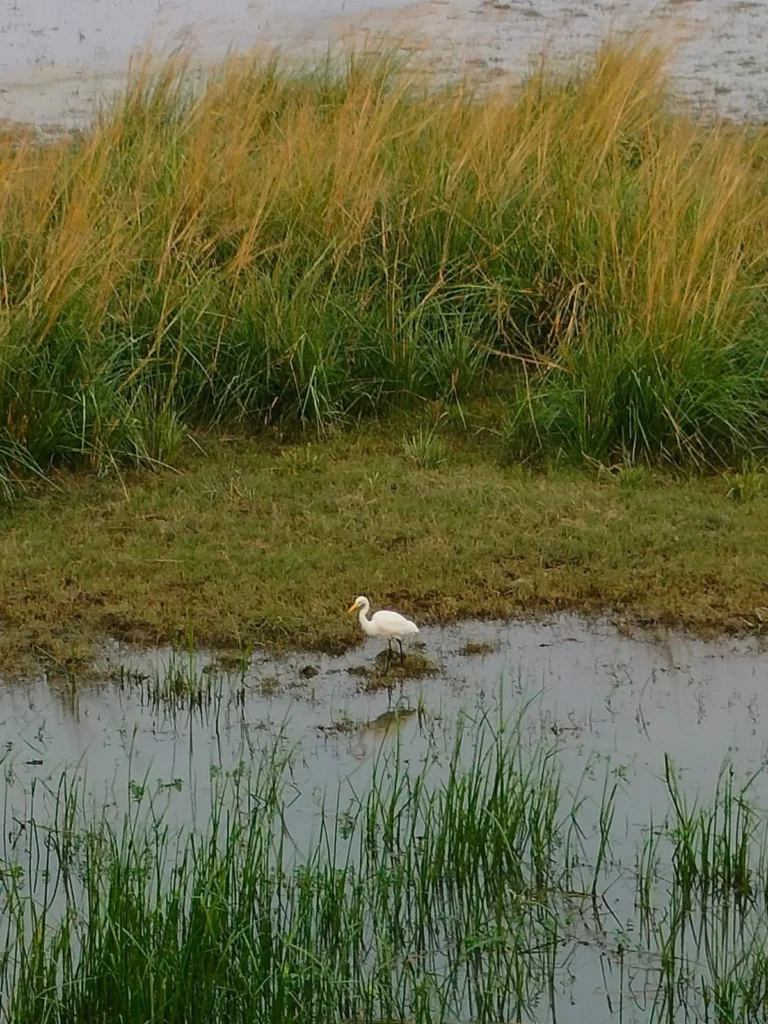
I best remember Mayong for its whimsy; think thick forest covers blended into grasslands, and in no distance from there, migratory birds perching across one of its vast, many wetlands.
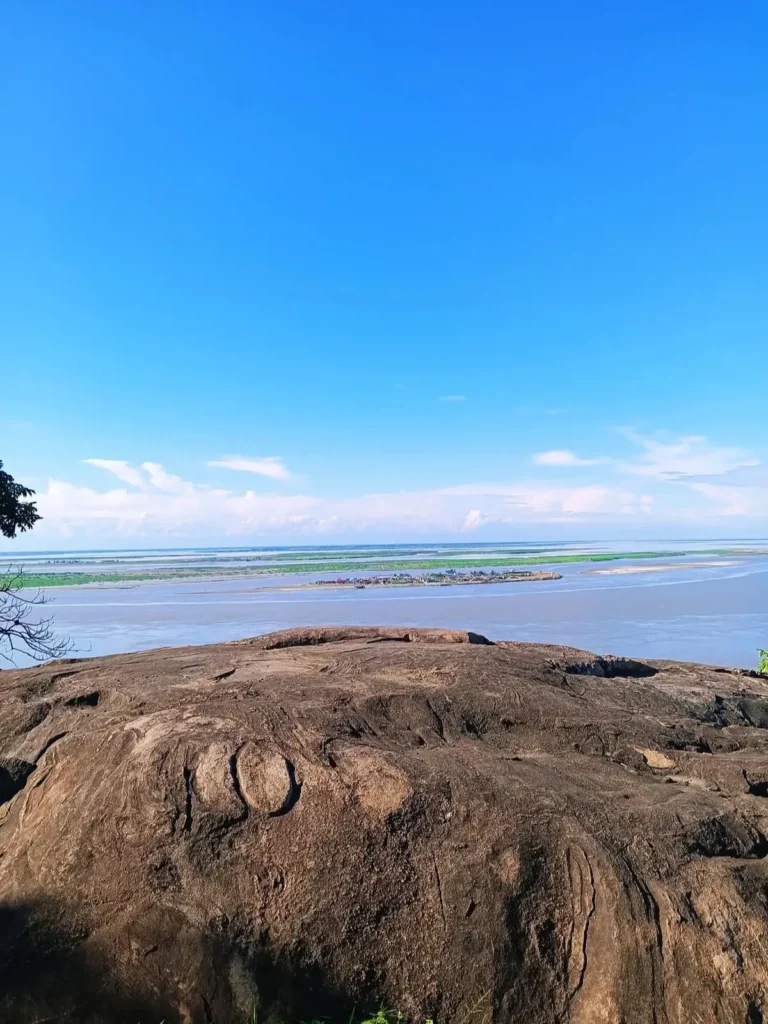
Tucked south of the Brahmaputra, the district of Morigaon lies at the center of Assam, 80 km from the capital city of Guwahati.
This quaint locale receives a high and rising footfall of tourists year-round, making it one of Assam’s largest contributors to tourism-related activities.
This district is an exquisite witness to conservation efforts, and this comes to be in two ways. First, you’d be mesmerized by the Pobitora Wildlife Sanctuary, an in situ one-horn rhino conservation site, home to a splendid fauna variety, from beasts to birds.
Second is the story of conservation of cultural memory, in Mayong, where its history of occult magic practices lives on today through folklore stories and material memory.
One memory I keep revisiting most is from a winter’s night at a resort in Mayong:
The Bez (magician) plunged his hand inside an overturned hat and pulled out a yellow silk. As he kept tugging out the fabric, more kept appearing- the yellow scarf knotted to a red, red to a green, violets and purples all from a small, ordinary hat.
He then hurled his emptied hat upwards; a pearly, hasty pigeon, batting its wings, launched out. The crowd broke into gasps and applause, cut short by our resort manager, “Only if you remain silent will the voices in the jungle reach you.”
On a parting note, the Bez says, “You’d know Mayong for its tall tales of black magic; many of you would be uneasy sitting out this night in the middle of acres of jungle. What we learn here is, however, only ‘white magic’, the one that protects our people and welcomes our guests. As you leave tomorrow for your jungle safari, the magic greets you again; in the winds, trees and animals; do neither fear nor miss a moment.”
Stories of Sorcery & Mysticism: Mayong
One fascinating oral folklore from Mayong circulates widely on the internet today- when the Mughal army sent by Emperor Aurangzeb to capture Assam entered Mayong, something unexplainable happened.
The rumored powerful sorcerers of Mayong allegedly made an otherwise undefeated army of 1,00,000 soldiers with horses and machinery all disappear into thin air! Not a nail, nor a hair tracing back to them could ever be discovered.
What Mayong inherits is its centuries-long association with Tantrikism (or Tantra) in a form of animistic, localized ritual sets embodying esoteric knowledge. A rich treasury of folklore arises from its history; from shape-shifters to animal whisperers. The sorcerers here, according to legends, even make rice grains dance to their chants!
Whilst you’re here, you could drop by its local museum to spot an array of manuscripts; these are written-down magic chants among other things. From antique manuscript boxes and stone figurines to dioramas staging magic scenes, not a single item here is commercially procured but all donated from heirlooms of families that have lived generations here.
More details about the Mayong Museum:
- Address: Raja Mayang, Assam 782411
- Entry Fees: ₹400 for foreigners, ₹50 for adults, ₹30 for children; tickets to be bought on-the-spot
- No parking facilities; plan accordingly
- Photography restricted inside premises
The Reverent Wilds: Pobitora

If you consider Mayong for cultural tourism alone, the raw beauty of the Brahmaputra floodplains could stun you. Just 30 minutes off your ride south of Mayong, you enter the world’s highest one-horn Rhino density site, the Pobitora Wildlife Sanctuary.
And here you’ll witness one of India’s best-made wildlife conservation success stories; the one-horn Rhino population had plummeted to just 100 to 200 in the 1900s, made critically at risk of extinction until lovingly revived in nurseries like Pobitora.
For wildlife lovers, this expedition doesn’t end at rhinos. Just before the onset of winter (around October), about 60 unique species of migratory birds land in Pobitora to warm and nestle themselves after an impossible stretch of travel from as far as Siberia and North America.
In the 2020 migratory season, nearly 15,000 of them visited, including Grey-legged Goose, White-bellied Heron, Spot-Billed Pelican, White Ibis, Teals, Swamp Francolin, etc.
Pobitora could be a bird-watchers’ paradise, for it is an IBA (Important Bird Area) with about 375 of its own bird varieties, from the endangered Marsh Babbler to the White-rumped Vulture, Eagle varieties like the Pallas’s Fishing and the Grey-headed Fish.
A recommended experience here is to book yourself an early-morning jeep safari to catch the golden photogenic light during peak animal activity hours.
Safari Details:
- Entry inside Sanctuary is separately charged
- Types: Jeep Safari, Elephant Safari, Boat Safari
- Online bookings available; multiple service providers; can be booked on-the-spot as well.
- Timings: morning and evening slots for Jeep Safari, morning slots only for Elephant Safari, multiple slots for Boat Safari
- Pricing: Jeep Safari at ₹2500 to ₹5000, Elephant Safari at ₹1200/person to 2000/person, Boat Safari at ₹4000 (prices vary with providers, season, or availability of slots)
- Cameras separately charged based on specifics
While You’re Here: Checklist
How To Reach:
Once you’ve reached the Guwahati Airport in Assam, you’ll need to cover another 40 km to reach Mayong-Pobitora:
- By Car: Rent a car and in about 2 to 2.5 hours you’ll reach your destination.
- By Bus: There is no direct bus between Guwahati and Pobitora-Mayong. Take a bus from Guwahati till Chamata; from Chamata you’ll need to hire an auto-rickshaw or private taxi to Pobitora.
- By Train: There is no direct train to the sanctuary. Take a train from Guwahati to Jagiroad, and a taxi for the remaining 30 km.
Best Time to Visit:
November to April for pleasant weather and migratory birds cycle
How Long Should You Stay:
2 to 3 days
What to Expect:
- Good quality accommodation; from budget stays to resorts, can be booked through online travel booking websites
- Limited food options, no deliveries. Local eateries available, and restaurants inside resorts/hotels
- Bird-watching & animal sighting; Jeep, Elephant & Boat safari options
- Adventure activities like river sports and trekking
- Ancient Temples, Shrines and Archaeological Inscriptions
- Mayong Village Museum
- Garanga Beel, Haduk Beel, and Tamulidoba Beel (lakes) for sightseeing
Probable Itinerary
Day 1:
- Morning: Early morning travel to Mayong from Guwahati. Visit the Mayong Museum, Kachasila Hills, and local history sites
- Afternoon: Look for magic shows, NGO events, or adventure activities
- Evening: Sunset trail by Brahmaputra, try local delicacies at resorts
Day 2:
- Morning: Elephant Safari in Pobitora
- Late-Morning: Jeep Safari & Boat Ride
- Afternoon: Bird-watching, lake sighting, relax in eco-resorts
Important Cultural Considerations:
- Comply with zone restrictions, avoid entering restricted park areas; preferably have forest guards answer your queries before venturing onto untrodden paths.
- Be considerate of the animals; don’t be too loud or litter, as it disturbs their habitat.
- Have an open mind about the community’s spiritual practices; they treat black magic and white magic as yin & yang, forces both necessary to balance each other and complete the practitioner’s own knowledge.
- Don’t wander alone at night; there are wild animals, and the village life sleeps down by 8 PM.
The snippets of (1) seeing a magic show, (2) seeing an NGO Bird show, and (3) a jungle safari are from personal experiences; (4) the story of the Mughal army + dancing rice grains are folklore I’ve collected, but they are also available on the internet easily