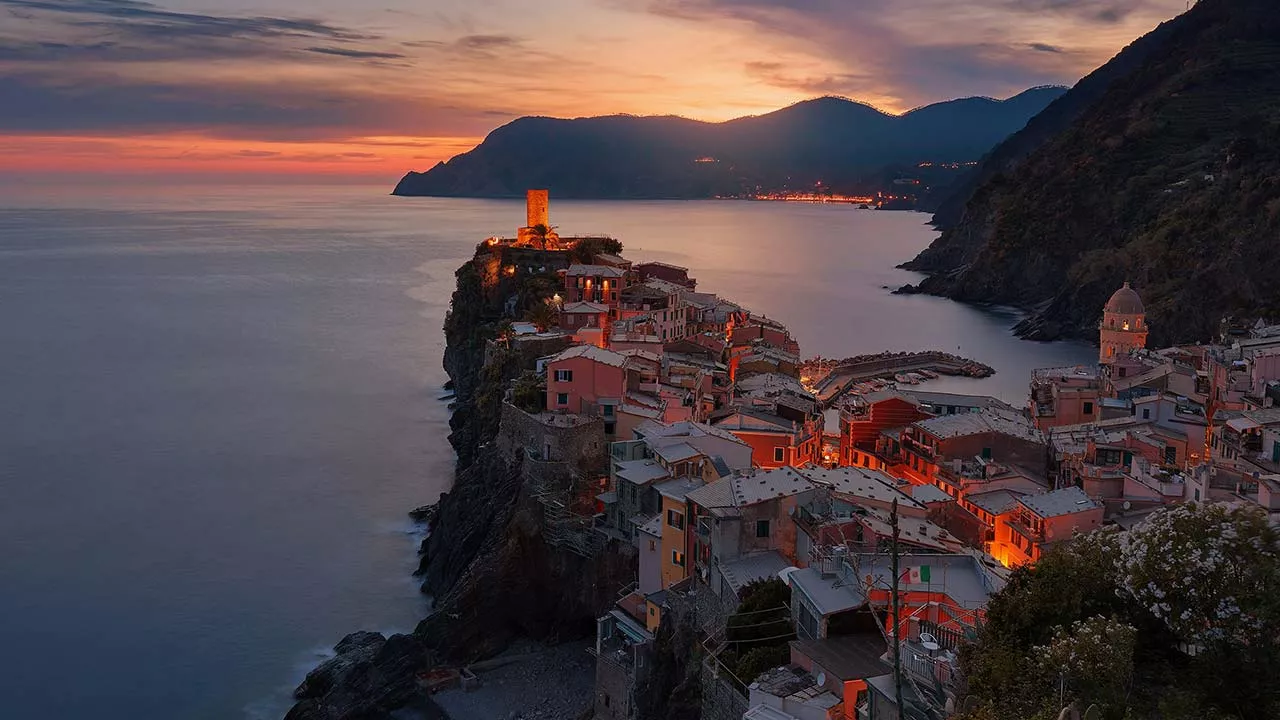
Anyone who has ever visited Italy has their concise and very opinion-based rate list. From metropolitan cities to mountainous regions, one place that everyone includes in their shortlist is at least one of the country’s coastal cities; Positano, Cinque Terre, maybe Sardinia if they’re feeling adventurous.
And while none of those are wrong, I can tell you that the most memorable places are rarely the ones topping every travel roundup.
Here are the coastal cities that are actually worth your time.
1. Genoa
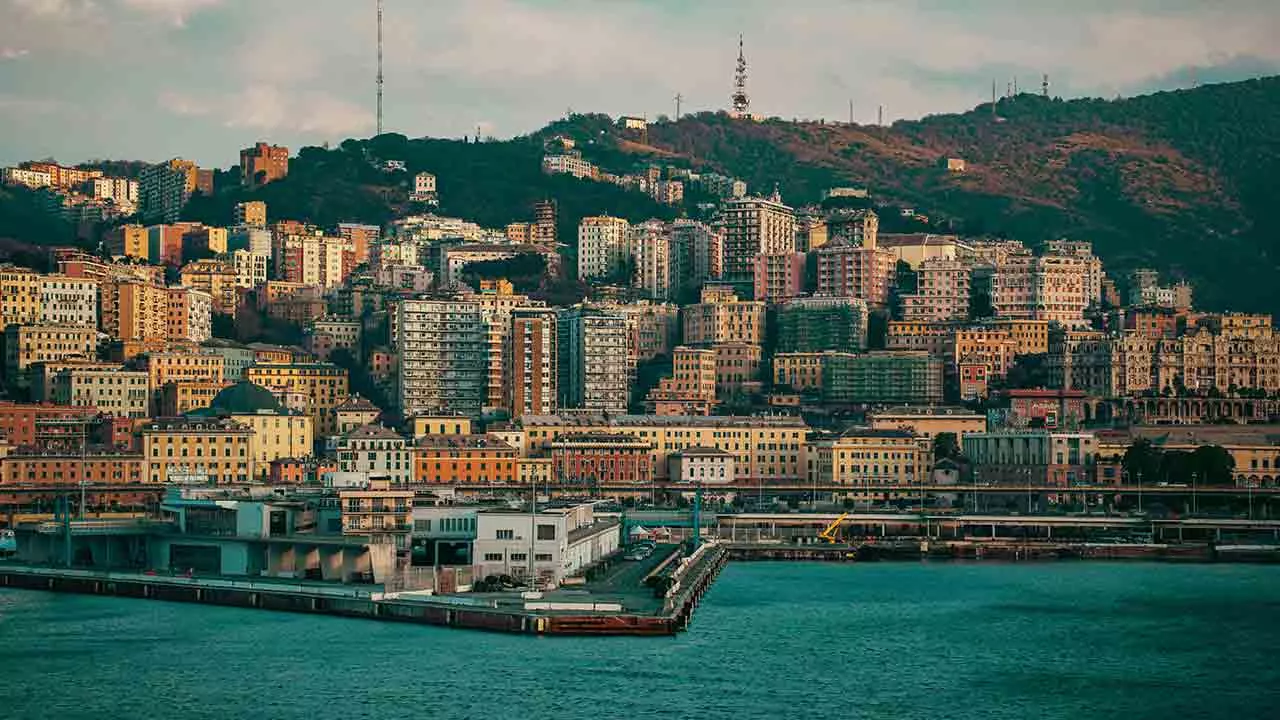
Genoa is one of Italy’s most underrated destinations, and the reasons to visit are hard to overlook. As Italy’s largest port city, it has been dealing in trade, food, and culture for centuries, and that history is visible at every turn.
The historic centre, a UNESCO World Heritage Site, is a maze of narrow alleyways that open onto jaw-dropping Renaissance palazzi. Pesto, one of Italy’s most celebrated culinary contributions, was born here. When I went there, I simply asked the locals where to go for the most authentic version. I’d suggest you do the same. For travellers who want to eat well in Italy without navigating tourist-menu pricing, Genoa is an excellent choice.
Best time to visit: April to June, before the heat builds and the cruise ships begin docking in numbers.
2. Lecce (you can even add Otranto as a day trip)
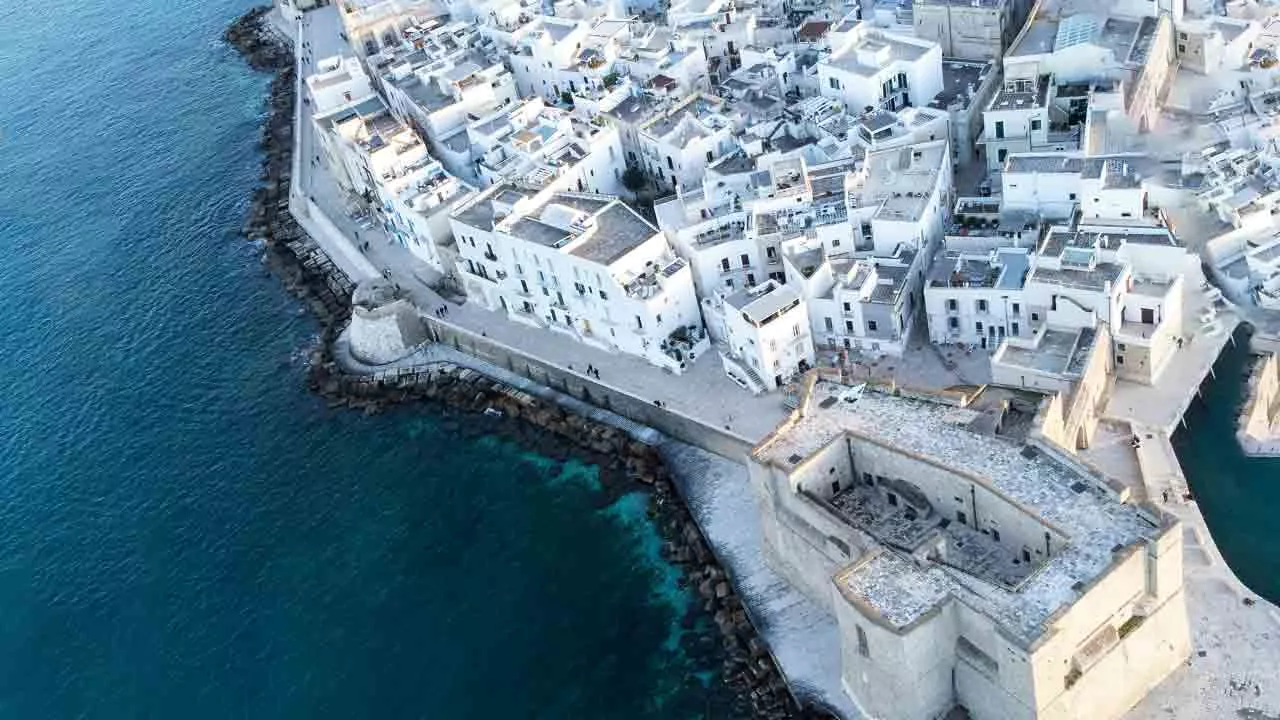
Most visitors heading to Puglia gravitate toward Bari or Alberobello. Lecce is the more rewarding and still underrated choice. Known as the Florence of the South, the city’s baroque architecture is among the most dramatic in the country, and its compact layout makes it easy to navigate.
The coastline around Lecce adds another dimension to the visit. Otranto, around 40 minutes to the east, sits at the heel of the boot with extraordinarily clear water and an old town well worth the detour, particularly for the remarkable mosaic floor inside the cathedral. Lecce also ranks among the more manageable Italian cities for first-time visitors, making it a natural entry point into the country’s best coastal cities in Italy.
Best time to visit: Spring, for vivid green landscapes, or autumn, once the summer heat has eased.
3. Naples
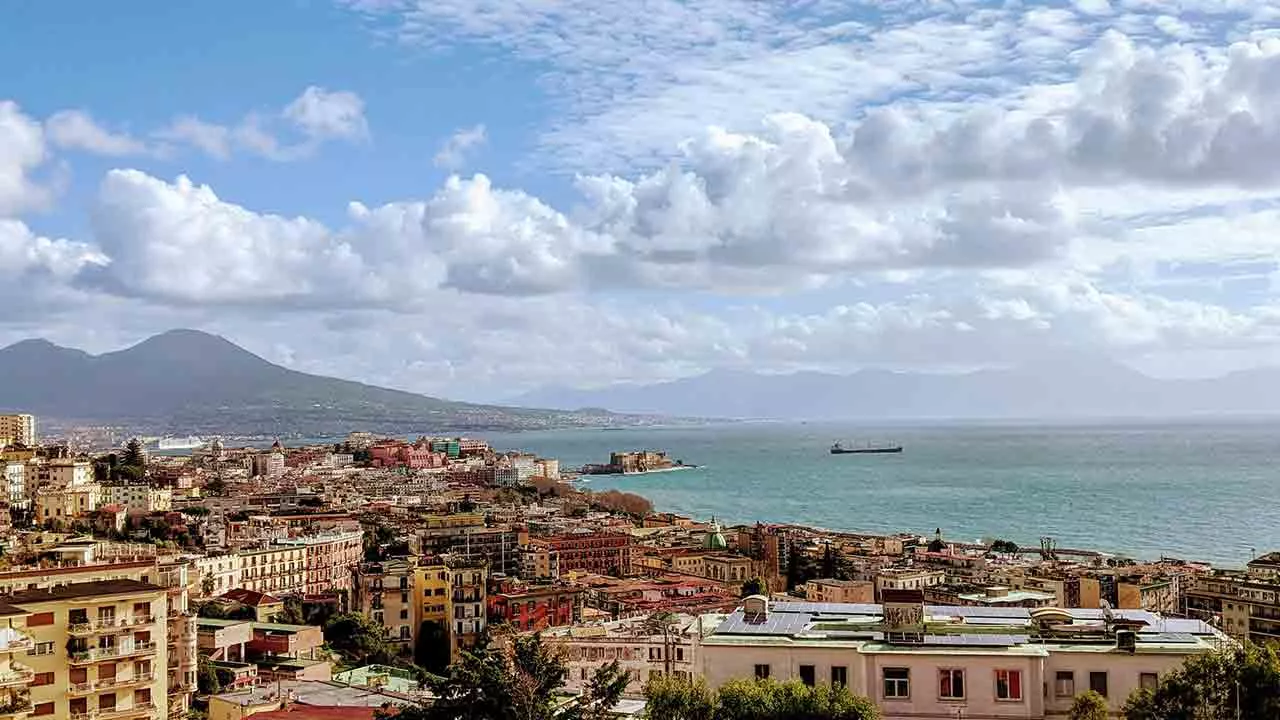
Naples is polarising, there is no doubt about it. It doesn’t perform for tourists, it is loud, chaotic, frustrating, but so completely addictive. The street food alone is reason enough to go, even for breakfast. My go-to is a traditional sfogliatella, an iconic pastry with multiple layers of warm and crunchy dough. It is the perfect hand-held meal to much on whilst visiting the city.
The historic centre, also UNESCO-listed, goes several layers deep both literally and figuratively; the underground network of tunnels beneath the city is a must-do.
The coast around Naples gives you access to Procida and Ischia without the Capri price tag. Both islands are reachable by ferry and feel a lot more local. Procida, named European Capital of Culture in 2022, is still finding its footing in the wider tourism landscape, which makes now a particularly good time to visit. Naples is also a fantastic option for families travelling in Italy who want somewhere with real energy.
Best time to visit: September, when the summer crowds have thinned and the weather remains warm.
4. Cagliari, Sardinia
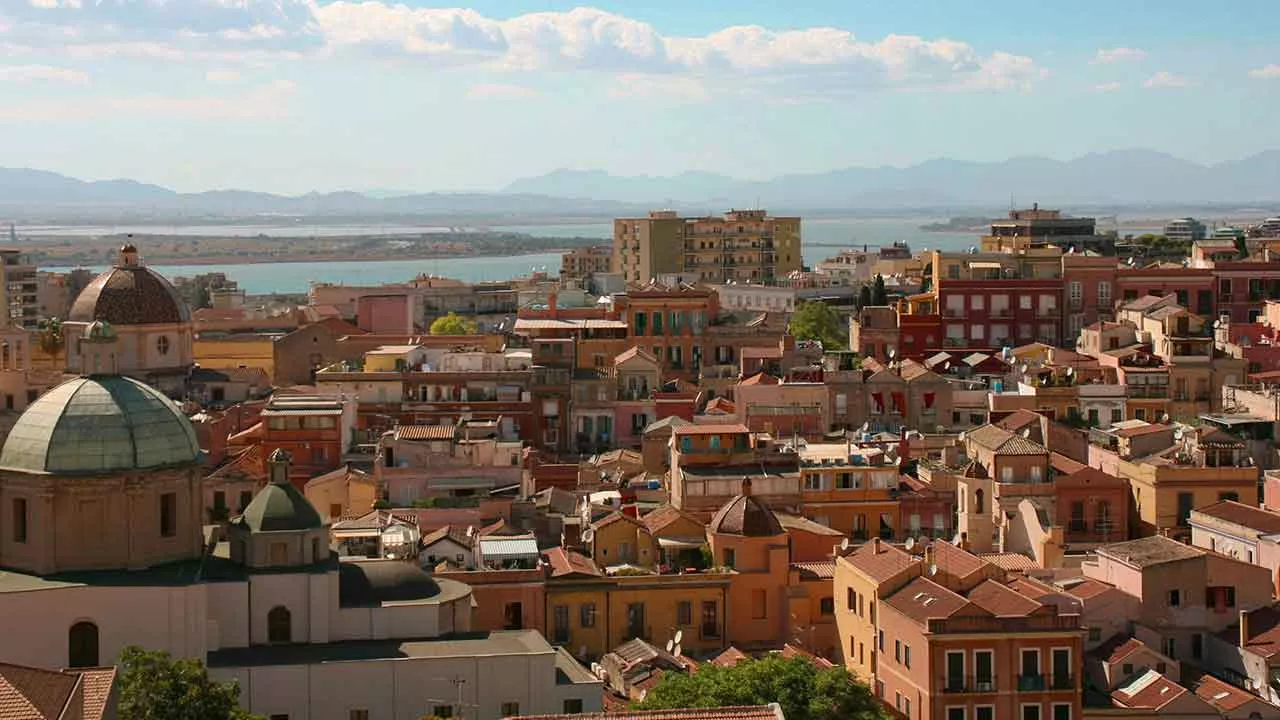
Sardinia is often treated as a beach destination and little else. Cagliari, the island’s capital, is routinely overlooked in favour of the Costa Smeralda further north. This is a mistake. It has distinct neighbourhoods, good restaurants that aren’t priced for yachts, and direct access to some of the best beaches on the island.
The old quarter, Castello, sits high on a hill and looks out over the lagoons where flamingos gather in the early morning. I’d recommend doing the same to beat the crowds and get that dewy haze in your photographs. Cagliari works as both a base and a destination in its own right, which puts it ahead of a lot of the best cities to visit in Italy when you factor in value for money.
Best time to visit: May, June, or September – shoulder season pricing with none of the August chaos.
5. Tropea, Calabria
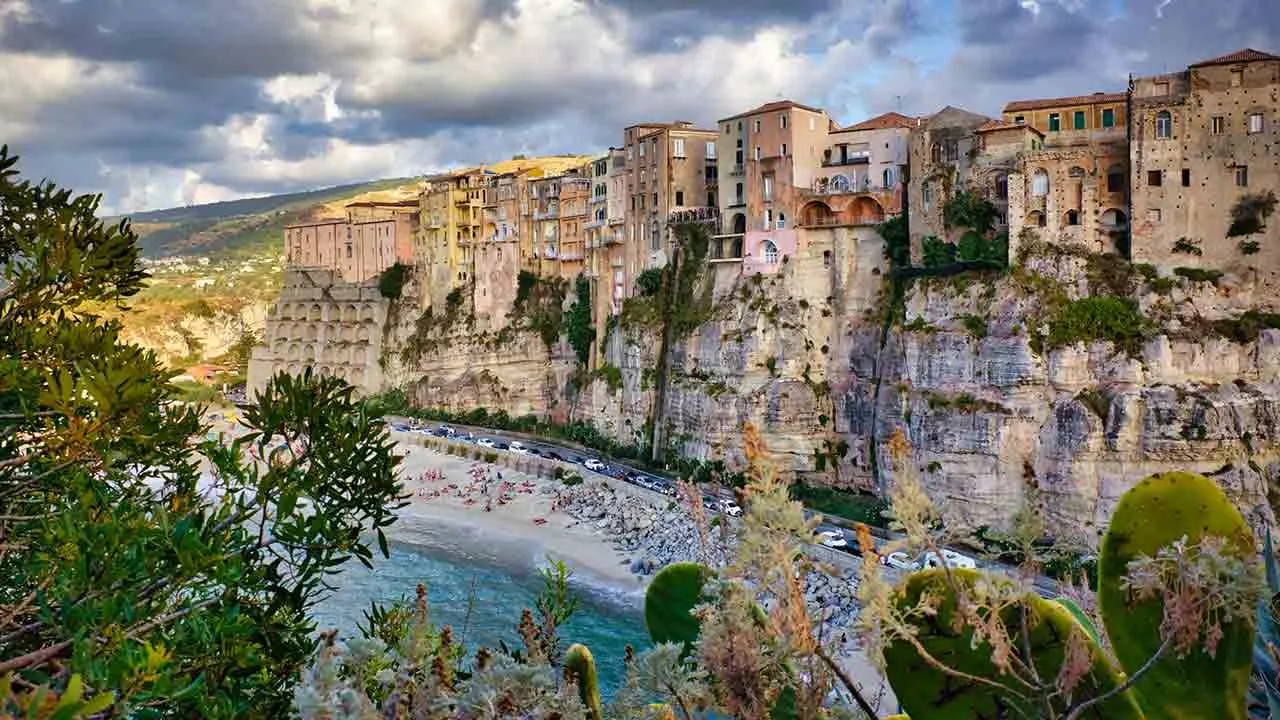
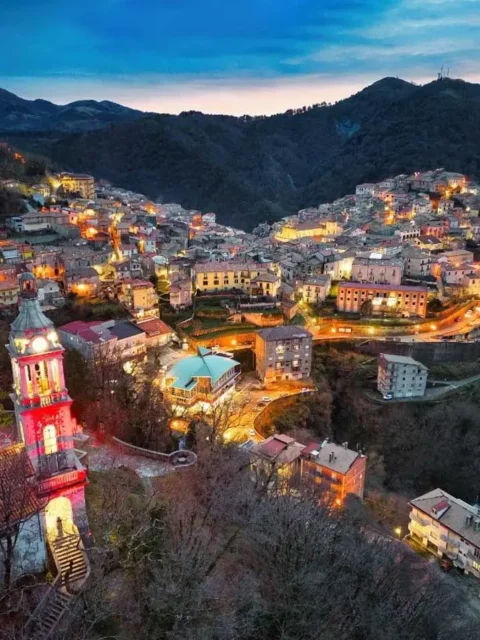
Tropea sits on a cliff in Calabria, looks directly out to sea, and has been doing so without any particular interest in becoming too famous. The old town is small and is perfectly walkable in a single morning. The beaches below are some of the best anywhere in the Mediterranean: the water is that specific shade of blue-green that photographs struggle to do justice to. If you want to explore more of Calabria beyond the coastline, you can also discover the things to do in Mormanno, a mountain town surrounded by the landscapes of Pollino National Park.
Best time to visit: it can get busy in August, but visit in June or September and the place is remarkably quiet for something this photogenic.
FAQs
Always. Shoulder season gives you the same coastline with less crowds and noticeably lower prices. The water is still warm enough in September and possibly October.
Lecce. It is compact, the surrounding coast gives you plenty to work with, and my mouth waters thinking about the food.
This question comes up every time Naples is mentioned. Like any large city, use common sense: don’t leave your bag unattended and be aware of your surroundings. Beyond that, it is perfectly navigable.
It depends. Genoa, Naples, and Cagliari have decent public transport. Lecce and Tropea are trickier, Calabria especially. Check the travel tips for beginners before you book anything.