10 Fun Facts About Dubai That Will Fascinate You
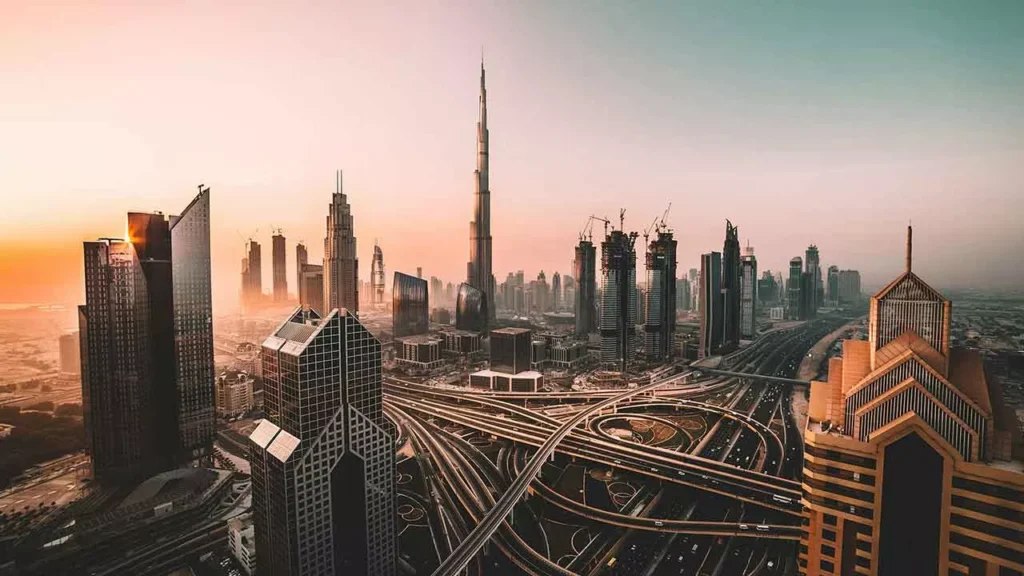
Nothing fascinates the world at large quite as much as the dazzling opulence of Dubai. The largest city of the United Arab Emirates, Dubai has developed a reputation over the last four decades for its wealth, impressive architecture, and absolutely massive shopping empire.
Dubai’s modern foundation dates to 1833, when around 800 people from the Bani Yas tribe settled around Dubai Creek. Oil was discovered at Dubai’s Fateh field in 1966, helping accelerate the emirate’s transformation, but the city’s roots stretch well beyond the oil era.
In a city so storied, of course there are some aspects that are perhaps a bit… quirkier, shall we say, than others. Keep these fun facts about Dubai in your pockets for your next dinner party, and you’ll be sure to impress your fellow guests.
Quick Facts About Dubai
| Fact | Current figure |
| Population | 4.58 million at the end of 2025 |
| Burj Khalifa height | 828 metres (2,716.5 feet) |
| Dubai Metro opening | 09/09/2009 at 09:09:09 PM |
| Deep Dive Dubai | 60.02 metres deep |
| Dubai Miracle Garden | 72,000 m² with 150 million+ blooms each season |
Dubai’s population reached 4.58 million by the end of 2025, according to the Dubai government.
1. Gold Vending Machines Once Dispensed Real Gold in Dubai
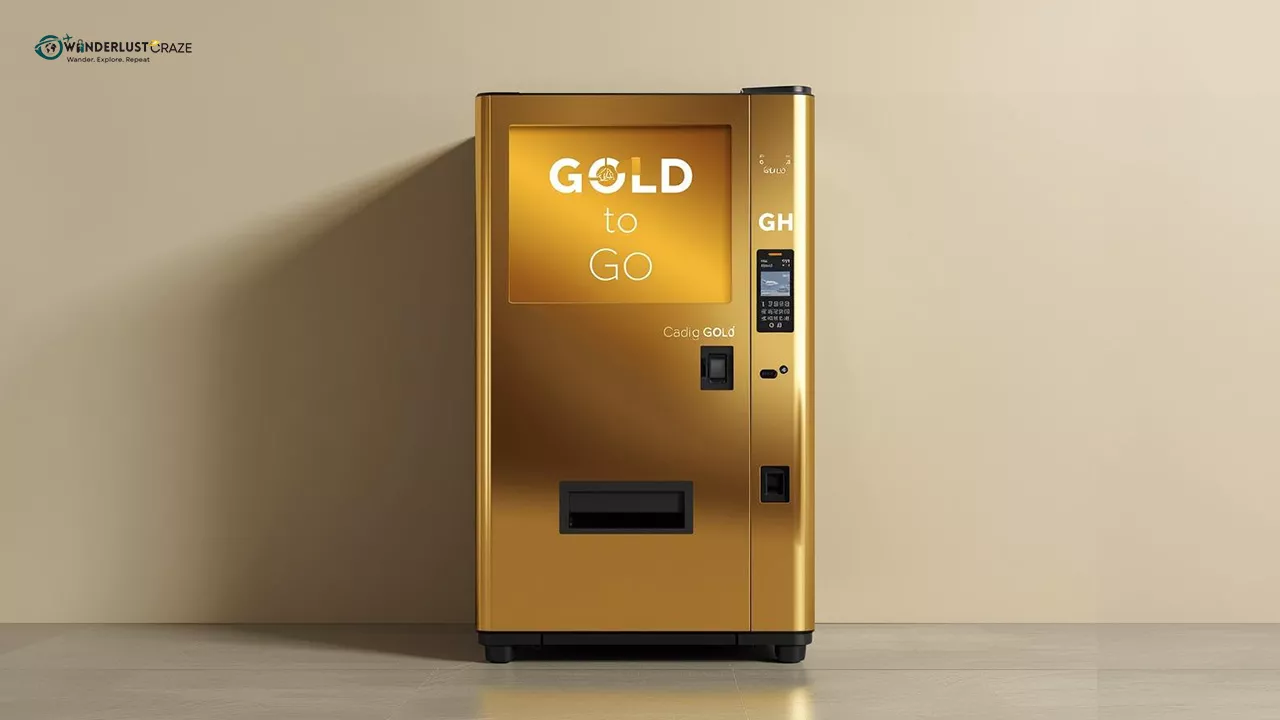
Dubai really did have Gold to Go vending machines, but those machines are now a historical curiosity rather than a current attraction. Gold to Go machines were installed at locations including the Burj Khalifa, Dubai Mall and Atlantis, The Palm, allowing customers to buy small amounts of 24-carat gold with prices linked to the live gold market. The National reported in 2025 that the two Dubai machines it tracked had been removed by 2017.
The idea was every bit as extravagant as the city’s reputation suggests. The machines sold items such as 2.5-gram and 10-gram gold bars, with prices updated according to market rates. Today, visitors looking for Dubai’s gold culture are better served by the Gold Souk and established jewellery retailers rather than hunting for an ATM that probably disappeared years ago.
2. Burj Khalifa Is 828 Metres Tall
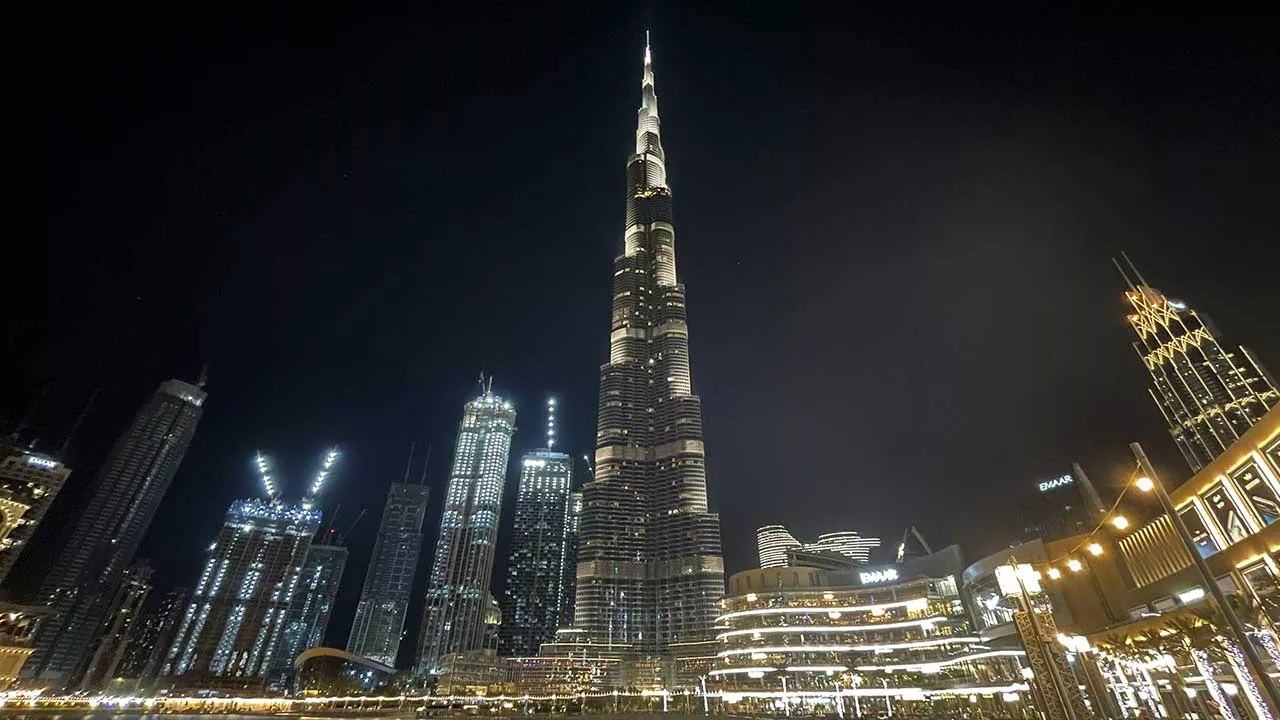
Burj Khalifa stands 828 metres (2,716.5 feet) high and remains the world’s tallest building. It officially opened on January 4, 2010, and Emaar lists several records associated with the tower, including tallest building, tallest freestanding structure and highest occupied floor.
Burj Khalifa towers roughly 320 metres above Taipei 101, which previously held the title of world’s tallest building.
3. Dubai Police Has a Supercar Fleet
Dubai Police operates a famous fleet of high-performance and luxury cars that has become part of the city’s public image. The force itself promotes its supercar fleet, describing the vehicles as some of its fastest and most expensive cars.
Earlier versions of the fleet have included attention-grabbing models such as the Ferrari FF, Bugatti Veyron, Aston Martin One 77, while other luxury and performance cars have appeared over the years. Dubai Police has used high-end vehicles in patrol and community roles, although they are hardly representative of the force’s everyday fleet.
4. Burj Al Arab Uses About 1,790 Square Metres of 24-Carat Gold Leaf
Jumeirah Burj Al Arab contains approximately 1,790 square metres of 24-carat gold leaf across its interior surfaces.
The hotel’s gilded interiors are only part of the gold story. Its Sahn Eddar lounge also serves a Signature Gold Cappuccino made from 100% Arabica coffee and blended with 24-carat gold.
5. Dubai Metro Opened at 09:09:09 PM on 09/09/2009
Dubai Metro was officially opened at exactly 09:09:09 PM on September 9, 2009, or 09/09/2009, giving one of Dubai’s most important transport systems an unusually memorable launch time. According to Dubai’s Roads and Transport Authority (RTA), Sheikh Mohammed bin Rashid Al Maktoum opened the Red Line at that exact time.
The first Red Line covered 52 kilometres and had 29 stations when it opened, including four underground stations, 24 elevated stations and one at-grade station. It was also the Middle East’s first fully automated and driverless rail transport system.
6. Dubai Created the World’s Longest Handmade Gold Chain
Dubai’s Dubai Celebration Chain measured 5,522 metres (18,116 feet 9 inches), making it the Guinness World Records holder for the longest gold chain. The record was achieved by the Dubai Gold & Jewellery Group on January 5, 2015, during the Dubai Shopping Festival. The chain was made from 22-carat gold.
It took 100 craftsmen about 45 days to produce the chain, which contained more than four million links. Guinness World Records described it as the world’s longest handmade gold chain. The record itself is a good example of how Dubai’s gold trade became part of the city’s modern identity rather than simply a tourist stereotype.
7. Dubai Miracle Garden Has More Than 150 Million Blooms
Dubai Miracle Garden covers 72,000 square metres and currently advertises more than 150 million blooms every season. The garden is also described by its official operator as the world’s largest natural flower garden.
One of its standout installations is the Emirates A380 floral display, which is covered with more than 500,000 fresh flowers and living plants. The displays are seasonal, so the garden changes considerably from one season to the next.
8. Ski Dubai Lets You Ski in the Desert
Ski Dubai gives visitors real snow and indoor ski slopes inside the Mall of the Emirates, despite Dubai’s desert climate outside. The attraction opened in 2005 and maintains temperatures around -1°C to 2°C, while its ski area covers about 22,500 square metres and includes five slopes, with the longest run stretching about 400 metres.
That contrast is the real fun fact: you can leave a Dubai street where summer temperatures are around 40°C and enter a refrigerated winter environment inside the same shopping complex. Ski Dubai also offers slope sessions, snow activities and penguin encounters, making it more than simply an indoor ski hill.
9. Deep Dive Dubai Has a 60.02-Metre-Deep Diving Pool
Deep Dive Dubai has a 60.02-metre-deep pool certified by Guinness World Records as the world’s deepest swimming pool for diving. The facility contains around 14 million litres of water, equivalent to roughly six Olympic-sized swimming pools.
There is another unusual detail below the surface: divers can explore an underwater environment designed as an abandoned “sunken city,” with rooms, streets and other structures. The pool is maintained at 30°C, so the experience is more comfortable than its extraordinary depth might suggest.
10. Dubai’s Camel Races Use Robot Jockeys
Dubai’s camel racing tradition has embraced robot jockeys, with remote-controlled robotic riders used in races instead of mounted human jockeys. At Al Marmoom Camel Racetrack, handlers can control the robots while accompanying the racing camels around the track.
The change followed the UAE’s prohibition on anyone under 18 participating in camel races under Federal Law No. 15 of 2005. The law specifically prohibited participation by people younger than 18 and cancelled the recruitment of children for camel racing. Robot jockeys subsequently provided a technological alternative to human riders.
Dubai: Land of Wonders
From swamplands to skyscrapers, Dubai has a truly unusual story, and many of its most interesting facts come from places you would never expect. A city where you can ride a driverless metro, ski indoors, explore a 60.02-metre-deep pool and watch camel races with robot jockeys is certainly hard to mistake for anywhere else.
That mix of modern engineering, older traditions and genuinely unusual attractions is what makes the best fun facts about Dubai worth remembering.
Also Read: How far is Abu Dhabi from Dubai?
FAQs about Dubai
One of the strangest facts about Dubai is that its camel races use remotely controlled robot jockeys. The technology replaced mounted human jockeys after the UAE introduced legislation prohibiting anyone under 18 from participating in camel racing. It is a particularly unusual example of Dubai combining a traditional sport with modern technology.
Yes. Dubai once had Gold to Go vending machines that dispensed real gold bars and coins, with prices linked to market rates. Machines appeared at high-profile locations including the Burj Khalifa and Dubai Mall, but the Dubai machines have since been removed. Today, the city’s Gold Souk is a more reliable place to experience its famous gold trade.
Dubai Metro officially opened at 09:09:09 PM on September 9, 2009. The memorable launch time matched the date, 09/09/2009. The first phase was the Red Line, which covered 52 kilometres and had 29 stations. Dubai’s Roads and Transport Authority describes it as the Middle East’s first fully automated and driverless rail transport system.
Yes. Ski Dubai operates a real indoor snow environment inside the Mall of the Emirates. Its temperatures are maintained around -1°C to 2°C, while the facility provides ski slopes and snow-based activities. The attraction creates one of Dubai’s most striking contrasts: a winter environment operating inside a city where summer temperatures can climb into the 40s Celsius.
Yes. Deep Dive Dubai has a depth of 60.02 metres and is recognised as the world’s deepest swimming pool for diving. It holds about 14 million litres of freshwater and features a submerged environment designed as a sunken city. The facility also offers both scuba-diving and freediving experiences.
Burj Khalifa is 828 metres (2,716.5 feet) tall and remains the world’s tallest building. The tower opened officially on January 4, 2010, and contains more than 160 habitable floors. Emaar also lists records including the tallest freestanding structure and the highest occupied floor.
Dubai has long been associated with gold because of its major trading and jewellery markets, particularly the Gold Souk. The city’s modern reputation for gold also comes from unusual luxury displays, including the former gold vending machines, the 5,522-metre Dubai Celebration Chain and the 24-carat gold leaf used inside Burj Al Arab.
Dubai had approximately 4.58 million residents at the end of 2025, according to the Dubai government. That figure represents a substantial increase from the previous year and reflects the city’s continuing population growth. Dubai’s large expatriate community also means its population changes continually as people move to the emirate for work and business.