The 9 Cleanest Lakes in Michigan
The first time I saw Torch Lake, I honestly thought someone had edited the photos. The water was so clear and intensely blue that it looked more like the Caribbean than Northern Michigan.
As it turns out, Torch Lake isn’t the only Michigan lake with that reputation. The state is home to more than 11,000 inland lakes, a number that becomes especially notable when comparing lake counts across U.S. states. Michigan also has some of the cleanest and clearest bodies of water in the United States. Based on water clarity, nutrient levels, trophic classifications, and long-term monitoring data, Torch Lake, Higgins Lake, Crystal Lake, and Glen Lake consistently rank among Michigan’s cleanest lakes.
Whether you’re planning a swimming trip, searching for crystal-clear water, or simply curious which lakes have the best water quality, this guide highlights the lakes that stand out for both their beauty and their cleanliness.
How We Ranked These Lakes
We have considered the following uses of measurements that identify Michigan’s cleanest lakes:
- Secchi Disk Depth – Consisting of a black-and-white circular plate, it is lowered into the lake until it is no longer visible. The deeper the disc is lowered, the clearer the lake is confirmed to be.
- Carlson’s Trophic State Index – This is the system put in place to assess the quality of the lake. The three classifications for this are oligotrophic, mesotrophic, and eutrophic.
- Total phosphorus & chlorophyll-a – This is another measurement used particularly by the company EGLE to test the current nutritional and algal levels of the lakes.
- Pollution/Contamination History – EGLE also uses this to confirm any past incidents of pollution affecting the lakes.
Michigan’s Cleanest Lakes at a Glance
| Lake | Water Clarity | Swimming Quality | Algae Risk | Overall Cleanliness |
|---|---|---|---|---|
| Torch Lake | Exceptional | Excellent | Very Low | 10/10 |
| Higgins Lake | Exceptional | Excellent | Very Low | 9.8/10 |
| Crystal Lake | Excellent | Excellent | Very Low | 9.6/10 |
| Glen Lake | Excellent | Excellent | Very Low | 9.5/10 |
| Green Lake | Excellent | Excellent | Very Low | 9.4/10 |
| Lake Superior | Exceptional | Very Good | Very Low | 9.3/10 |
| Mullett Lake | Very Good | Excellent | Low | 8.9/10 |
| Lake Huron | Very Good | Excellent | Low | 8.8/10 |
| Lake Michigan | Very Good | Excellent | Low | 8.7/10 |
1. Torch Lake (Antrim County)
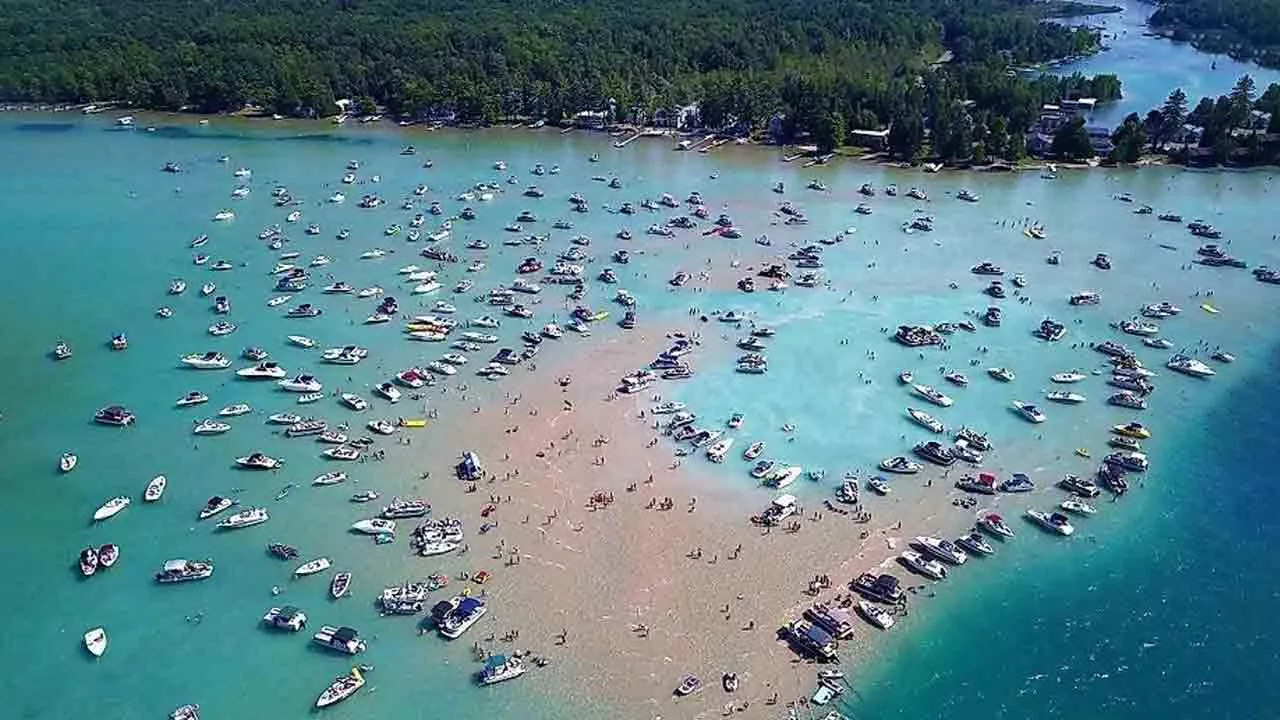
Crowned the deepest inland lake in Michigan, Torch Lake has developed a reputation as the ‘Caribbean of the North’ thanks to its clear turquoise waters. Although it is classed as an oligotrophic lake, its appearance is one to be desired due to the underlying calcium carbonate limestone submerged at the lake’s bottom.
The sandbar area of Torch Lake is a haven for friends and family looking to spend time on the lake. Visitors to Torch Lake’s sandbar can enjoy kayaking, boating, and swimming (its low phosphorus levels make it generally safe). It is, however, best to visit the lake just after sunrise to ensure you get the best view, free of any lingering boats.
- Why It’s Clean: Its oligotrophic status, low nutrient levels, and exceptional water clarity make it one of the cleanest lakes in Michigan.
- Best Things to Do: Swimming, boating, kayaking, paddleboarding, and relaxing at the famous Torch Lake Sandbar.
- Best Time to Visit: June through September for warm temperatures and ideal water conditions.
- What Makes It Unique: Its striking turquoise water has earned it the nickname “The Caribbean of the North.”
- Best For: Families, boaters, swimmers, and first-time visitors to Northern Michigan.
2. Higgins Lake (Roscommon County)
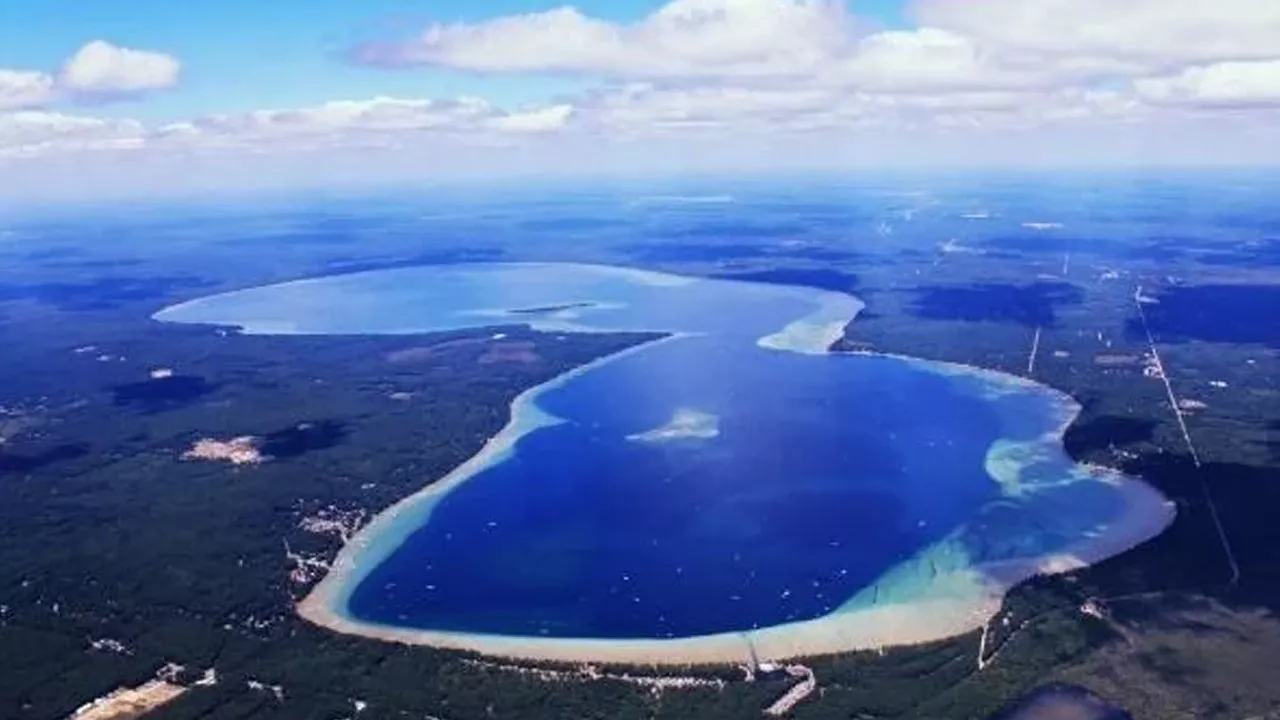
While Higgins Lake may have had its ‘prom queen’ crown taken by Torch Lake, it has still been dubbed as Michigan’s most beautiful lake to date. This lake has a reputation for being uncrowded, although MiCorps/CLMP data confirm that water quality has improved over the decades.
Naturally spring-fed, the lake has a north-south divide, leading visitors to believe the two sides are competing. They both, however, have protected shorelines, which have reduced their pollution index. Both sides also offer ample shopping & dining options, as well as activities such as fishing, paddleboarding, and camping. Spring and summer are the best seasons to visit and enjoy what this lake has to offer; however, autumn is recommended for those seeking a more peaceful experience.
- Why It’s Clean: Spring-fed water, minimal pollution, and consistently excellent clarity help Higgins Lake maintain its reputation as one of Michigan’s cleanest lakes.
- Best Things to Do: Swimming, paddleboarding, fishing, camping, and shoreline walks.
- Best Time to Visit: Late spring through early fall, with autumn offering fewer crowds and beautiful colors.
- What Makes It Unique: Frequently recognized as one of Michigan’s most beautiful and clearest inland lakes.
- Best For: Families, campers, anglers, and travelers seeking a quieter lake experience.
3. Crystal Lake (Benzie County)
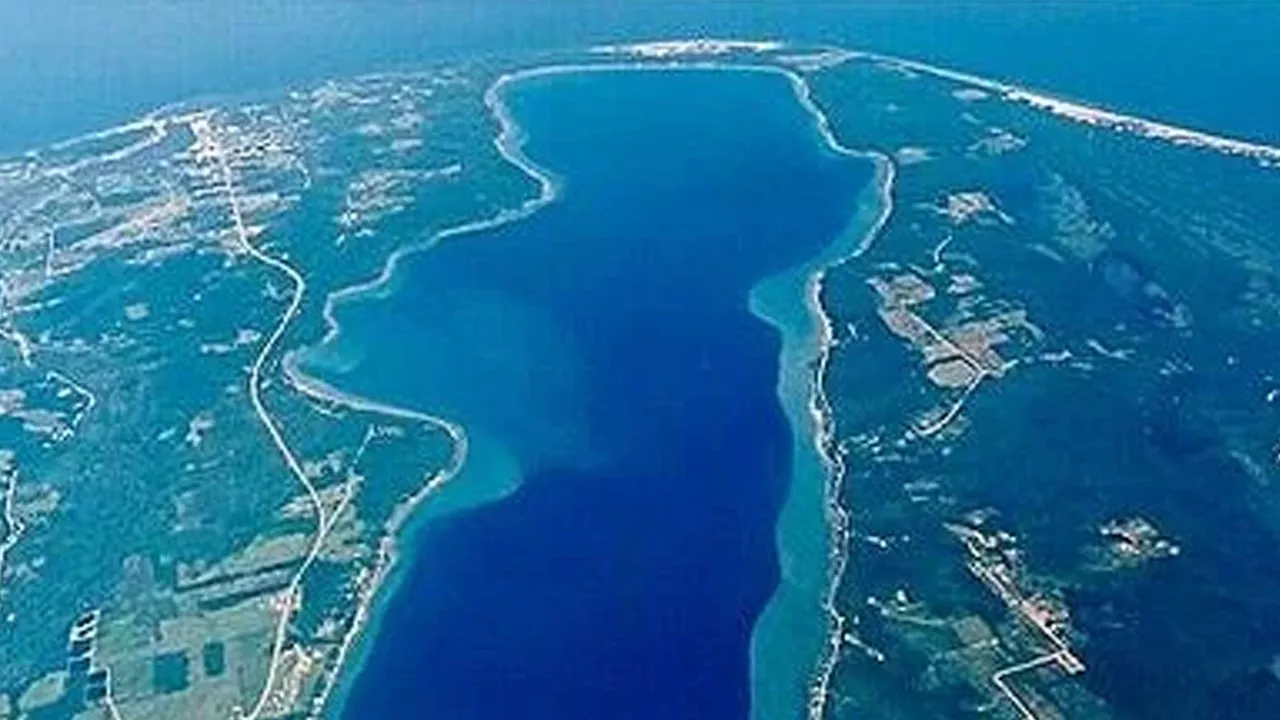
The clue to this lake’s appearance is in its name, given its crystal clear turquoise waters. This allows visitors to view the bottom of this lake at an average depth of 35 feet, according to the Cooperative Lakes Monitoring Programme’s 2025 data. It has a convenient location near Sleeping Bear Dunes National Lakeshore, where a natural runoff channel was previously formed as part of this lake’s watershed.
Situated to the east of Crystal Lake lies the charming village of Beulah. It is the perfect place for families to enjoy the best of this lake, especially young families. They can also engage in activities like water skiing, yachting, and paddleboarding. Families can also stay close to the lake at ‘Sunkissed Hills’ if they wish.
- Why It’s Clean: Crystal Lake’s low nutrient levels and remarkable visibility help preserve its crystal-clear water quality.
- Best Things to Do: Water skiing, boating, paddleboarding, swimming, and exploring nearby Beulah.
- Best Time to Visit: June through August for the best weather and water-based activities.
- What Makes It Unique: Visitors can often see deep into the water, with visibility reaching up to 35 feet in some areas.
- Best For: Water sports enthusiasts, families, and visitors exploring Sleeping Bear Dunes.
4. Glen Lake (Leelanau County)
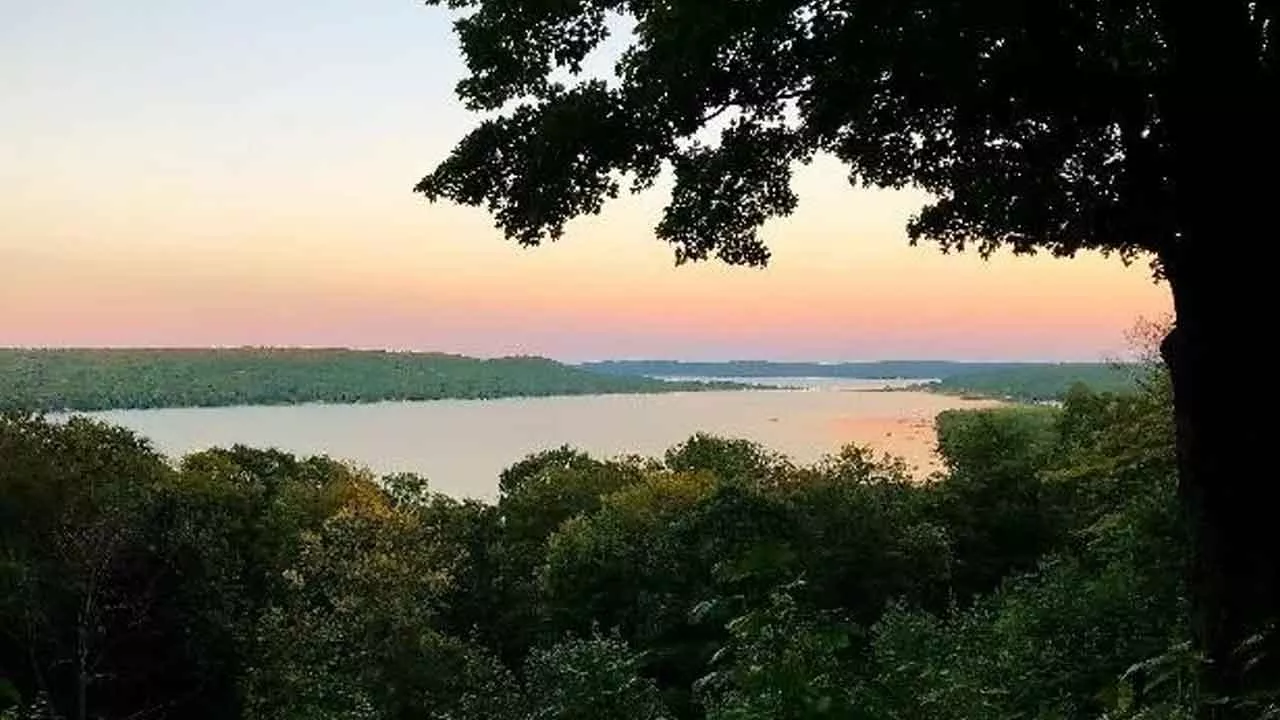
The indigenous Chippewa people once referred to this lake as ‘Majinabeesh’, which roughly translates as ‘sparkling water’. This makes sense given how much the waters sparkle during the day in both its Big and Little Glens. The Big Glen is confirmed to be deeper and clearer, while the Little Glen is shallower and also warmer.
With both glens located within the Sleeping Bear Dunes country, it’s thanks to the dunes’ protected watershed that the waters in both glens remain clear and unspoiled. This makes it suitable for activities like wild swimming and kayaking, but you can also stay on land for a spot of photography, given the area’s beautiful scenery. Glen Lake can be visited year-round, but it is most popular in the summer, when people flock to this lake to swim in its beautiful waters.
• Why It’s Clean: Crystal Lake’s low nutrient levels and remarkable visibility help preserve its crystal-clear water quality.
• Best Things to Do: Water skiing, boating, paddleboarding, swimming, and exploring nearby Beulah.
• Best Time to Visit: June through August for the best weather and water-based activities.
• What Makes It Unique: Visitors can often see deep into the water, with visibility reaching up to 35 feet in some areas.
• Best For: Water sports enthusiasts, families, and visitors exploring Sleeping Bear Dunes.
📍 Glen Lake Quick Snapshot
- Why It’s Clean: A protected watershed and limited environmental disturbance help maintain Glen Lake’s exceptional clarity.
- Best Things to Do: Swimming, kayaking, photography, boating, and exploring Sleeping Bear Dunes National Lakeshore.
- Best Time to Visit: Summer for swimming and boating, or autumn for scenic fall colors.
- What Makes It Unique: The lake’s sparkling blue water inspired its historic Chippewa name, “Majinabeesh.”
- Best For: Kayakers, photographers, nature lovers, and couples seeking scenic lake views.
5. Lake Michigan (Western Shoreline)
With Michigan to the east and Wisconsin to the west, Lake Michigan separates the two states and is the second-largest lake in the United States by volume. Michigan also touches four of the five Great Lakes, one of the more surprising things to know about America’s geography. The lake is also supported by the natural ecosystem of Sleeping Bear Dunes. Lake Michigan is monitored constantly by the Illinois Environmental Protection Agency in May, July, and September each year. The parameters for these checks include temperature, DO, pH, conductivity, and Secchi depth.
Its size can be admired on a dune hike, or you can sunbathe on the available beaches along the shoreline. Swimming is also allowed, but you should check the Michigan Beach Guard app for updated swimming safety advice. Late June through to early September is often the best time to visit Lake Michigan, but Autumn is recommended for fewer crowds and a calmer shoreline.
6. Mullett Lake (Cheboygan County)
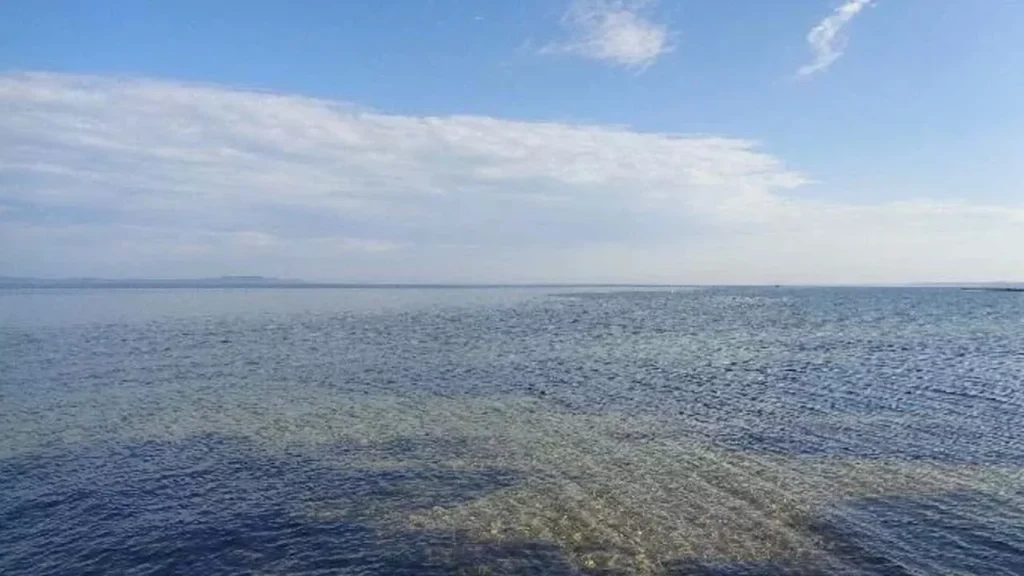
Mullett Lake is up there as one of Northern Michigan’s largest lakes. Albeit overlooked in the rankings of Michigan’s lakes, its waters are very clear, and they play host to a lively ecosystem. The lake itself lies on the border between oligotrophic and mesotrophic, but this does not mean that activities such as scuba diving, boating, and walleye/bass fishing are forbidden.
Mullett Lake is also the mouth of the Indian River, which flows from Burt Lake through Michigan. This creates the perfect opportunity to go kayaking from Mullett Lake through the Indian River. Alternatively, if you wish to view the lake from a higher elevation, you can visit one of its overlooks, such as Aloha State Park, which offers panoramic views.
7. Lake Huron (Eastern Shoreline)
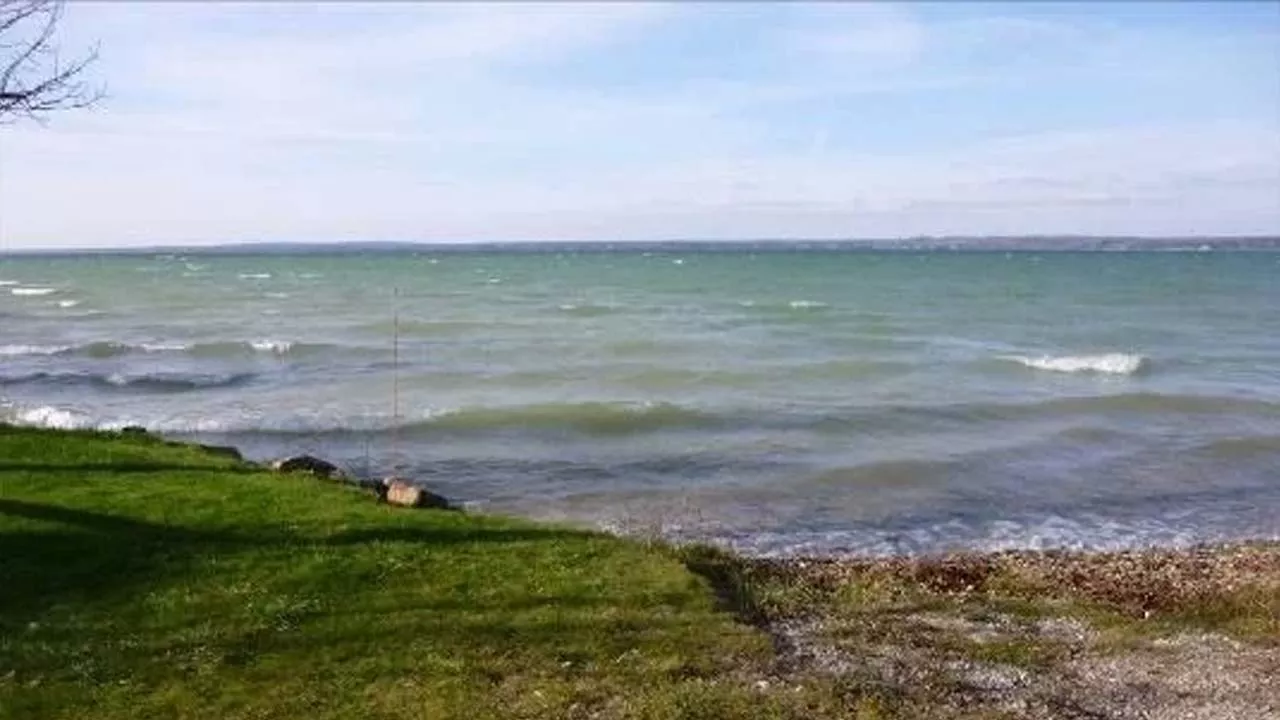
It is a privilege to be crowned as one of the USA’s great lakes, and Lake Huron will understand this feeling, being the second largest. Formerly known to French explorers as ‘La Mer Douce’, it is located on the USA/Canada border. The clarity of this lake’s turquoise waters is best viewed in Michigan’s Presque Isle County.
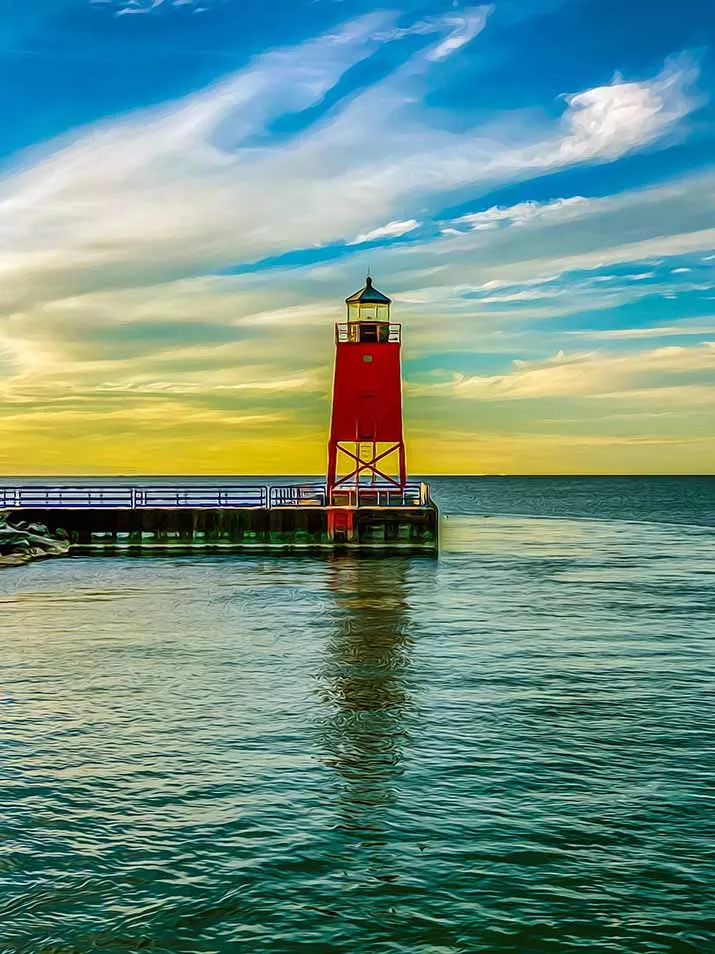
This lake is a must-visit for lighthouse fans, given that there is an abundance of these located along Lake Huron’s shoreline. Lighthouse touring is therefore a definite for those fans visiting this lake, with kayaking once again being an optional activity. May through September is typically the best time to visit Lake Huron, depending on whether you don’t mind the crowds. If you’re looking to avoid them, the autumnal months will be better for you.
8. Green Lake (Leelanau Peninsula)
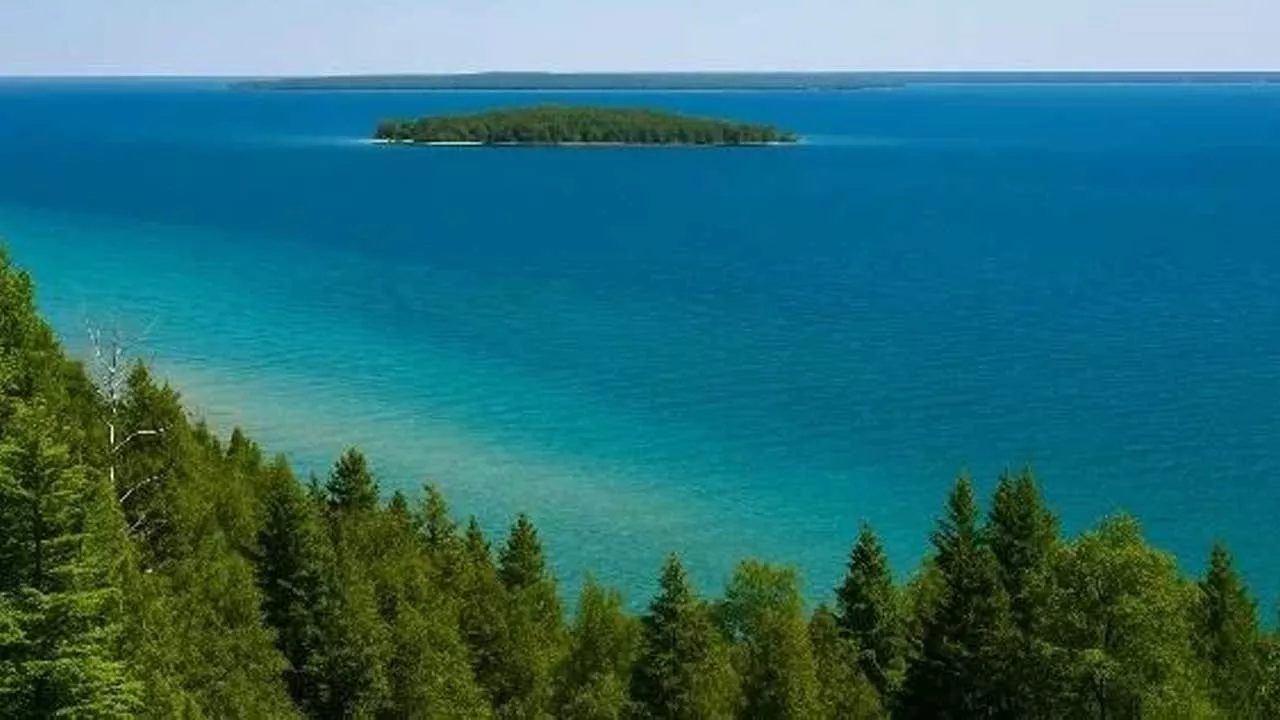
Green Lake is another deep lake based in Northern Michigan, and is described as the exact opposite of Torch Lake, given its tranquillity. The lake’s low nutrient levels and natural stratification during summertime keep it clear, effectively preventing potential algae blooms.
Green Lake falls within the Leelanau Peninsula wine country region, while being separated from its neighbour, Duck Lake, by the Interlochen State Park. The viticulture practices carried out here have very little contribution towards phosphorus runoff, which is a great benefit for this lake’s cleanliness. It is an ideal spot for wine-based activities and other relaxing pursuits, such as trout and bass fishing.
It is best to visit this lake between June and August, as even then, Green Lake will not get as busy as the heavily populated Torch Lake.
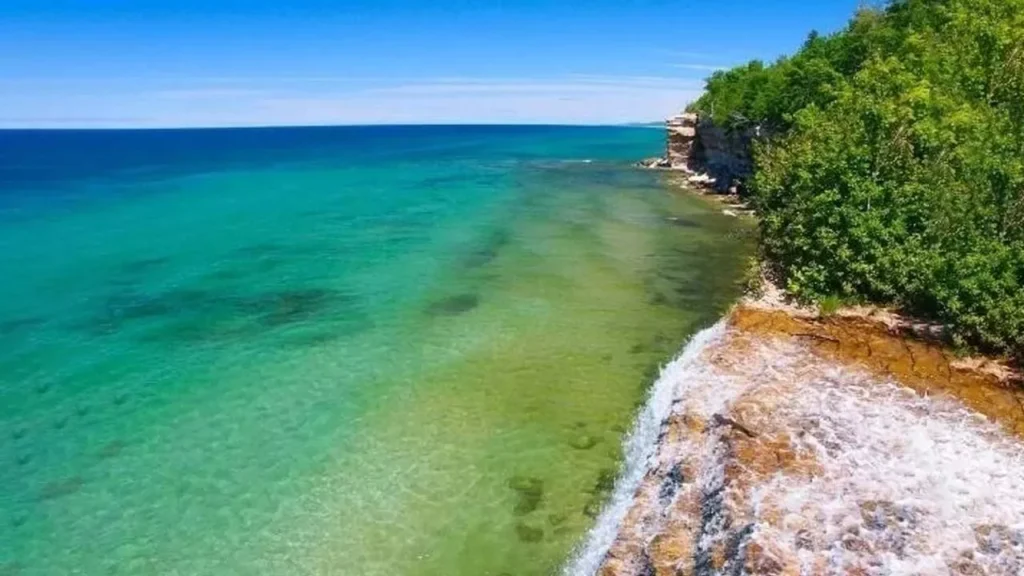
9. Lake Superior (Upper Peninsula)
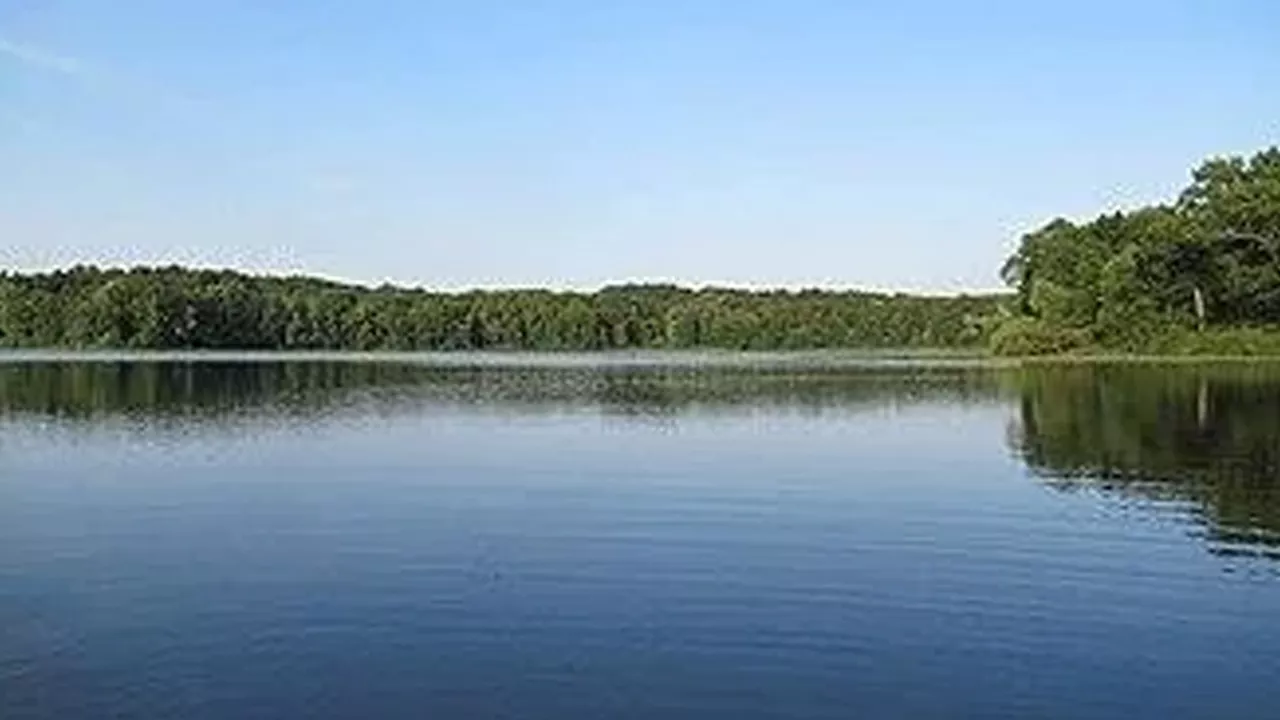
Rounding off this list is the largest freshwater lake in the world – Lake Superior. Similar to Lake Huron, it falls on the USA-Canadian border and has enough cubic miles of water to fill all the Great Lakes of the USA.
Due to Lake Superior’s oligotrophic features, it is easier to view its underwater world, with its average Secchi Disc depth of 27 feet. It can be easily compared to an inland sea, given that it can produce waves up to 30 feet high. While this sounds daunting, it doesn’t stop an estimated 3.5 million people from visiting it each year. There is a wide array of activities around this lake, including hiking trails and picturesque waterfalls, that can be enjoyed year-round.
So, What Makes a Michigan Lake Clean?
As briefly mentioned in the introduction, several measurements are conducted to ensure a lake is clean and free of lingering pollutants.
This includes the Carlson’s Trophic State Index, which is a measure used to classify bodies of water. A lake with a TSI of 0-40 is classed as an oligotrophic lake; any lake with a TSI of 40-60 is classed as a mesotrophic lake; a lake with a TSI of 60-100 is known as a Eutrophic lake. Put simply, the higher the TSI, the poorer the lake’s water quality.
We also have the Secchi Disk Depth measurement, which confirms the underwater visibility of Michigan’s lakes. This is where a disk is lowered into the lake to determine how deep visitors can see underwater. A lake of the highest clarity will have an underwater visibility depth of 10-40 metres or more. Anything between 2 and 10 metres is considered adequate in terms of visibility, and anything below 2 metres means poor visibility.
We then have the Total phosphorus & chlorophyll-a measurements, which indicate algal blooms. Samples from each lake are collected and tested to detect traces of active algal blooms and to determine how frequently they occur. An oligotrophic lake tends to have TP levels below 10 and chlorophyll levels below 2, indicating low algal abundance. Mesotrophic lakes then have TP levels between 10 and 20 and chlorophyll levels between 2 and 8. Finally, eutrophic lakes tend to have TP levels over 20 and chlorophyll levels of over 8.
Calcium carbonate sedimentary rocks form the turquoise colour of the lake’s water at the bottom of the lake. These mainly consist of limestone, which forms in marine environments such as lakes. Once formed, it combines with the calcium-rich body of water through evaporation. This, in turn, created the turquoise colour you normally see in a clean lake.
In 2018, the Department of Environment, Great Lakes, and Energy (EGLE) launched a Lake Water Clarity Dashboard for Michigan lakes. The objective of this was to collect data on a lake’s algae biomass, as well as its clarity and colouring, from 2018 to 2023. It provides in-depth insight into how Michigan lakes are becoming more productive, a trend that continues to be monitored today.
Additional work is also carried out by MiCorps’ Cooperative Lakes Monitoring Programme. This is where volunteers support the monitoring of a lake’s water quality and contribute to the best-quality data.
Frequently Asked Questions
Torch Lake is widely considered the cleanest lake in Michigan due to its exceptional water clarity, oligotrophic status, and low nutrient levels. It is also famous for its striking turquoise water, which has earned it the nickname “The Caribbean of the North.”
Torch Lake’s exceptional clarity comes from its oligotrophic status, low nutrient levels, limited algae growth, and calcium-rich limestone deposits that help create its famous turquoise appearance.
Yes. Most of the lakes featured in this guide are considered safe for swimming and other recreational activities. However, visitors should always check local water-quality advisories before entering the water.
Scientists evaluate lake cleanliness using several factors, including water clarity, nutrient levels, algae growth, phosphorus concentrations, and long-term monitoring data. Lakes with low nutrient levels and strong visibility are generally considered the cleanest.
The vivid blue and turquoise colours seen in lakes such as Torch Lake are often linked to exceptionally clear water, calcium-rich limestone deposits, and the way sunlight reflects through the water.
The majority of Michigan’s lakes tend to be tested weekly for levels of algal blooms, with some even being tested on a more regular basis.
The largest lake in the state of Michigan is Lake Michigan itself. It’s perfect for a day trip and offers plenty to do on and around the lake.
The most common time to visit the lakes in Michigan is during the spring and summer months. It will mean blending in with heavy crowds, but the weather for visiting them will be perfect. For fewer crowds, you can visit these lakes during autumn time.
Related Guide: How Many Natural Lakes Are in Texas