What Is Italy Known For? History, Food, Art & Culture
If you’re a foodie, the mere mention of Italy will likely make you think of pizza or gelato. However, cuisine is just one aspect of Italy’s global fame. History enthusiasts may think of the Roman ruins, movie buffs may associate it with Cinecittà film studios, and romantics may dream of Venice gondola rides.
But while most people know about the Roman Forum and the Trevi Fountain, many may not realize the importance of these places and what makes them worthy of your time. This guide explores what makes Italy stand out.
How we Curate This Guide
Ana Marković combines her own travels in Italy with additional research for this guide. Her firsthand observations include experiences in Rome and Vatican City, visits to the Colosseum, Roman Forum, Pantheon, Trevi Fountain and Vatican Museums, climbing St. Peter’s Dome, and spending time along the coast near Rome. Her original photographs are used where available.
For the wider sections covering Italian history, regional food, architecture, transport, coastlines and cultural traditions, the Wanderlust Craze editorial team checks factual and practical details against official tourism, museum, transport and other authoritative sources. Time-sensitive information such as admission rules, access arrangements and visitor fees is reviewed separately because these details can change.
What Is Italy Best Known For?
Italy is best known for its Roman and Renaissance history, world-famous food, art and architecture, cities such as Rome, Florence and Venice, Mediterranean coastlines, fashion and design, luxury cars, and coffee culture.
| Italy Is Known For | Where to Experience It |
|---|---|
| Ancient architecture | Rome |
| Renaissance art | Florence |
| Canals and gondolas | Venice |
| Fashion and design | Milan |
| Pizza | Naples |
| Cinema | Rome, Venice |
Ancient Rome and the Roman Empire
Italy’s cultural and historical depth is unrivaled. The country’s major cities like Rome and Florence offer more landmarks than we have room to show.
The Colosseum and the Roman Forum
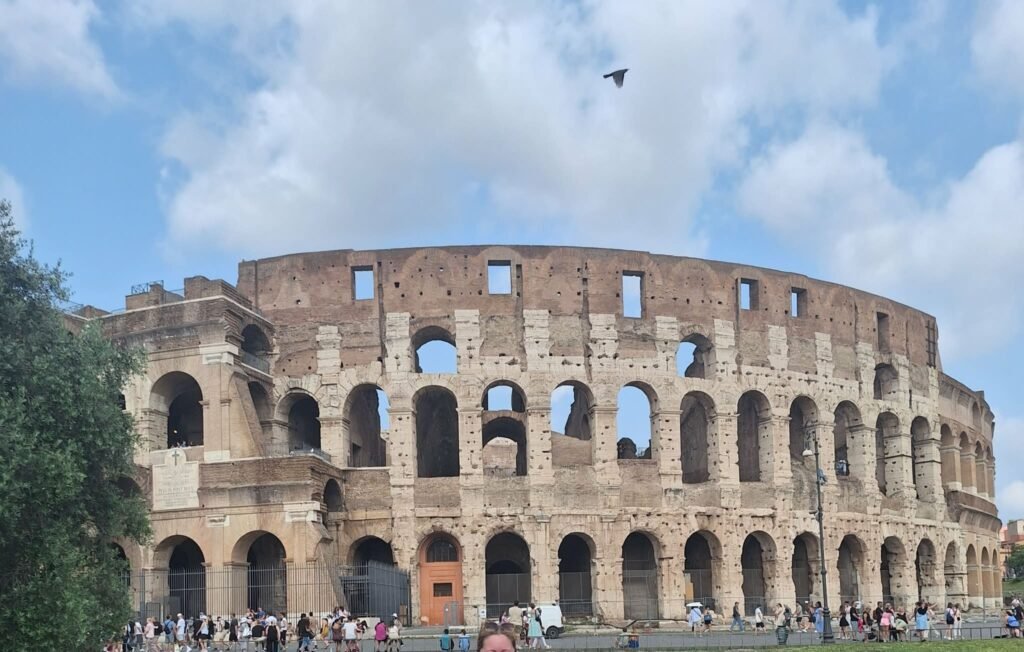
Rome is home to the Colosseum and the Roman Forum, which are some of the most significant remnants of the ancient empire. The Colosseum is the largest amphitheater in the world and one of the most recognizable man-made wonders of the world. It’s quite impressive even if you just look at it from afar, but I wanted to explore its underground passages. It was thrilling to see where gladiators and animals were kept before it was time to go out and entertain the emperor and the masses.
From the Colosseum (which is easily reachable via metro Line B), the Roman Forum is just a 10-minute walk. The Forum was the political and religious center of ancient Rome. As much as I liked the Colosseum, I felt that the Roman Forum provided a richer experience thanks to its diverse, well-preserved structures.
I particularly enjoyed the Senate House commissioned by Julius Caesar and the Temple of Romulus with its original, fourth-century bronze doors.
Travel tip: If visiting, you can get a bundled ticket that gives you entry to the Colosseum and the Roman Forum. Be sure to book your ticket online through the official site only (avoid salesmen in front of the landmarks).
Renaissance Art and World-Class Museums
You can explore amazing museums throughout Italy, but Rome and Florence are special. Here’s why.
The Vatican Museums
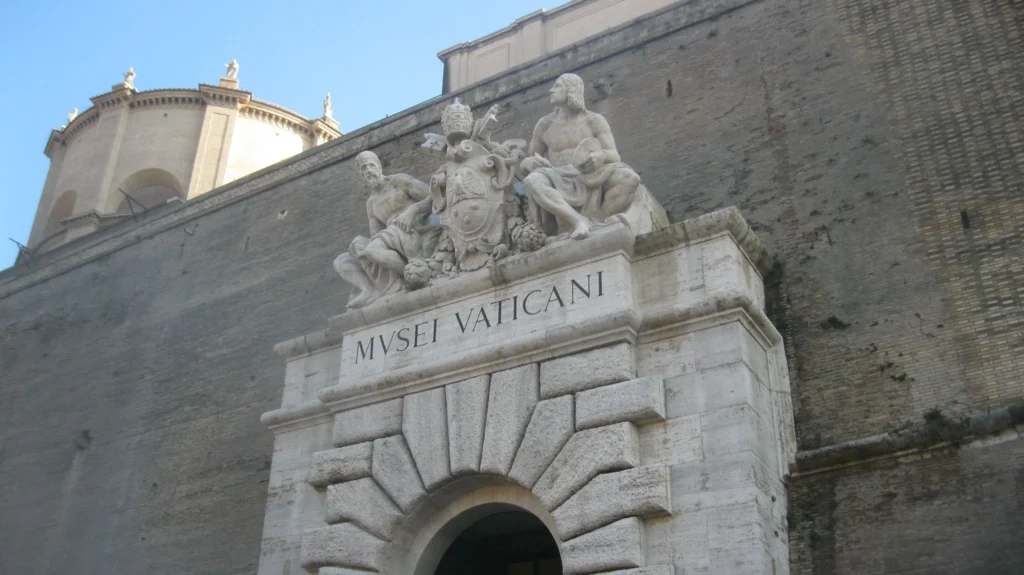
The Vatican Museums include a huge complex that houses a range of art collections, from Egyptian sculptures to 20th-century paintings. Be ready to spare a few hours to properly explore the museums. The frescoes of the Raphael Rooms and the Sistine Chapel are truly marvelous, but it’s important to be patient as these rooms get particularly crowded. It’s also important to remember that it’s forbidden to take photos inside the Sistine Chapel.
Some of my other highlights include the Gallery of the Tapestries and Pinacoteca, where you can marvel at the works of Tiziano and Caravaggio. St.
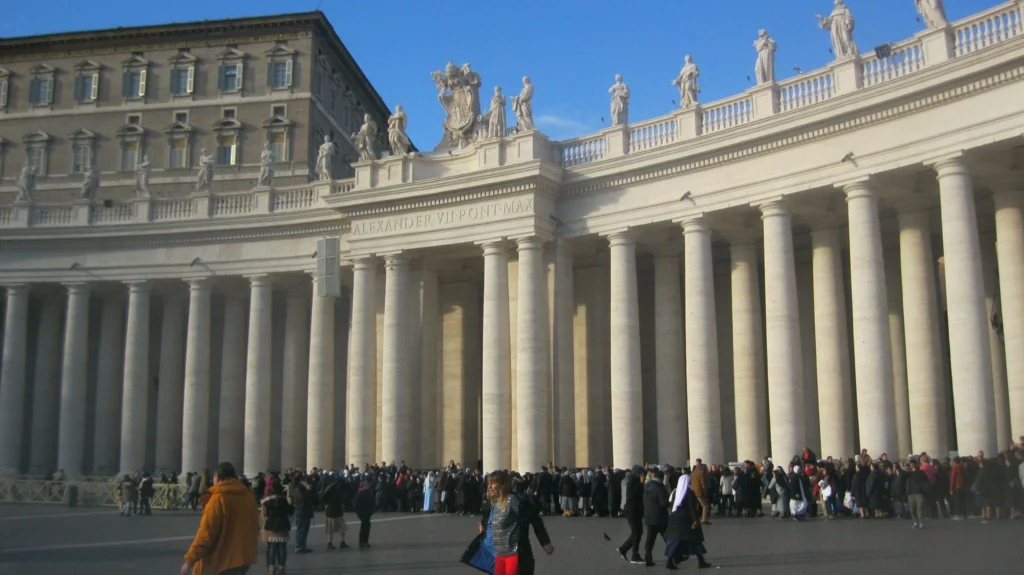
Some authorised guided tours may include direct access toward St. Peter’s Basilica, but arrangements can change, so check the exact tour conditions when booking. If you’re visiting the Basilica separately, be sure to come as early as possible and expect long lines. While the entire church is enchanting, I couldn’t take my eyes off Bernini’s Baldacchino, a bronze canopy under the central dome that marks the location of St. Peter’s tomb directly below.
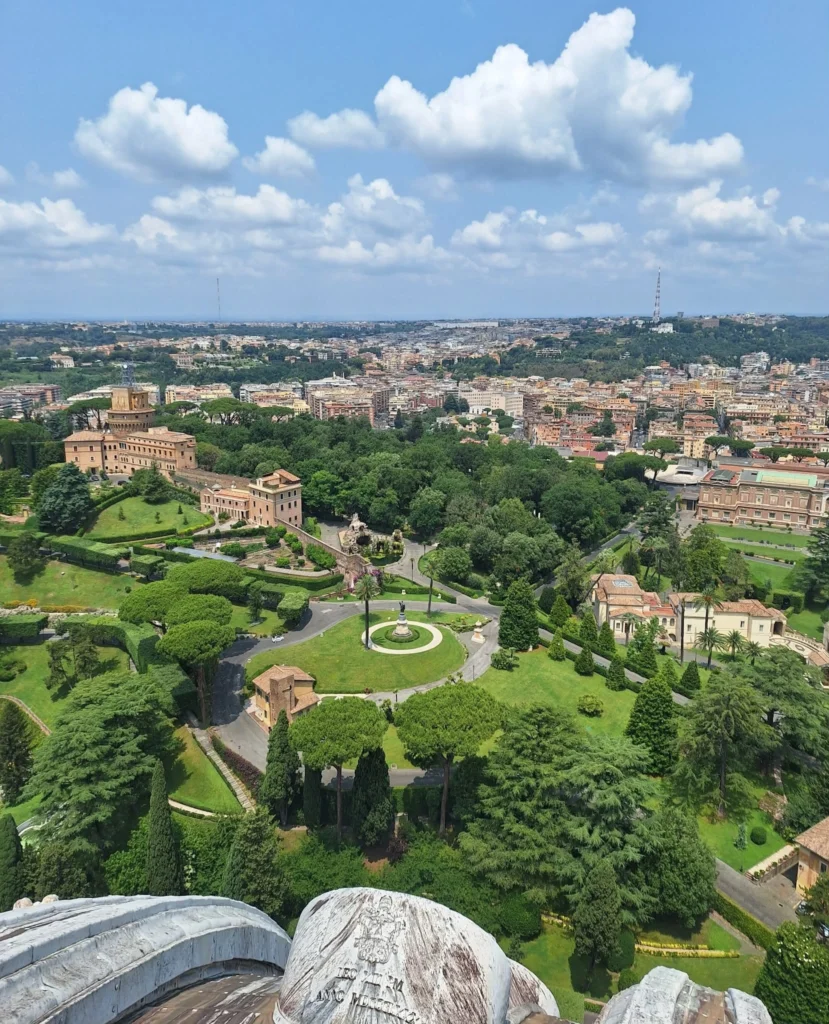
You can also get a paid pass to climb the Dome (551 steps). You can skip the first 231 steps by using an elevator (I did), but the majority has to be done on foot. The space gets narrower as you climb up, which adds to the challenge. While I did feel a bit tired at the top, the view was worth it.
The Uffizi Gallery
From Rome, Florence is just a short train ride away (1h 30 min), and if you’re a fan of Renaissance art, you shouldn’t miss visiting the Uffizi Gallery. It’s a 16th-century palace that served as administrative offices for the Medici family, hence the name Uffizi. It eventually evolved into one of the most famous European art museums with an exquisite collection of works from artists such as Botticelli, Michelangelo, and Leonardo da Vinci.
While art is the focus, if visiting, don’t forget to look out the window. You’ll get a great view of the Arno River and Ponte Vecchio, the city’s oldest bridge.
Iconic Cities and Architecture
Italy has a diverse architectural landscape spanning from ancient Roman to Gothic and Baroque styles. Here are some of the most striking examples.
Rome
Walking around Rome feels like you’re discovering a piece of history with every step. At the very heart of the historic center of Rome is the Pantheon, a temple dedicated to all former, present, and future deities. Its concrete grandeur symbolizes ancient Roman architecture, much like the Colosseum. I visited the Pantheon in the afternoon, which is not the best time if you want to avoid crowds (early morning is your best bet). Still, I was able to enjoy its famous dome, the largest unreinforced concrete dome in the world.
After the Pantheon, I walked down the city center’s romantic narrow streets to reach the Trevi Fountain (10-minute walk) and see an iconic piece of Baroque architecture. According to the lore, the fountain represents the power to tame waters, with stone statues of Oceanus (god of the sea) and his horses at the front and the statues of Abundance and Salubrity (health) on the sides. The fountain is supplied by Aqua Virgo, one of Rome’s oldest aqueducts, which has been operating for over 2,000 years.
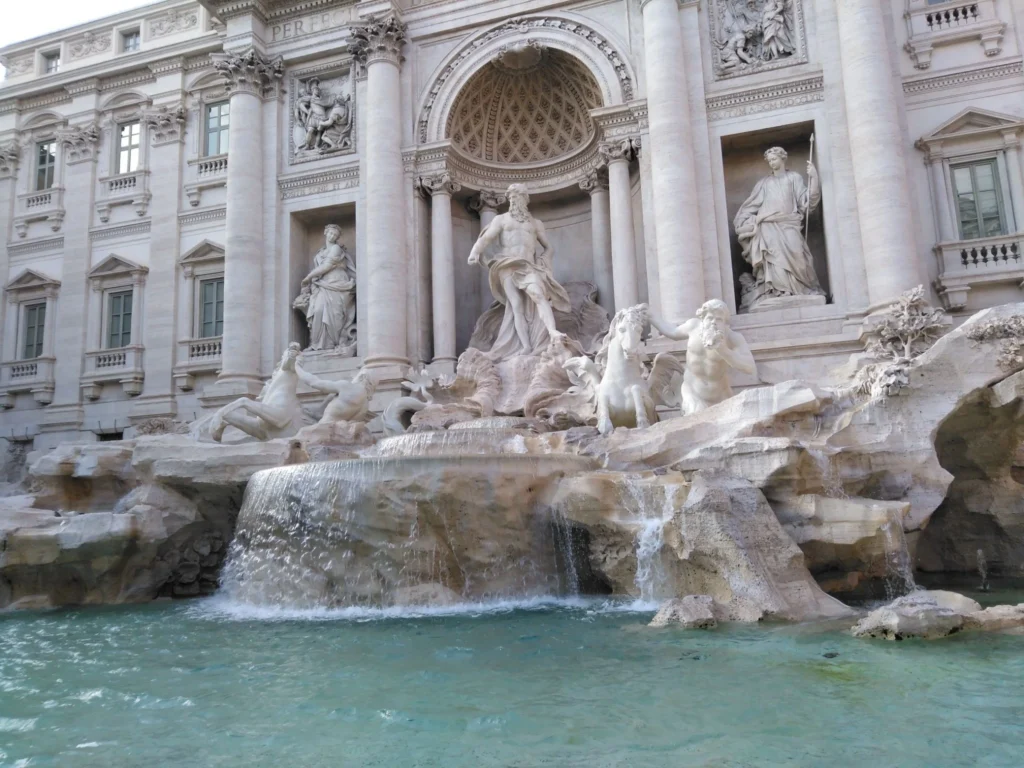
Like with the Pantheon, it’s best to come in the morning. I managed to take a photo near the water with very few people around me! While you can watch the fountain from the square for free, starting from 2026, access to the lower water basin costs 2 euros for tourists and non-residents.
If visiting, you can take part in a travel tradition. Throw a coin over your left shoulder using your right hand with your back turned to the fountain. According to legend, this ensures you’ll return to Rome.
Florence
From Rome, Florence is just a short train ride away (1h 30 min). Enclosed within medieval walls, Florence’s historic city center is compact, allowing you to easily reach major architectural landmarks. You can start with the central square, Piazza del Duomo, and admire the 15th-century Cathedral of Santa Maria del Fiore, the third-largest church in Europe. Then, move on to Palazzo Vecchio at the Piazza della Signoria (which is also the social life hub).
If you look above Ponte Vecchio, you’ll see the Vasari Corridor, a passageway designed for the Medici to reach their residence of Palazzo Pitti, now a series of museums. Once you’re done exploring, relax and recharge at the Boboli Gardens next to the palace.
Venice
Instead of roads, the dreamy city of Venice is built on over 100 islands and connected by a network of 400+ canals, most notably the Grand Canal. The heart of the city is St. Mark’s Square with its famous bell tower. From there, you can easily reach the stunning Doge’s Palace, the historic government seat that mixes Gothic architecture with Mediterranean influences.
The Bridge of Sighs is another iconic landmark, connecting the Doge’s Palace with old prisons. Still, the main star is Rialto Bridge, the oldest bridge that spans the Grand Canal, recognizable for its dual ramps.
For a classic, romantic Venice sightseeing experience, you can take a gondola. However, if you just need to cross the Grand Canal, traghetto is a stripped-down, cheaper type of gondola designed to quickly take you from one side of the canal to the other. For daily commuting, you can also use the water bus (vaporetto). They run along the Grand Canal and connect major stops throughout the city and surrounding islands, including Murano, Burano, Torcello, and Lido.
Pisa
Pisa is a city in the Tuscany region (1-hour train ride from Florence), famous for its Leaning Tower. During its construction in 1178, the tower’s foundation started to sink on one side, causing the tilt. Nonetheless, it survived major earthquakes and remains stable to this day thanks to modern technology.
The tower is located at the Piazza dei Miracoli, together with several captivating landmarks: the Pisa Cathedral, the Baptistery of St. John, and the Monumental Cemetery of Pisa. The entire square was designated as a UNESCO World Heritage Site.
If you want to get to know Pisa beyond the Leaning Tower, you can explore the city’s botanical garden (a short walk from the main square). It’s the first university garden in the world. You can also marvel at the Gothic facade of the Church of the Spina di Pisa or visit Cinema Lumière, a former cinema dating back to 1905 that was turned into a live music and arts space.
These destinations are just a few of the highlights. For more travel inspiration, explore our guide to the best cities to visit in Italy.
Italian Food and Regional Cuisine
While pizza and gelato are probably the most famous Italian food exports, every region has its own signature dish.
The History of Pizza
The modern pizza was invented in Naples in the late 18th century. It was the food of the working class, something cheap and quick: flatbreads topped with lard, garlic, salt, or cheese.
Due to its association with the poverty of the laborers, pizza was often presented in a negative light. However, this changed in 1889, when Queen Margherita of Savoy and King Umberto I visited Naples. The pair was reportedly tired of the complicated French dishes, so the chef prepared them something simple. It was a pizza with tomatoes, mozzarella, and basil. The Queen loved it, so the meal was named pizza margherita in her honour.
Though I recognize the importance of pizza’s original design and taste, I have to admit I prefer mine with ketchup and mayo, something that’s considered outrageous by my Italian friends.
The Simplicity of Gelato
Though the first iterations of gelato go as far as Mesopotamia, the creamy gelato as we know it developed during the Renaissance period in Florence. Today, you can enjoy an array of flavors, but there are some things to pay attention to in order to be able to spot a real gelateria (gelato artigianale).
From what I’ve learned during my time in Italy, authentic shops keep gelato hidden (or semi-hidden) under metal tins to protect it from light, air, and changes in temperature. Also, the colors on real gelato won’t be too vivid. Pistachio has an olive green color, while banana is more white-ish than yellow.
Regional Dishes
Italy is a country of culinary inventions, but regional flavors and preferences differ. Northern Italy generally favors butter and rice, while in central regions meat and egg pasta dominate menus. In the south, you should try sun-drenched tomatoes and fresh seafood. Also, Sicily is the birthplace of cannoli. It’s a tube-shaped pastry filled with a mix of creamy cheese that was originally made for the festive season.
Here are some signature regional dishes we recommend:
| Dish | Main Ingredients | Where to Try It |
|---|---|---|
| Risotto alla Milanese | Rice, saffron, stock, butter, and parmesan | Lombardy (north) |
| Bistecca alla Fiorentina | Grilled steak with black pepper and olive oil | Tuscany (central) |
| Orecchiette con Cime di Rapa | Ear-shaped pasta with turnip or broccoli | Puglia (south) |
During my time in Rome, I learned that, in restaurants, pasta carbonara is king. However, I prefer amatriciana, pasta with tomato, guanciale (cured pork cheek), and pecorino cheese. It’s rich in flavors while taking it easy on your stomach.
One thing to bear in mind is that Italian restaurants may have a cover charge (coperto), a per-person fee that restaurants must list on the menu. It covers service, table settings, and bread, usually ranging from 1 to 4 euros. Since the cover charge is mandatory where applied, tipping is optional.
If you want to explore more traditional dishes, check out our guide to the best food in Italy for regional specialties and local favorites.
Coastlines and Mediterranean Landscapes
Italy may not be your typical seaside destination, but its coastal regions showcase unique geography combined with culinary and cultural spirit.
The Amalfi Coast
This stretch of coast in the southern region of Campania is known for its vertical cliffs and pastel-colored villages. The city of Positano offers lively beaches, while the towns of Maiori and Minori have pebbles and sand, if you’d rather avoid cliffside steps to reach the water.
This region is also famous for producing sfusato amalfitano lemons, the base of traditional limoncello.
Sicily
Sicily didn’t just provide the backdrop for Francis Ford Coppola’s “The Godfather” trilogy. It’s the largest island in the Mediterranean and home to Greek temples. It’s also home to Mount Etna, the largest active volcano in Europe and one of the highest, as eruptions affect its height.
Though famous beach spots in Sicily (such as Taormina) can be quite expensive, beaches like Scala dei Turchi and San Vito Lo Capo have free zones that are equally beautiful.
Beaches Near Rome
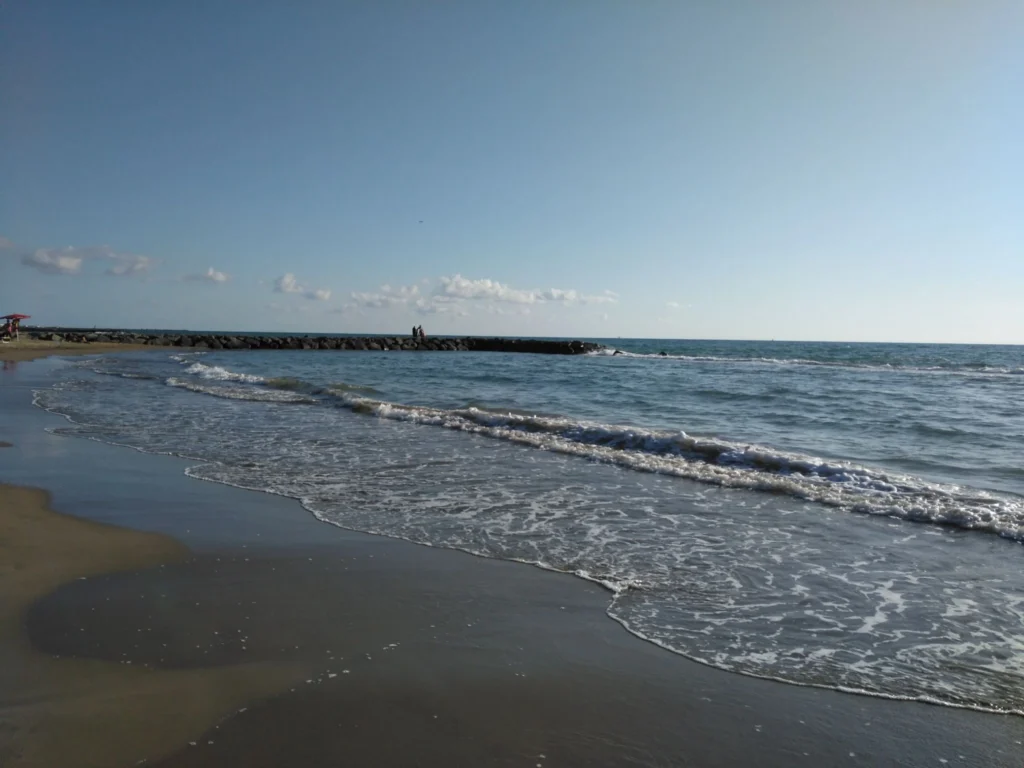
If you’re visiting Rome, it doesn’t mean you have to give up on going to the beach. Ostia is a vibrant city beach that’s accessible via the Metromare railway, operated by Cotral (30-minute ride). I enjoyed relaxing on dark sand, then exploring the boardwalk scene with gelaterias. If you want to mix it with cultural exploration, you can visit the nearby archaeological site of Ostia Antica.
Torvaianica is a slightly further (around 40 kilometers from Rome) and quieter alternative, but it’s an excellent choice for swimming and escaping crowds. While you can reach it using a combination of metro and bus services, it’s fastest to drive. There are plenty of restaurants along the seafront, which I’d recommend for trying seafood.
Cinque Terre
This area consists of five fishing villages on the Italian Riviera in Liguria, one of Italy’s northern regions. The villages are connected with a network of coastal and mountain hiking trails. While most of the trails are free, you’ll need a ticket (Cinque Terre Card) for Monterosso – Vernazza, Vernazza – Corniglia, and the Via dell’Amore routes.
Cinque Terre sits within Liguria, the region famous for pesto Genovese and focaccia.
For more seaside destinations, explore our guide to the best coastal cities in Italy.
Fashion, Design, and Italian Cars
Though iconic brands like Gucci and Prada emerged in the early 20th century, Italy became a true fashion force after World War II, when financial aid from the U.S. amplified the production of raw materials such as leather. The first Italian fashion shows held in Florence presented the fine craftsmanship of Italian designers and established the “Made in Italy” concept, which signifies quality recognized worldwide.
Over decades, Milan took over from Florence and Rome as the fashion capital. The styles evolved, from Armani’s minimalist approach to Versace’s bold prints. Today, brands like Liu Jo and Piazza Italia offer more accessible fashion. You can hit the shopping streets throughout the country and find something that suits your style.
As per the famous apparel brand Oscalito, elegance in Italy doesn’t only pertain to clothes. It’s a way of life that’s reflected in design, combining beauty and function. The Italian car industry is a great example. It all started in the 19th century in Turin with FIAT and developed with racing-oriented Alfa Romeo. However, it was luxury brands like Ferrari and Lamborghini handcrafting high-performance supercars that cemented Italy’s status as an automotive powerhouse.
If you’re a car enthusiast, the Emilia-Romagna region should be at the top of your list. It’s the home of the Motor Valley, an area stretching across Parma, Bologna, Modena, and Rimini. You can visit factories and museums dedicated to the works of Ferrari, Maserati, Lamborghini, and Pagani, among others.
Coffee, Aperitivo and Everyday Traditions
Italians like to take it slow, which can be seen in their daily habits.
Coffee Culture
Drinking coffee in Italy is a social ritual, but regional habits differ. In many Italian bars (“bar” signifies a cafe), people tend to drink their coffee al banco (standing up at the counter). It’s faster and cheaper. If you want to sit, you can expect to pay for table service.
Milk-heavy coffees such as cappuccino are traditionally associated with breakfast, although you shouldn’t treat this as a strict prohibition if visiting. If you order these drinks post-breakfast, you may get a confused look from the barista.
Aperitivo and Late Dinner
Aperitivo is an Italian pre-dinner habit that typically occurs between 6 pm and 8 pm. You gather with friends at cafes (or at home) and stimulate your appetite before dinner by having a drink. Though you can have a non-alcoholic drink, the typical ones include Aperol Spritz, Campari, and local wine.
Italians also don’t rush dinner. In households and restaurants, it’s common to sit down for dinner after 8 pm (something to bear in mind if you’re used to early dinner).
Cinema, Opera, and Modern Italian Culture
Film and music are a huge part of modern Italian culture.
Cinecittà
Cinecittà, meaning “Cinema City,” is a massive film studio complex in Rome, the largest one in Europe. It flourished during the 1950s and the 1960s, with American studios renting it to shoot classics like “Ben-Hur” and “Cleopatra.” It was also a creative hub for Italian directors like Federico Fellini and the place where “La Dolce Vita” was filmed. Today, the studios are more oriented toward television series (“Young Pope”).
If you’re into Italian cinema and the studios’ work, you’ll enjoy Cinecittà si Mostra. It’s an exhibition dedicated to different aspects of Cinecittà’s history, from famous domestic and international productions to areas dedicated to film crafts, such as screenwriting and visual effects.
Opera
The beginnings of Italian opera go back to the late 16th and early 17th century, though the genre flourished during the bel canto (beautiful singing) era in the 19th century. Gioachino Rossini was the master of comedy with works like The Barber of Seville, while composers like Giacomo Puccini and Giuseppe Verdi featured emotional themes and tragic heroines in operas like La Bohème, Madame Butterfly, La Traviata, and Rigoletto.
Today, each of these composers has their own opera festival in their respective birthplaces. You can enjoy the staging of your choice and, while you’re at it, explore the local area.
Modern Music and Film Festivals
Sanremo is probably the most famous Italian festival/song contest that cast light on talents like Andrea Bocelli. However, Italy has diverse music festivals suitable for every taste. If you like jazz, funk, and soul, head to Umbria Jazz Festival in Perugia. Or, if you’re more into major pop/rock acts, festivals like Firenze Rocks, Rock in Roma, and I-Days Milano are worth considering. On the other hand, if you’d rather have something more traditional, you can visit summer music festivals in Italian villages.
There’s no discussing modern Italian culture without mentioning the Venice International Film Festival. It’s the oldest film festival in the world, taking place in Lido di Venezia and presenting top-class films that marked the year. If you visit Venice in September, you may catch a glimpse of your favorite actors or directors.
Chi Va Piano, Va Sano e Va Lontano
This Italian saying translates to “He who goes slowly, goes safely and goes far.” Italy has an immensely rich history and culture, making it impossible to see everything in one go. If you decide to visit, remember to set priorities and take it slow. Savor your meals and explore beyond the obvious.
FAQ’s
Italy has a rich cultural heritage. It’s famous for its cuisine, ancient architecture, Renaissance art, fashion, automotive industry, and cinema history.
Northern regions like Lombardia (Milan) are known as the fashion hub, while Veneto (Venice) is known for gondolas and Gothic architecture. Liguria is famous for cliffside villages like Cinque Terre and pesto Genovese.
Central Italy (Tuscany, Lazio) is known for Renaissance art, ancient Rome, and Roman pasta dishes like carbonara. Southern Italy is recognizable for beautiful coastal stretches like the Amalfi Coast and the birthplace of pizza (Naples). Islands like Sicily are known for Mount Etna and culinary favorites like cannoli.
Pizza and pasta are Italy’s best-known foods internationally, but regional cooking is much more varied. Naples is closely associated with pizza, Rome with dishes such as carbonara and amatriciana, Lombardy with risotto, and Sicily with sweets such as cannoli. Trying local specialties is often the best way to notice how much Italian cuisine changes from one region to another.
Rome is a strong starting point if you want to combine ancient history, major landmarks, museums, and everyday city life in one trip. Florence is particularly rewarding for Renaissance art, while Venice offers a completely different experience built around canals and historic architecture. The best choice really depends on what interests you most.
Both are central to Italy’s global identity. Its Roman past and Renaissance heritage shaped European history and art, while Italian food became one of the country’s most recognizable cultural exports. In practice, the two often overlap, since regional traditions, architecture, and cuisine are closely connected.