Best Time to Visit Mormanno, Calabria: A Local’s Seasonal Guide
After more than a decade living in Mormanno, I’ve learned that the best time to visit this little Calabrian mountain town depends on what you’re hoping to experience. Some months bring lively celebrations and families returning home for the holidays. Others are so quiet that you might wonder where everybody went.
Personally, I’d recommend summer for a first visit, although September is my favorite month for enjoying the outdoors without dealing with the crowds or intense heat.
Here’s what Mormanno is really like throughout the year, including the weather, local traditions and practical details I’ve picked up while raising my family here.
Spring in Mormanno (March–May): A Slow Return to Outdoor Life
Spring arrives gradually in Mormanno. Don’t expect consistently warm weather just because the calendar says March. In my experience, it can remain chilly well into May, and sometimes we don’t get reliably warm days until June.
As temperatures improve, people begin gathering outdoors again. You’ll see more neighbors chatting, families taking walks and children spending time outside.
March through May is generally quieter than summer, but that doesn’t mean there’s nothing happening.
On March 19, Mormanno traditionally celebrates the Feast of San Giuseppe with u cummitu, a communal meal featuring dishes such as pasta with chickpeas, followed by neighborhood bonfires called fagone.
Another spring tradition is the Madonna della Catena celebration, which includes a procession and an outdoor gathering near the sanctuary in late May.
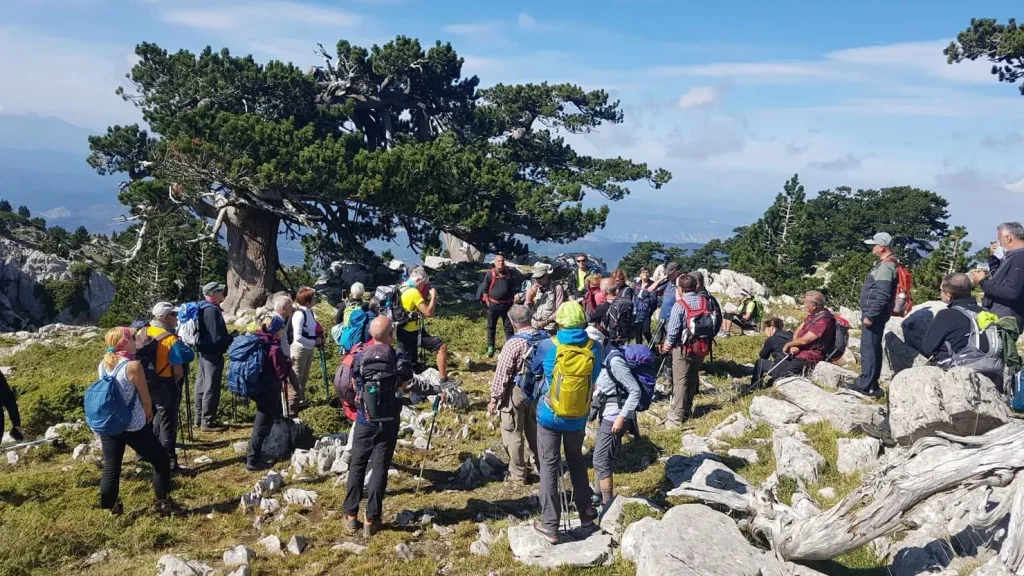
Spring is also a pleasant time for walking around town and enjoying the greenery of Pollino National Park. I’d bring layers and a waterproof jacket, though. The weather can still be unpredictable.
Summer in Mormanno (June–August): Festivals, Families and Plenty of Activity
Summer is when Mormanno becomes noticeably livelier.
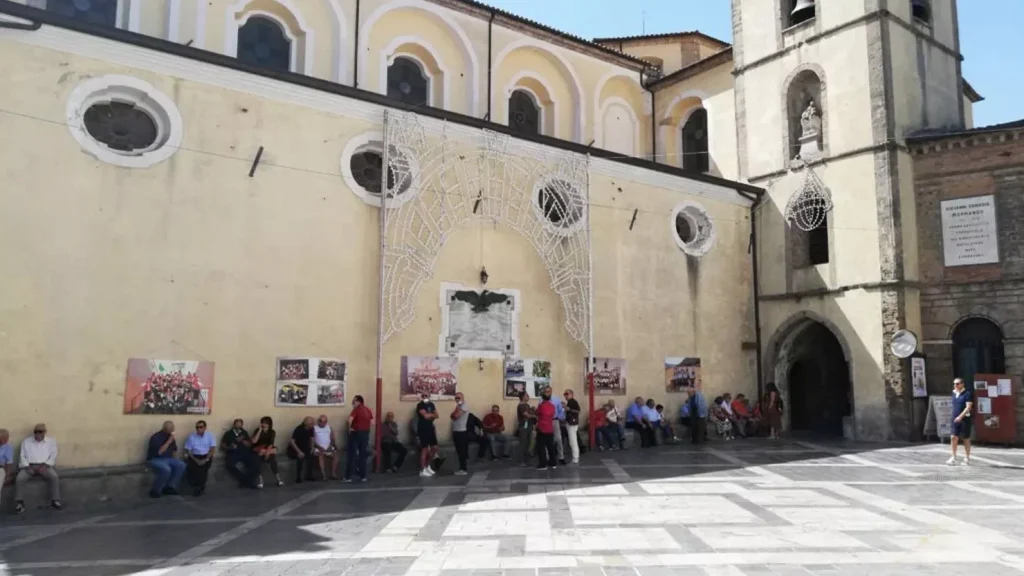
Families who have moved away return to visit relatives, particularly around Ferragosto on August 15. The streets get busier, children spend more time outdoors and the town organizes celebrations and entertainment.
One of my favorite memories is attending Notte Bianca, a summer celebration filled with music, dancing, street food and children’s activities. It was also my daughter’s birthday, which made the evening especially memorable for our family.
Summer is particularly enjoyable for children because there are organized activities and camps offering experiences such as swimming, hiking, outdoor workshops and other recreational programs. Folklore performances and community events add to the atmosphere.
However, I should warn you that summers have become extremely hot in recent years. We’ve experienced days when the heat was so uncomfortable that staying indoors during the afternoon was the sensible choice.
For outdoor activities, I’d recommend early mornings or evenings rather than the hottest hours of the day.
Summer is also an excellent time to combine a mountain vacation with a trip to the coast. Scalea is one of our family’s favorite beach destinations, and I’ve shared our experiences in my guide to the best things to do in Scalea.
If you want to experience Mormanno at its most social and energetic, summer is the season I’d choose.
Autumn in Mormanno (September–November): Beautiful Scenery and Rainy Days
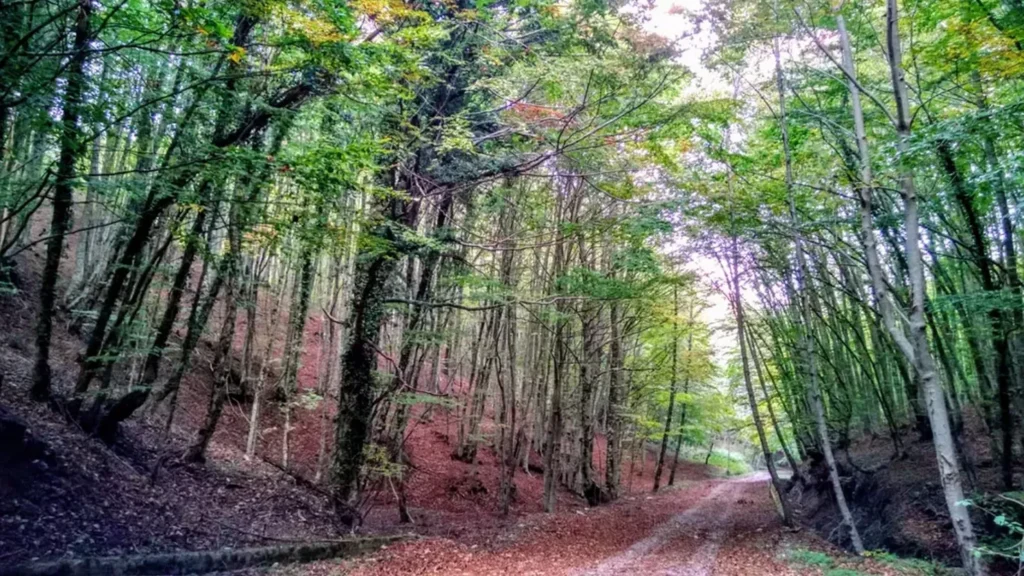
September is probably my favorite month for enjoying Mormanno’s natural surroundings.
The weather is usually comfortable, the summer crowds begin disappearing and there’s still enough activity around town to keep things interesting.
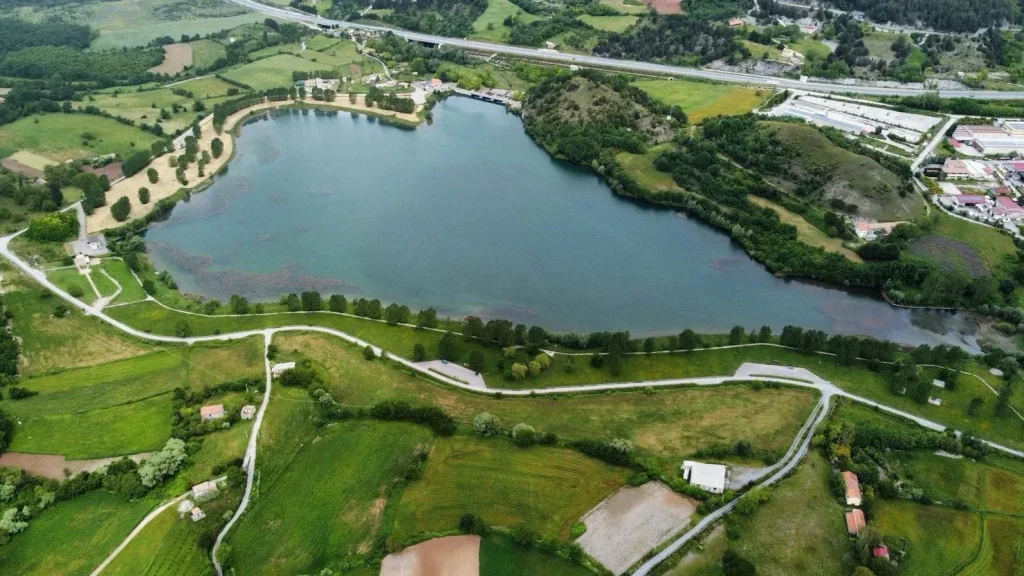
It’s a wonderful time for picnics, walks around Lago del Pantano and exploring the surrounding mountains.
Autumn also brings beautiful changes to the landscape as the leaves turn shades of yellow, orange and red.
But there’s a significant difference between September and the following months.
October and November can be extremely rainy. In my experience, October often feels like it rains nearly every day, and November isn’t much better.
That doesn’t mean the town becomes deserted. Residents continue their routines, and local businesses remain active. But the weather can make outdoor sightseeing difficult.
If you’re visiting specifically for hiking or other outdoor adventures, I’d choose September rather than late autumn.
Winter in Mormanno (December–February): Cold Weather and Local Traditions
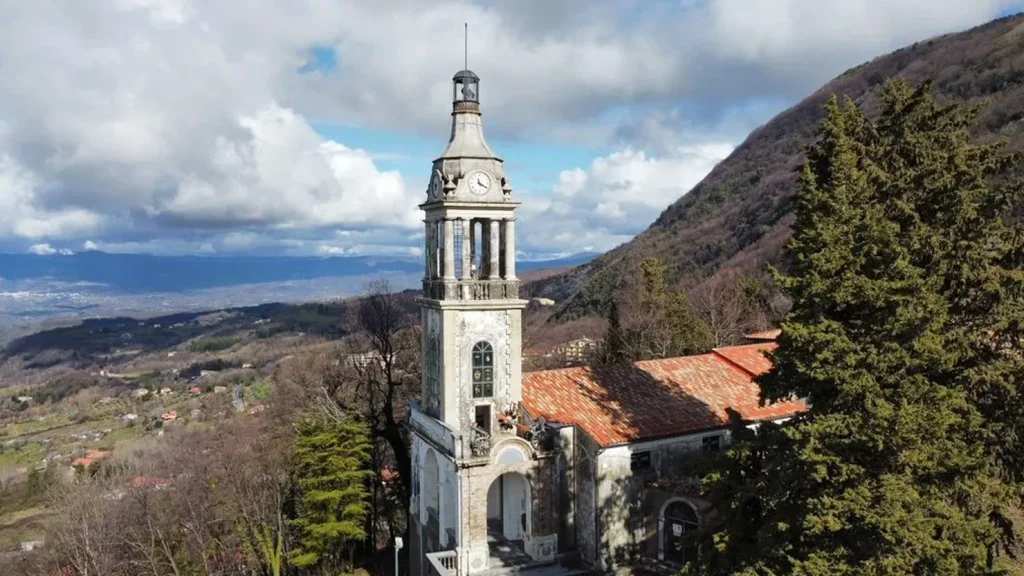
Winter in Mormanno can be surprisingly cold.
Although we’re surrounded by mountains, we rarely get significant snowfall in town. Instead, we experience chilly temperatures, occasional icy conditions, fog and strong winds.
The mountains sometimes have beautiful snow-covered peaks, which create a wonderful backdrop for the town.
December is also one of Mormanno’s most festive months.
Christmas lights decorate the streets, families gather for large meals and local celebrations bring plenty of activity to the historic center.
One of the town’s best-known traditions is Perciavutti, a festival celebrating new wine, local food and community heritage. It takes place around the Feast of the Immaculate Conception in early December.
The celebration includes traditional wine cellars known as vuttari, music, regional dishes and the Palio delle Botti, a barrel-rolling competition between local neighborhoods.
February also brings Carnival traditions, including festivities associated with Carnevale.
Although I don’t personally celebrate these holidays, they’re an important part of Mormanno’s cultural calendar.
If you visit during winter, pack a warm coat, sweaters, waterproof shoes and clothing suitable for cold, windy conditions.
Practical Tips for Visiting Mormanno Throughout the Year
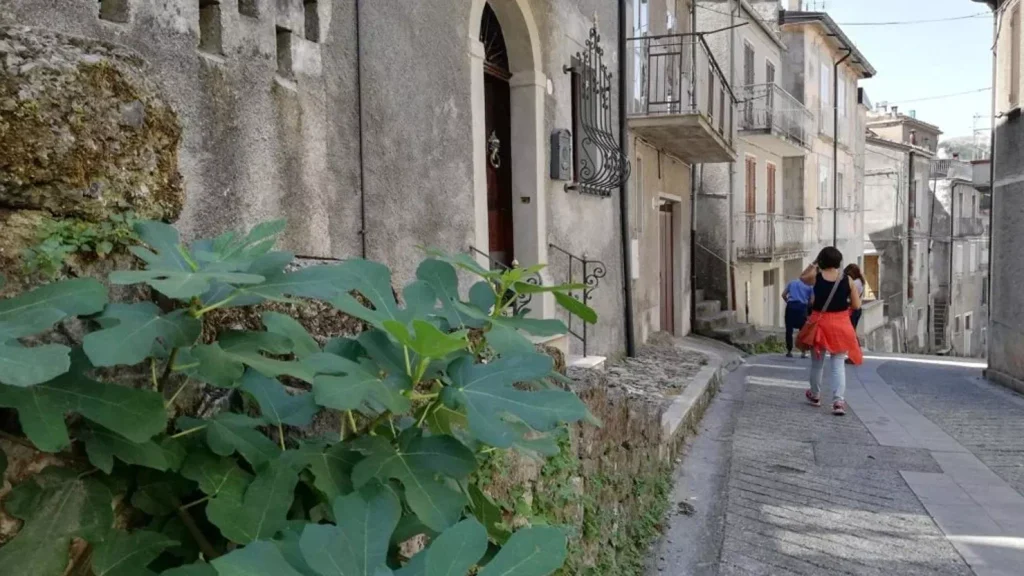
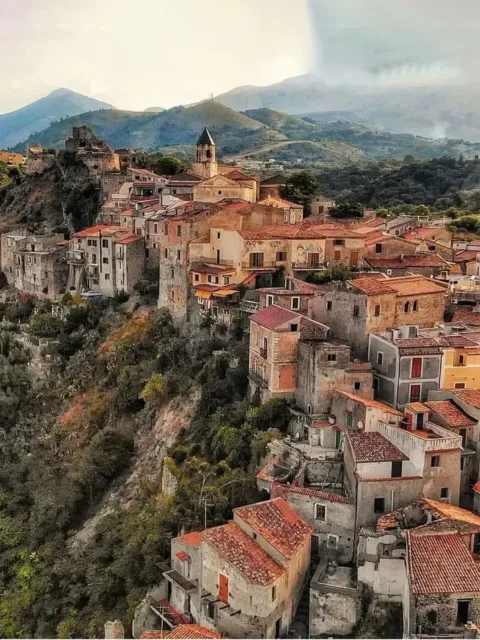
Mormanno is small enough to explore much of the center on foot, and traffic is generally light.
There’s also a local shuttle bus that costs €0.50 per ride, although I’d recommend having a car if you want to explore Pollino National Park and surrounding attractions.
Most shops open around 8 or 9 a.m., depending on the business, and many close around 8 p.m. Sunday closures are common, so plan grocery shopping and other errands accordingly.
Accommodation is generally affordable compared with Italy’s major tourist destinations. Current listings for local B&Bs and guesthouses commonly start around €60–€90 per night, although prices vary by season, property and availability.
Even when the weather isn’t ideal for outdoor activities, there are other ways to spend time in Mormanno.
Our small municipal cinema screens movies and sells snacks such as popcorn, chips and drinks. It also hosts occasional theatrical performances. There’s a local library, and gyms offer exercise facilities and fitness classes.
For more ideas, including places to visit around town, see my guide to the best things to do in Mormanno.
So, When Is the Best Time to Visit Mormanno?
For first-time visitors, I’d recommend June through August, especially if you want to experience the festivals, family activities and lively atmosphere that make summer special.
However, if your priority is enjoying nature without excessive heat or crowds, September would be my first choice.
Spring is pleasant but often chilly, while October through February can be wet, cold and less convenient for outdoor activities.
After living here for more than a decade, I’ve learned to appreciate something about every season. But if I were planning a visit for someone who had never experienced Mormanno before, I’d want them to see the town when people are outdoors, children are playing and the community is enjoying everything summer has to offer.