8 Hidden Gems in Venice: Spots Beyond the Wildly Crowded Sites
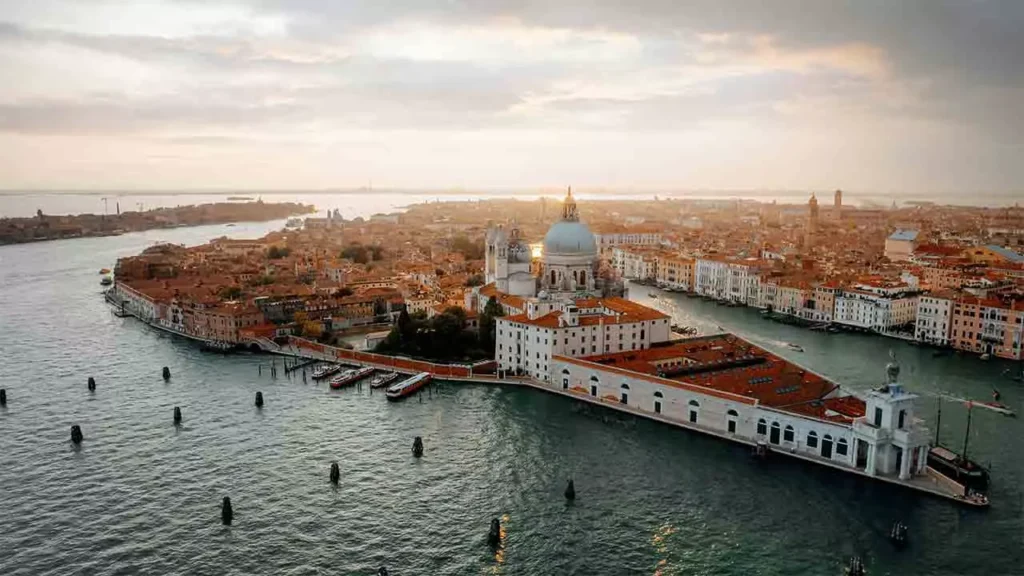
Certain locations faced with the prospect of being wiped off the map will do whatever it takes to survive. Venice, in particular, is considered threatened by rising sea levels. That being said, it doesn’t stop the 25-30 million visitors a year who come to admire its intense beauty and ancient architecture.
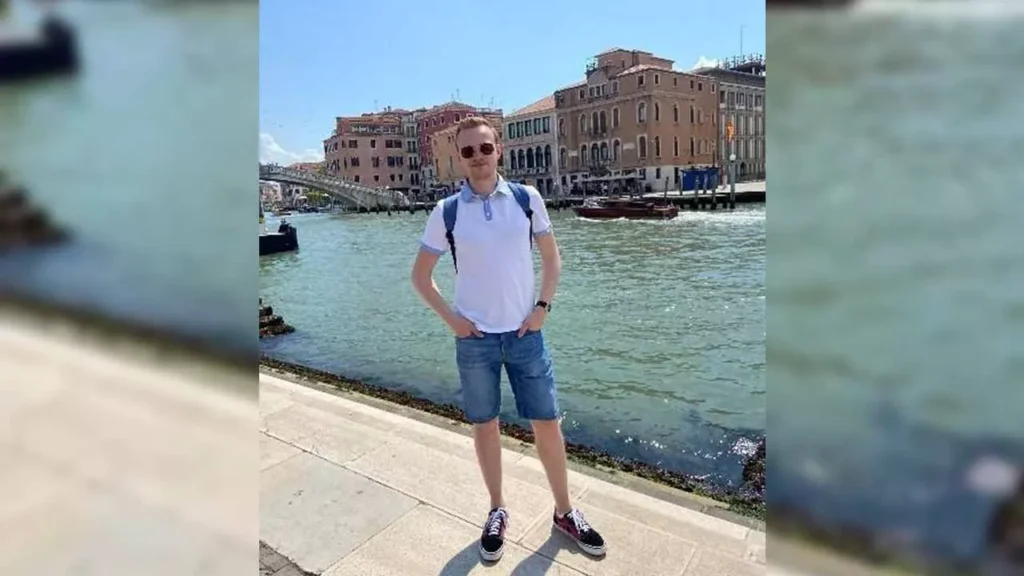
Having been one of these visitors in 2024, its charm and wanderlust swept me up. The streets, alleys and canal-sidewalks heralded discoveries which I encountered during my time here.
Even its hidden gems are things to be desired, as the following eight hidden gems will show you.
1. Dorsoduro District
A district full of culture, it adds a touch of what visitors can experience on Venice’s more enriching and traditional side. It comes alive particularly because it is considered a university area of Venice, making it more vibrant.
Dorsoduro’s selection of cosy restaurants and vintage shops opens its doors to university students. Art lovers can also spend time wandering through the available art galleries to gaze upon Venetian artworks. For those who don’t want to leave, visitors can book a stay at the Palazzo Experimental Hotel.
2. Libreria Acqua Alta
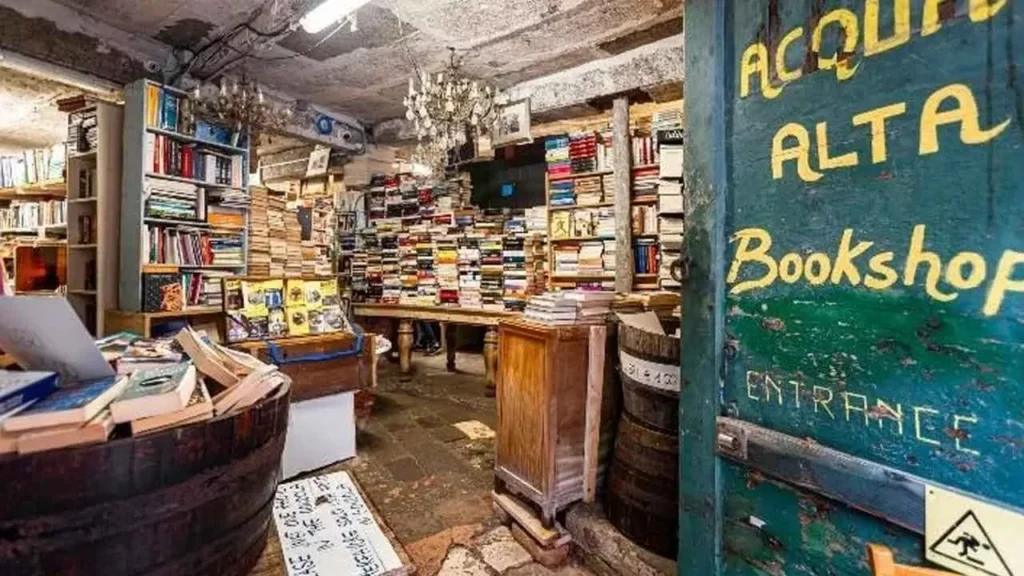
Venice is well-suited for bookworms who want to visit traditional Venetian libraries. The Libreria Acqua Alta, located in the Castello District, is a prime example of these libraries, with a unique presentation style for its books.
The term ‘Acqua Alta’ refers to the high water levels, which gradually continue to rise to this day in Venice. This does not stop the protection of the books on display at this library. Various presentation methods are used to display the books, including a gondola, which adds to the library’s lagoon feel.
It even has an emergency exit which leads to the canal, a great Venetian method of escape.
3. San Giorgio Maggiore Island
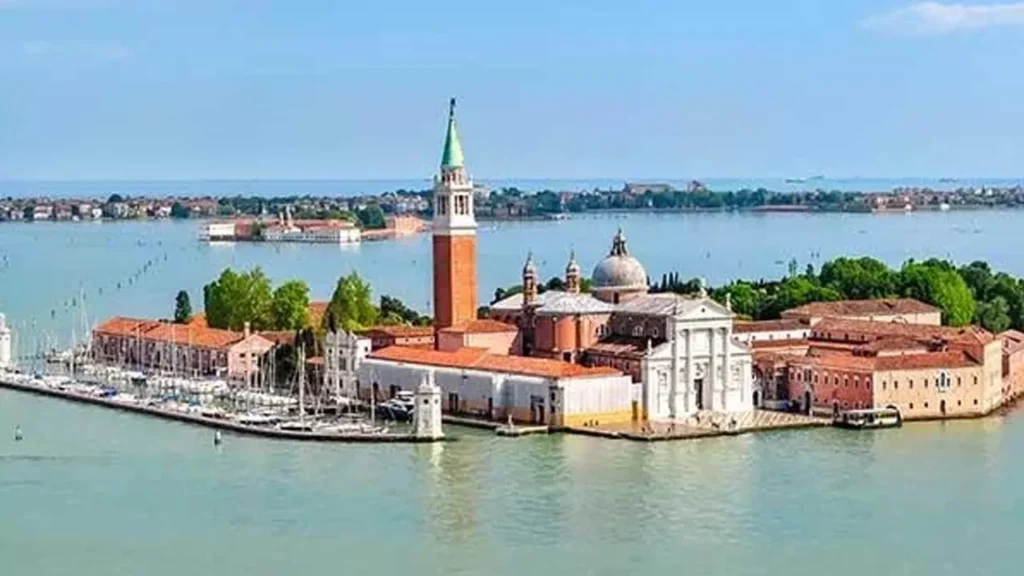
White marble holds a massive connection to Venice itself, and the San Giorgio Maggiore Island backs this claim up. Located across the Venetian Lagoon from St Mark’s Square, it boasts charming panoramic views looking back towards Venice.
History plays a significant part on this island thanks to 16th-century artist Andrea Palladio. Having designed the island’s church to include a bell tower, where keen climbers of stairs can elevate themselves to discover even better Venice views.
While short-lived, it makes for a perfect short break from the hectic districts of Venice.
4. Ponte Chiodo
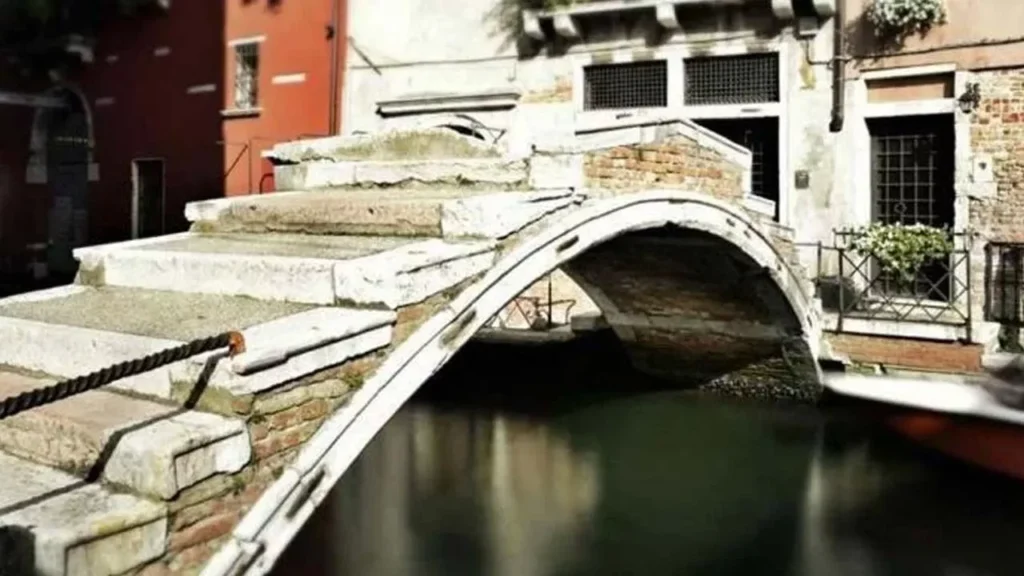
The Cannaregio district plays host to one of Venice’s final remaining bridges with no railings installed. Its incomplete look adds to the city’s rustic character, making it thrilling to walk across while also offering a glimpse into the 15th century, when most bridges were railing-less.
The exception to this is when railings were added in the 19th century during the Austrian occupation of Venice.
Its name originated with the Chiodo family and, to this day, stands as the link to the elegant 3749 Ponte Chiodo B&B. Guests at this accommodation may face the challenge of avoiding falling into the canal before enjoying everything this B&B has to offer.
5. Crypt of San Zaccaria
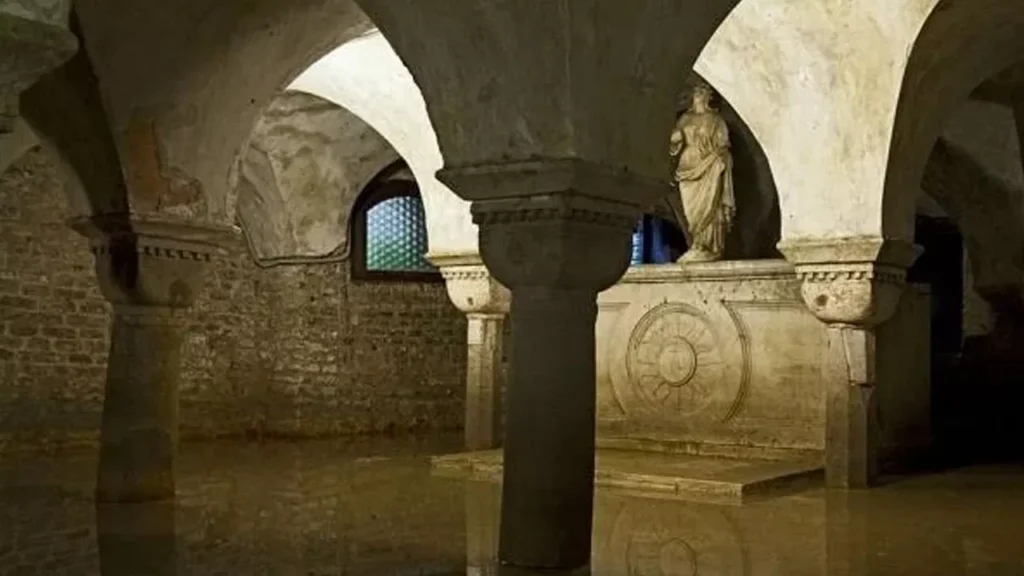
When you take the 15th-century Gothic and Renaissance artistic styles, you form the San Zaccaria Church. Beneath this church, its crypt shows first-hand the flooding that it has endured, submerging the majority of the doge bodies buried here since the 9th century.
To this day, the crypt is a hidden gem, shrouded in sacred beauty, with the flooding acting as a clear mirror pool. This gives the illusion that the pillars in this crypt are longer than they are.
What the crypt lacks in colour, it makes up for in mystery, and it’s certainly worth a visit while you’re at the San Zaccaria church.
6. Taverna al Rener
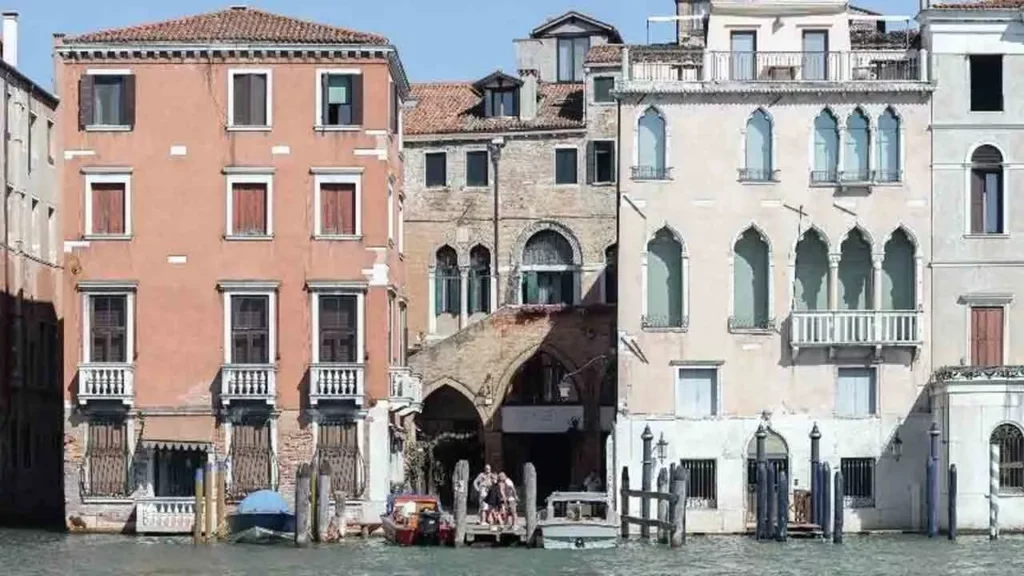
If you are in Venice’s Cannaregio district, then like me, you may want to stop after a long stroll and replenish yourself with a cocktail. A further venture down another alley towards the Grand Canal will lead you to the Taverna al Rener.
This inclusion of Venice’s food and drink scene is set on the pier overlooking the Cannaregio Canal. With refreshing cocktails and appetising ciccheti served, it has developed a reputation for its renowned happy hours.
Sure, it’s not applicable for the scene of fine dining, but for a refreshing cocktail on the pier, it is worth discovering.
7. The Venetian Ghetto
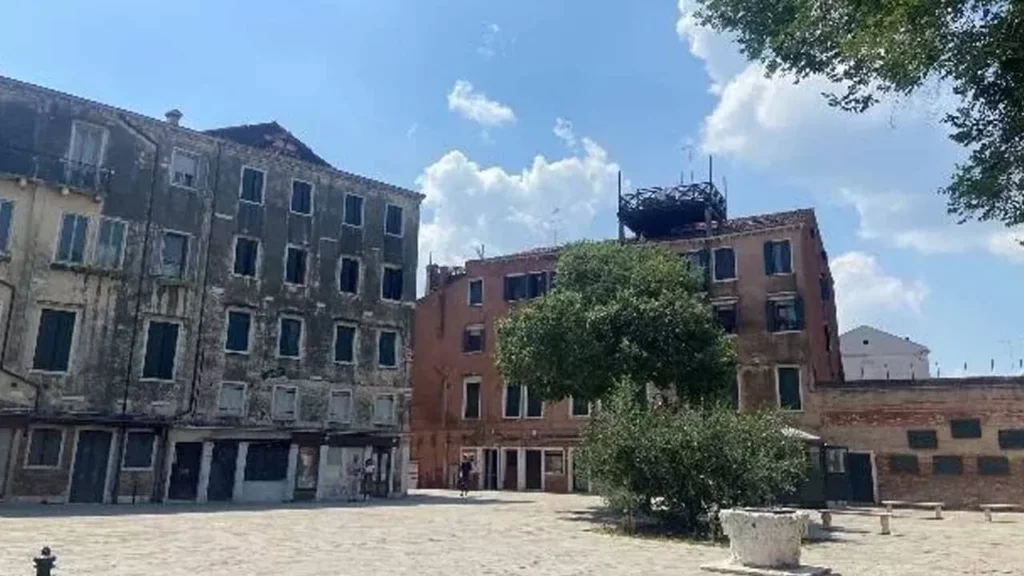
This hidden gem in Cannaregio is one I found intriguing, having discovered it during my 2024 visit. It is heralded as the first official Jewish ghetto in history, and its remnants tell its story, which links it to Napoleon.
Visitors to this ghetto can take a guided tour that delves deeper into its history. It includes Napoleon’s link to the ghetto and how he ended Jewish confinement and granted equal rights to Jews.
The streets are also lined with synagogues and traditional eateries for visitors to experience, should they wish to add to their tour.
8. San Lazzaro Delgi Armeni
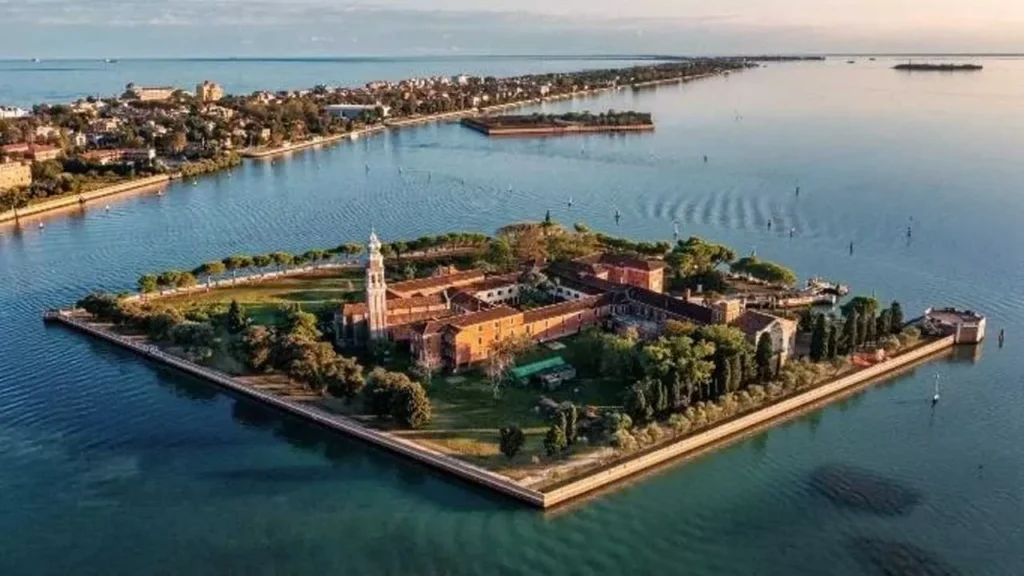
Settled on the Venice lagoon lies the San Lazzaro Delgi Armeni island. Roughly translating as ‘Saint Lazarus of the Armenians’, its monastery is home to 22 monks who strive to deliver an education on the Armenian culture.
The monastery had previously undergone a restoration project in 1717, made possible by the noted monk Mechitar. To this day, it stands as a world centre of Armenian culture and the Mekhitarist Order’s mother house.
Visitors can visit this monastery, as well as the available art gallery, museum, and library, via ferry line 20 from Venice’s main island.
Venice Frequently Asked Questions
While there is no official low season for Venice, it is still recommended that you visit Venice between April and June, and between September and November. This ensures that you avoid any heavy crowds.
The Ponte Della Libertà bridge is the main link from mainland Venice to its floating islands. You can either drive, catch a bus or take a short train ride to get yourself over the bridge to these islands.