13 Surprising Facts About the Seine River
The Seine is a 777-kilometre river flowing through northern France and the historic core of Paris. Long before the first stone of Notre-Dame was laid, the Seine River was already shaping the destiny of Paris. Today, it remains the ultimate focal point of the French capital, cutting directly through its historic core to define everything from local geography to global tourism.
Visitors often wonder about its depth, its medieval significance, and whether you can actually swim in its waters today. To truly understand Paris, you have to understand the river that created it. This breakdown explores the essential history, engineering marvels, and surprising realities behind Europe’s most romanticized waterway.
| Fact | Detail |
|---|---|
| Total Length | 777 km (483 miles) |
| Source | Source-Seine, Plateau de Langres, Burgundy |
| Mouth | English Channel, Le Havre |
| Average Depth (Paris) | 9.5 m (31 feet) |
| Drainage Basin | ~78,700 km² |
| Bridges in Paris | 37 |
| Countries | France |
| Major Cities | Paris, Rouen, Troyes |
| Swimmable Since | 2025 (specific zones) |
| Record Flood Height | 8.62 m above Pont d’Austerlitz (January 1910) with maximum flow rate of 2600 m3/s |
1. How Long is the Seine River?
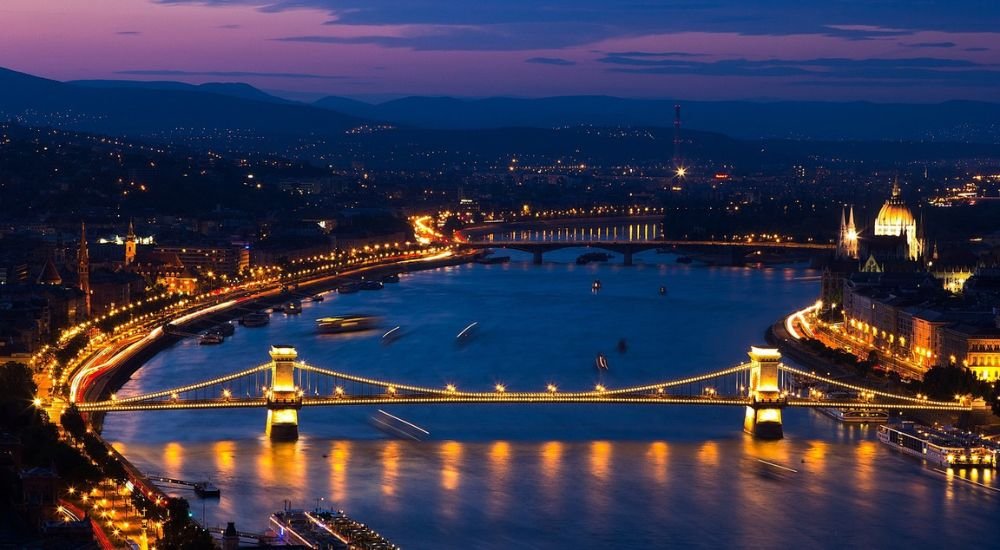
First of all, just how long is the Seine River? Measuring approximately 777 kilometers (483 miles) in length, the Seine meanders along the north rim of France before ultimately flowing into the English Channel. So, yes, it’s not merely hanging around in Paris. As a matter of fact, if you were wondering how close Paris is to the sea, the Seine has a little secret to tell you. Paris is roughly 210 km (130 miles) away from the sea.
The river winds its way through quaint towns such as Rouen and Honfleur before it makes that salty entrance into the sea. Salt along the Seine? Yep, it’s where freshwater kisses saltwater in the estuary.
2. What River Runs through Paris?
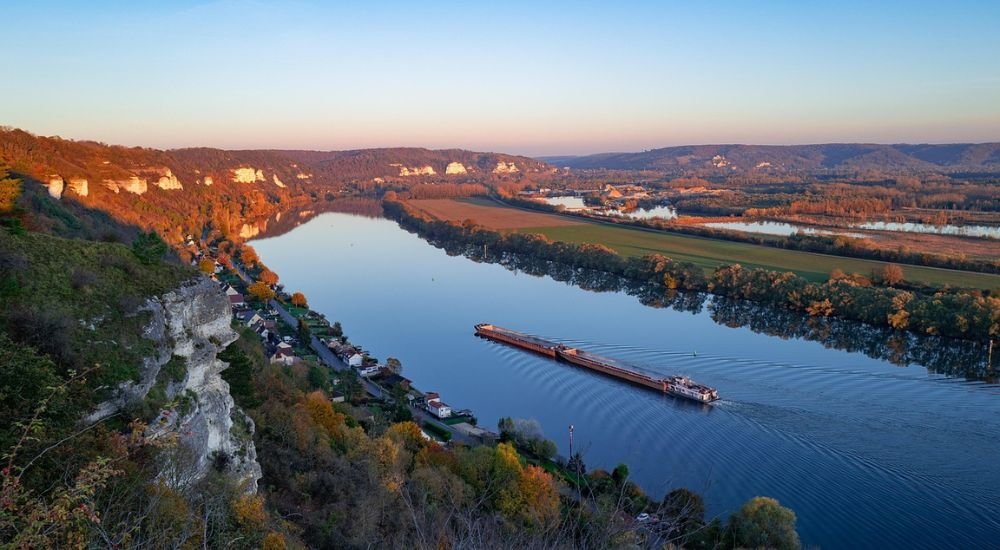
The Seine is the river that flows through Paris. It divides the city into the Left Bank (Rive Gauche) and Right Bank (Rive Droite), giving us iconic neighborhoods like the Latin Quarter, Marais, and Saint-Germain-des-Prés.
3. How Deep is the Seine River?
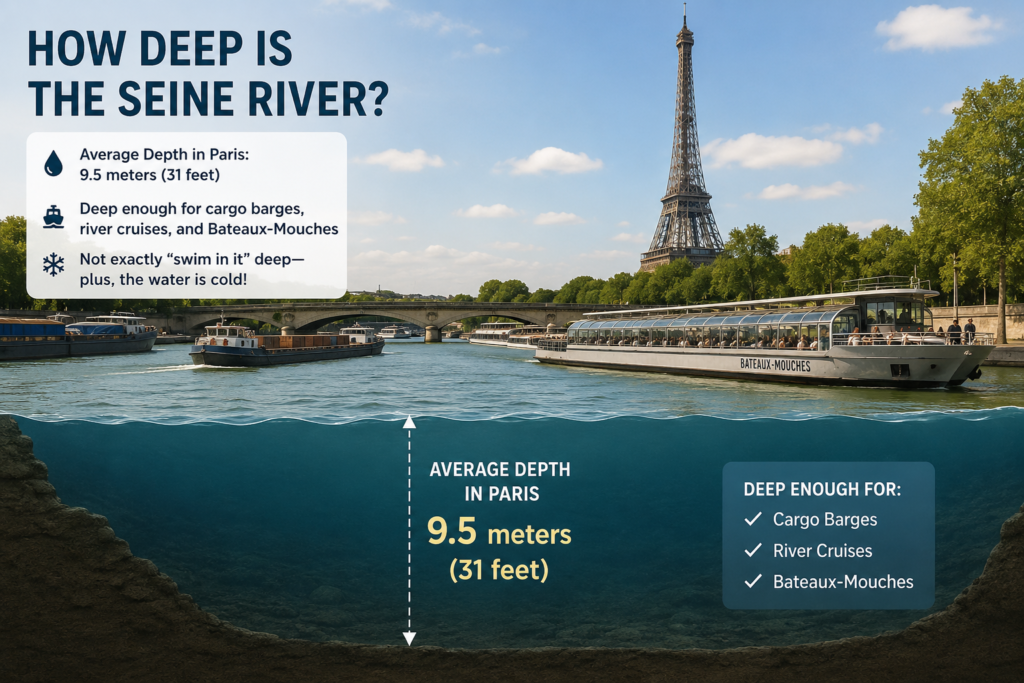
On average, the depth of the river Seine is about 9.5 meters (31 feet) deep in Paris. That’s deep enough for cargo barges, river cruises, and yes, those romantic Bateaux-Mouches you’ve seen all over Insta. But no, it’s not exactly “swim in it” deep unless you’re into risky business (or freezing temps).
4. Was the Seine River Ever Polluted?
When it comes to the Seine, the answer was once a definite yes. For decades, Seine River pollution was a big problem; think garbage, sewage, and runoff aplenty.
But times are changing. The city’s been putting in overtime cleaning it up, particularly with the 2024 Paris Olympics, where swimming competitions were set to occur in the river. The authorities are also going all out to render the Seine swim-friendly once again by clearing pollution and enhancing biodiversity.
5. How Many Bridges Cross the Seine in Paris?
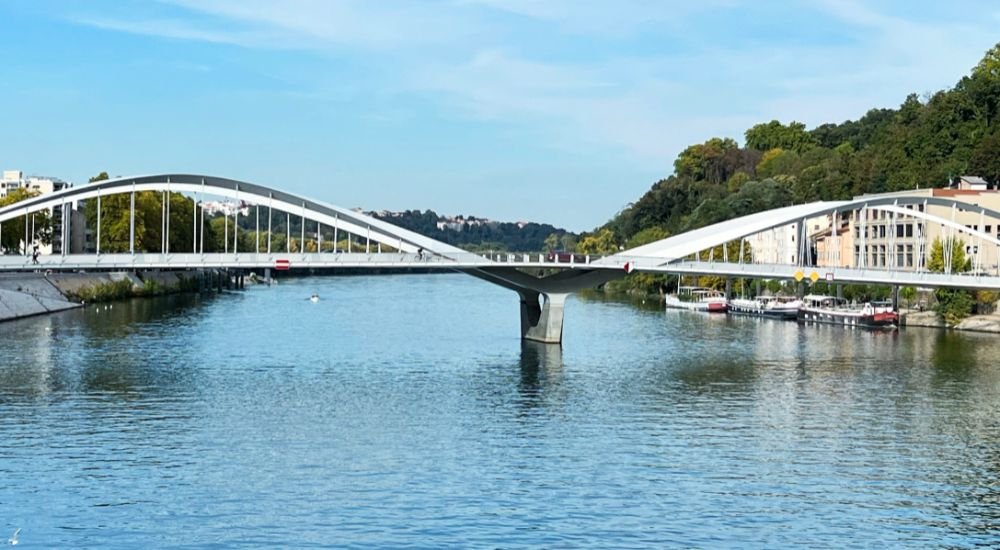
If you’re into architecture, this one’s for you. The Seine is lined with 37 bridges in Paris alone. From the ultra-historic Pont Neuf (ironically, the oldest bridge in town) to the Instagrammable Pont Alexandre III, every crossing has a story.
6. Why is the Seine River Famous?
You know a river’s a big deal when it gets its own song. La Seine, the sultry tune by Vanessa Paradis and -M-, celebrates the river’s charm and is practically a love letter to Paris itself. The river has been name-dropped in poems, novels, films, and even on TikTok.
So if you’re asking, “What is the Seine River famous for? “The answer is: art, romance, and total main character energy.
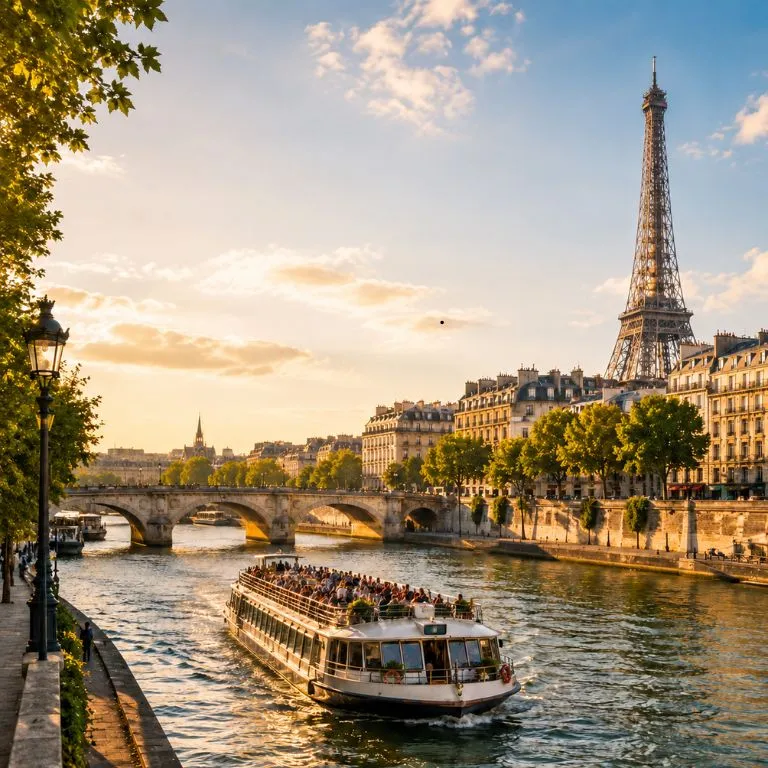
Bonus Romance Points: The Seine has long been considered one of the most romantic backdrops in all of France. From proposals on the Pont des Arts to dreamy boat rides under the Eiffel Tower, this river is peak lover core. Many luxury hotels situated along the Seine offer breathtaking views of the Eiffel Tower.
Staying in one of these hotels not only sets the mood but also places you right by the iconic river that flows through Paris. And guess what? The Seine also winds through postcard-worthy towns like Honfleur and Rouen, hidden gems for couples looking to escape the Paris crowds.
Remember that the best months to visit Paris are typically April to May and September to October, when the weather is pleasant and the tourist crowds are more manageable, allowing for more intimate experiences along the Seine. However, if you do prefer a cozy, less crowded atmosphere, then planning a winter trip to Paris might be more suited to your needs.
7. Is the Seine River a UNESCO World Heritage Site?
Since 1991, Paris’s Seine banks have been a UNESCO World Heritage Site. Why? Because the vistas, monuments, and overall atmosphere are just that legendary. Notre-Dame, the Eiffel Tower, and the Louvre all majestically sit along the Seine, offering the most iconic views–sail along it at night and you’ll really see why Paris is called the City of Light! These world-renowned landmarks and many other beautiful sites are frequently listed among the most Instagrammable places in Paris.
8. How Large is the Seine River Basin?
We’ve discussed depth, but how large is the Seine River in general? Aside from its length and current, it’s a monster in terms of influence. The Seine basin covers more than 78,000 square kilometers (30,000 square miles) and provides water for over 17 million individuals.
That’s crazy when you consider how serene and intimate the river is when you’re sitting along it with a croissant in your hand.
9. Where Does the Seine River Start and End?
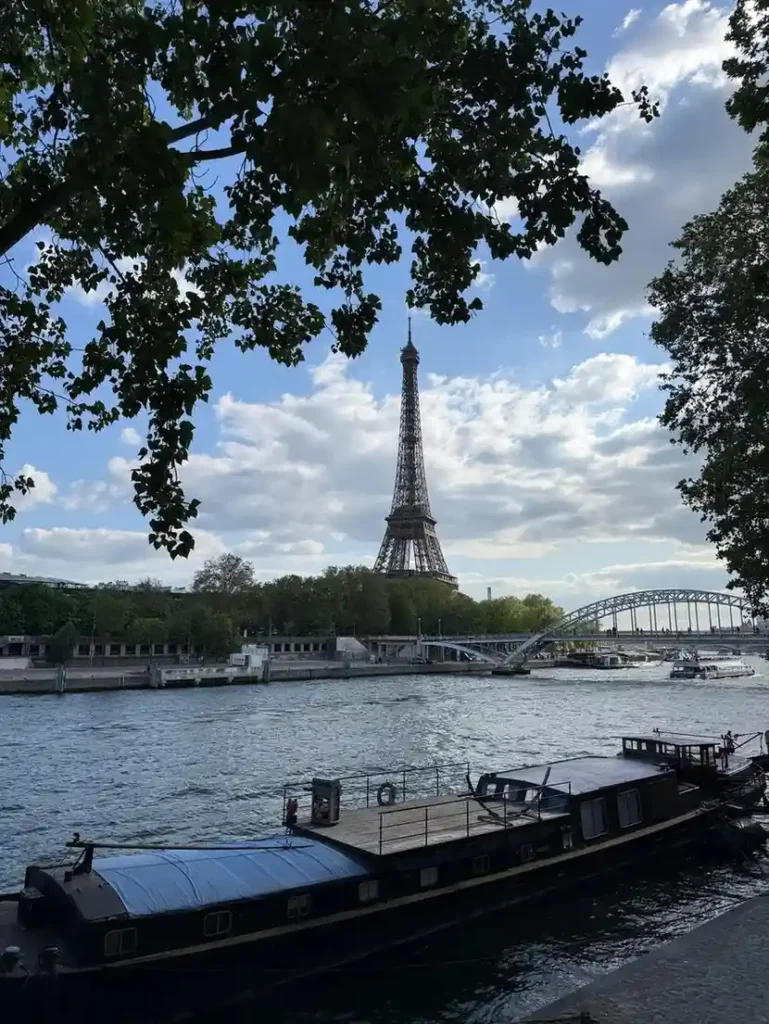
The Seine starts at Source-Seine on the Plateau de Langres in Côte-d’Or, approximately 30 km northwest of Dijon and ends at the English Channel.
10. How Bad Was the Great Flood of 1910?
In January 1910, the Seine reached a record height of 8.62m above the Pont d’Austerlitz. The flood lasted for weeks (about 2 months), flooded subway tunnels, sewers, and basements, and it caused damage which was later estimated at about 400 million francs.
People moved around the city by boat and the flood became one of the most iconic natural disasters in the city. It still remains a significant point in Paris’s history with the Seine.
11. When was swimming banned in the Seine
It is a very little known fact that people used to swim in the Seine until 1923. But this had to stop due to pollution and increase in the river activity.
For a long time it remained like this until the government planned to clean up the river and open urban swimming.
12. How Did the Seine Shape Street Numbering?
The Seine influenced the way Parisian streets were numbered. The first number starts on the side nearest to the Seine on streets that are perpendicular or oblique to the river. Street numbers are assigned in the direction of the current on parallel streets. It is one of those things that Parisians encounter each day and have no knowledge of it.
13. Did Vikings Ever Sail Up the Seine?
During the famous Siege of Paris in 885-886, Viking forces traveled up the Seine and attacked the city in one of the most important conflicts of medieval French history.
The siege lasted nearly a year and Count Eudes defended Paris. The Vikings finally failed to seize the city after Charles the Fat paid them to leave.
The river acted like a highway straight into the heart of the kingdom, which pushed rulers to strengthen bridges and river defenses around Paris.
Suddenly, the Seine became more than a trade route. It turned into a military lifeline.
Frequently Asked Questions
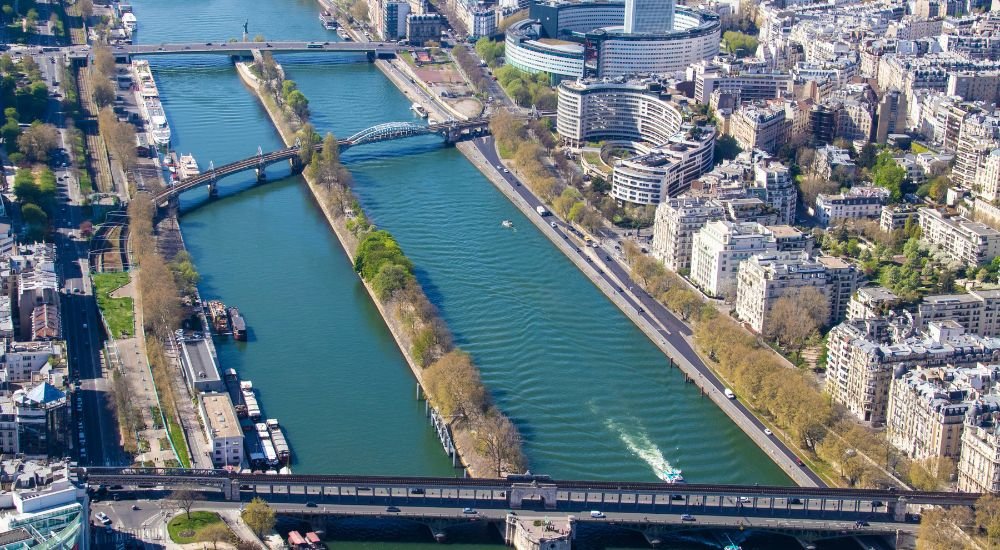
The Seine is one of the most notable rivers in France, and the river most closely associated with Paris. It is more than just a post card picture for Parisians; it has had an impact on French trade,transport, art and urban development for centuries. The river also provides water to 6 million people in the north of France and 17 million overall.
The Seine is a river that cuts through Paris, dividing it into the Right and Left Banks. The Seine is featured in many of the city’s layouts and identities because it is the historic center of the city.
La Seine is the French name for the Seine River. In the river’s ancient past, it was connected to Sequana, the goddess of the river’s springs.
Northern France is home to the Seine. It flows from the Burgundy region near Dijon, then northwest through Troyes, Paris and Rouen, and empties into the English Channel at Le Havre.
According to Britannica, it is slow flowing and extremely navigable. Large ocean ships can even go as far as Rouen.
It is around 31 feet (9.5 meters) deep on average in Paris.
The bathing in Seine was banned in 1923 and opened in 2025. It happened after a major river cleanup for specific areas in 2025.
According to Wikipedia, 37 bridges cross the Seine in Paris.